Heavy calcium, also known as calcium carbonate, is a widely used industrial material in various sectors such as construction, plastics, and paper manufacturing. The efficient and reliable transportation of this powder is crucial for maintaining production efficiency and product quality. Pneumatic conveying systems, particularly those designed for heavy calcium, offer a solution that minimizes dust, reduces material loss, and ensures a smooth flow of material from source to destination. This article provides an overview of heavy calcium pneumatic conveying, explaining its working principles and the key components involved in the process.
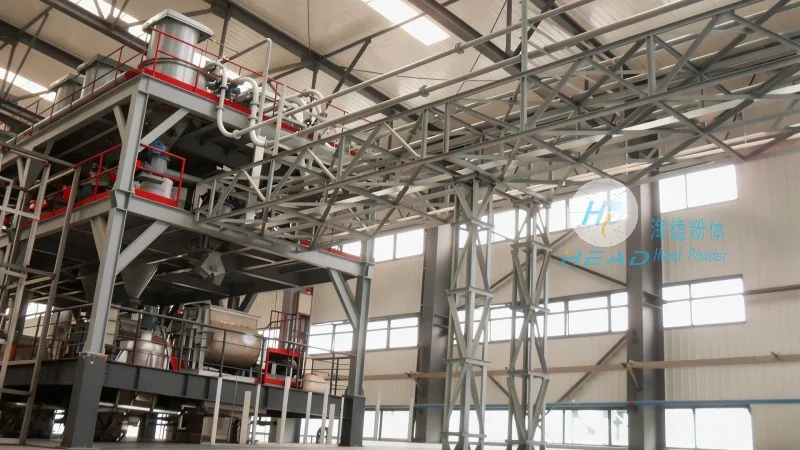
Understanding Heavy Calcium Pneumatic Conveying
Heavy calcium pneumatic conveying is a method of transporting bulk powders, such as calcium carbonate, using compressed air or other gases. Unlike traditional mechanical conveying systems that rely on belts, screws, or buckets, pneumatic systems utilize the force of air to move the material through a pipeline. This approach is especially beneficial for handling fine powders like heavy calcium, which can be prone to caking, segregation, or dust generation when handled mechanically.
The Working Principle of Pneumatic Conveying Systems
The core of a pneumatic conveying system is the ability to create a flow of air that can carry the powder particles through the system. The process typically involves several key steps:
1. Air Supply and Pressure Generation: A compressor or blower generates compressed air, which is then introduced into the conveying line. The pressure of the air is critical as it determines the velocity and capacity of the material transport. For heavy calcium, which is a relatively dense powder, higher air pressure is often required to achieve the necessary flow rates.
2. Powder Intake and Feeding: The heavy calcium powder is fed into the system at the start of the pipeline. This can be done using a hopper or a feeder that ensures a consistent flow of material into the conveying line. The feeder may be a rotary valve or a screw feeder, which controls the rate at which the powder is introduced.
3. Conveying and Transport: As the compressed air flows through the pipeline, it creates a stream that lifts and carries the powder particles. The air and powder mixture travels through the pipeline to the destination point, such as a silo, storage tank, or processing unit. The velocity of the air must be sufficient to overcome the gravitational force acting on the powder particles and maintain a stable flow.
4. Separation and Discharge: At the receiving end of the system, the air and powder mixture is separated. This is typically achieved using a cyclone separator or a filter, which allows the air to be released back into the atmosphere while capturing the powder. The separated powder is then discharged into the target container or processing equipment.
Key Components of Heavy Calcium Pneumatic Conveying Systems
Several components work together to ensure the efficient operation of a heavy calcium pneumatic conveying system. These include:
1. Compressor or Blower: Provides the necessary air pressure to move the powder. The choice of equipment depends on the system's capacity and the characteristics of the powder being conveyed.
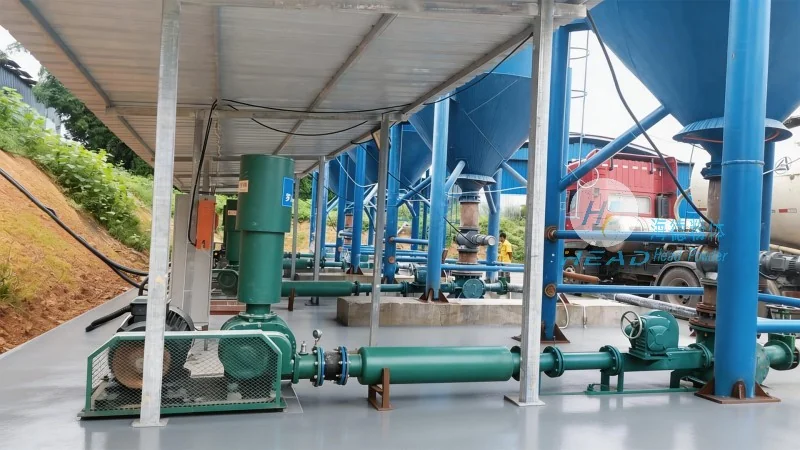
2. Feeder: Controls the flow rate of the heavy calcium powder into the system, ensuring a consistent and controlled feed.
3. Pipeline: The main conduit for transporting the powder and air. The material is typically conveyed in a dilute-phase system, where the powder is suspended in the air stream.
4. Cyclone Separator: Separates the powder from the air at the end of the pipeline, preventing dust from being released into the environment and ensuring the powder is collected efficiently.
5. Filter: In some systems, a filter may be used to capture any fine particles that could escape the cyclone separator, ensuring compliance with environmental regulations and maintaining air quality.
Benefits of Heavy Calcium Pneumatic Conveying
Implementing a pneumatic conveying system for heavy calcium offers several advantages over traditional mechanical methods:
1. Reduced Dust and Contamination: Pneumatic systems minimize dust generation and prevent cross-contamination between different powders, which is crucial for maintaining product purity.
2. Lower Material Loss: The enclosed system reduces the risk of material spillage or loss during transport, leading to cost savings and improved efficiency.
3. Improved Flow and Uniformity: The consistent flow of air ensures that the heavy calcium powder is transported uniformly, preventing segregation and maintaining product quality.
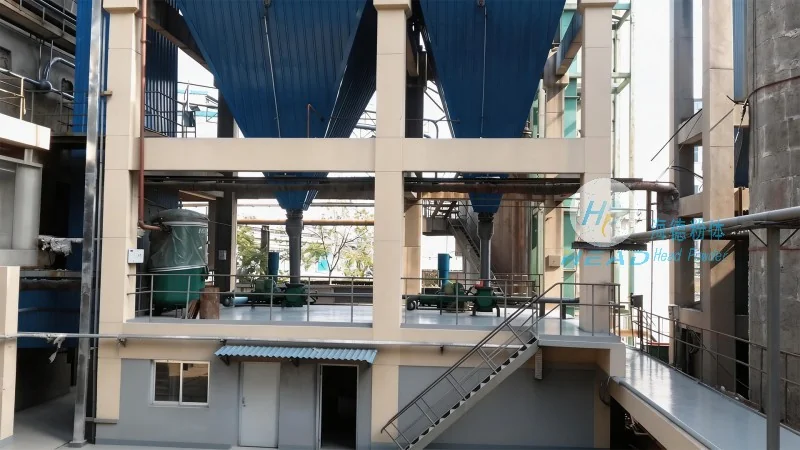
4. Space Efficiency: Pneumatic systems can be installed in compact spaces, making them suitable for facilities with limited room for large equipment.
5. Flexibility and Scalability: These systems can be easily scaled up or down to accommodate changes in production volume, and they can be adapted to different layouts and configurations.
Applications of Heavy Calcium Pneumatic Conveying
Heavy calcium pneumatic conveying is widely used in various industries where calcium carbonate is a key ingredient. Some common applications include:
1. Construction Materials: In the production of cement, concrete, and other building materials, heavy calcium is used as a filler or an additive. Pneumatic conveying ensures that the powder is transported efficiently to the mixing and processing units.
2. Plastics and Rubber: Calcium carbonate is used as a filler in plastic and rubber products to improve their strength and reduce costs. The pneumatic system allows for the precise and controlled addition of the powder during the manufacturing process.
3. Paper Manufacturing: In the production of paper, heavy calcium is used as a coating or filler to enhance the paper's brightness and opacity. The system ensures that the powder is delivered to the paper machine without causing dust or quality issues.
4. Food and Pharmaceutical Industries: While less common for heavy calcium in these sectors, pneumatic conveying can be used for other fine powders that require a clean and hygienic transport process.
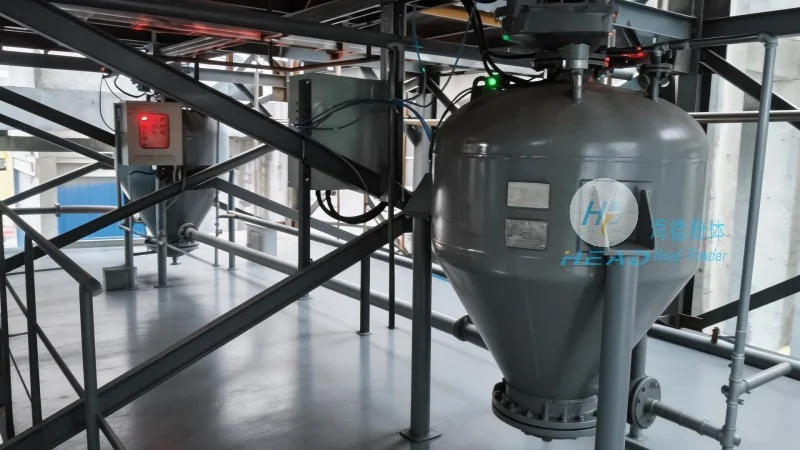
Choosing the Right Pneumatic Conveying System for Heavy Calcium
When selecting a pneumatic conveying system for heavy calcium, several factors need to be considered to ensure optimal performance and efficiency. These factors include:
1. Powder Characteristics: The density, particle size, and flowability of the heavy calcium powder will influence the system's design and the required air pressure.
2. System Capacity: The production volume and the distance over which the powder needs to be transported will determine the size and capacity of the system.
3. Environmental Regulations: Compliance with local regulations regarding dust emission and air quality may require additional components such as filters or cyclone separators.
4. Space Constraints: The available space for installation will affect the choice between horizontal and vertical conveying systems or the layout of the pipeline.
5. Cost Considerations: The initial investment and operating costs of the system, including energy consumption and maintenance requirements, should be evaluated to ensure it meets the budget and long-term operational goals.
Conclusion
Heavy calcium pneumatic conveying is a highly effective method for transporting bulk powders, offering numerous benefits over traditional mechanical systems. By understanding the working principles and key components of these systems, industries can optimize their material handling processes, improve product quality, and enhance overall operational efficiency. For companies dealing with heavy calcium, investing in a well-designed pneumatic conveying system can lead to significant improvements in productivity and cost savings.
Shandong HeadPowder Engineering Co., Ltd., a leading provider of powder handling solutions, specializes in designing and manufacturing pneumatic conveying systems tailored to the specific needs of heavy calcium and other industrial powders. With years of experience and a commitment to quality, HeadPowder offers reliable and efficient solutions that help clients achieve their production goals while maintaining the highest standards of safety and environmental compliance.




