

What is Red Bean Pneumatic Conveying? An Introduction to the Working Principle of Powder Handling Sy
For industrial applications that require efficient and reliable transport of bulk materials, pneumatic conveying systems offer a versatile solution. Among these, the concept of "red bean" pneumatic conveying, while a specific term, often refers to a type of powder handling system that utilizes air or gas to move particulate materials. This article delves into the fundamental principles behind such systems, exploring how they operate and the benefits they provide in material handling processes.
Introduction to Pneumatic Conveying Systems
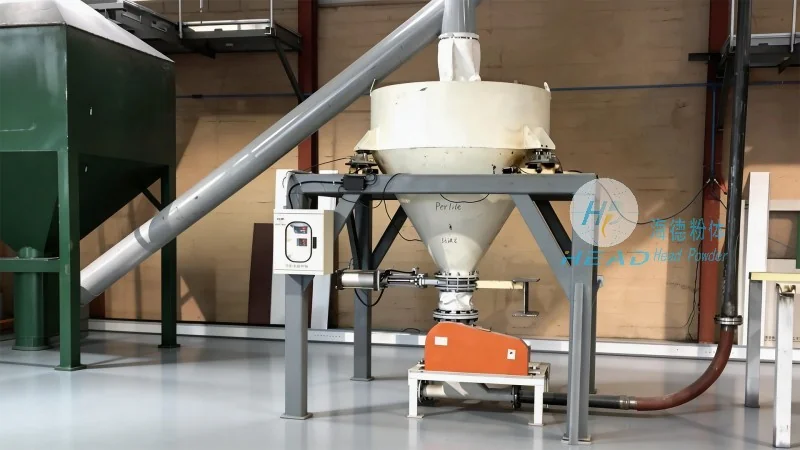
Pneumatic conveying, also known as air conveying, is a method of transporting bulk materials through a pipeline using a moving air stream. The system typically consists of a hopper for material storage, a conveyor line, and a receiver for the discharged material. The core of the system is the air mover, which can be a positive displacement blower or a rotary lobe blower, responsible for generating the necessary pressure or vacuum to move the material.
The Working Principle of Red Bean Pneumatic Conveying
In a red bean pneumatic conveying system, the process begins with the material being fed from a hopper into the conveyor line. The air mover then creates a flow of air, which picks up the particulate material and transports it through the pipeline to the receiving hopper. The velocity of the air and the design of the pipeline are critical factors in ensuring efficient transport. The system can operate in either pressure or vacuum mode, depending on the application requirements. Pressure systems use compressed air to push the material forward, while vacuum systems use a vacuum to pull the material through the line.
Key Components and Their Functions
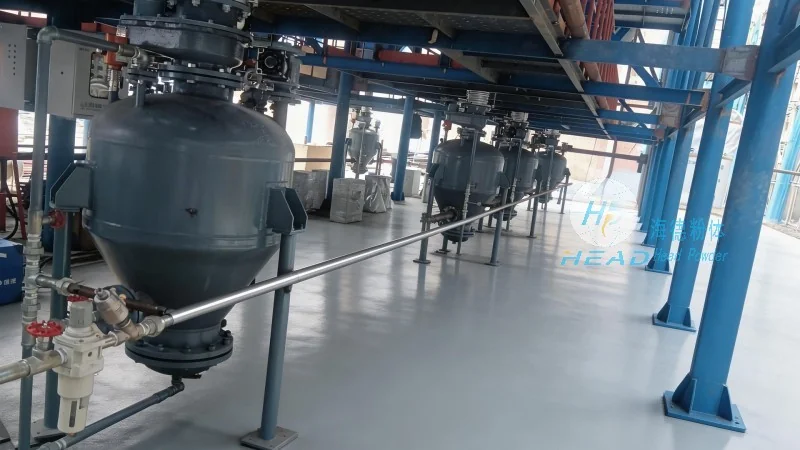
Several key components work together to ensure the smooth operation of a pneumatic conveying system. The hopper, where the material is initially stored, is designed to feed the material into the conveyor line consistently. The conveyor line itself is made of durable materials, such as stainless steel or plastic, to withstand the abrasive nature of the powder and the pressure of the air. The air mover, as mentioned earlier, is the heart of the system, providing the necessary force to move the material. The receiver, at the end of the line, collects the material and can be equipped with a discharge valve for controlled release. Additionally, filters and cyclones are often used to separate the air from the material, ensuring that the system operates cleanly and efficiently.
Benefits of Red Bean Pneumatic Conveying Systems
Red bean pneumatic conveying systems offer several advantages over traditional mechanical conveying methods. One of the primary benefits is the ability to transport materials in a closed system, which helps to contain dust and prevent contamination. This is particularly important for materials that are hazardous or have strict purity requirements. Another advantage is the flexibility of the system, as it can be easily adapted to different material types and transport distances. The system also reduces the need for manual handling, improving safety and efficiency in the workplace. Furthermore, pneumatic conveying systems can handle a wide range of materials, from fine powders to larger particulates, making them suitable for various industrial applications.
Applications in Industrial Settings
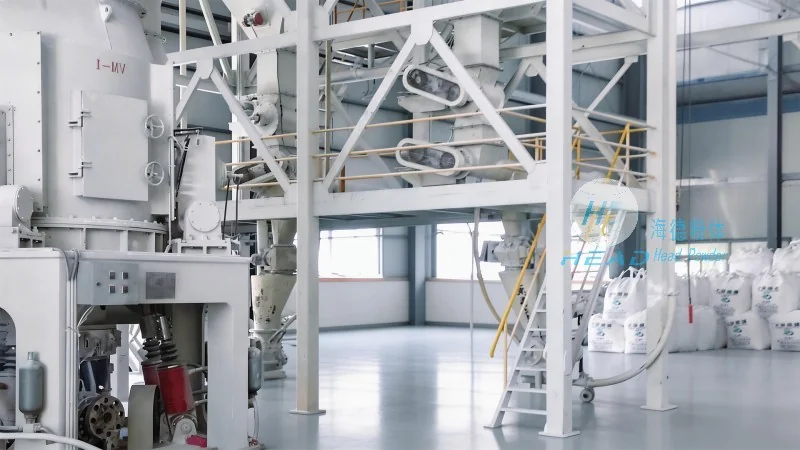
The versatility of red bean pneumatic conveying systems makes them suitable for a wide range of industrial applications. In the food and pharmaceutical industries, these systems are used to transport ingredients and finished products, ensuring that the materials remain clean and free from contamination. In the chemical industry, they are used to handle various powders and granules, including those that are corrosive or reactive. The mining and construction industries also benefit from these systems, as they can efficiently transport raw materials and waste products. Additionally, in the agricultural sector, pneumatic conveying systems are used to transport grains and other agricultural products, improving the efficiency of the supply chain.
Conclusion and Company Overview
Red bean pneumatic conveying systems represent an efficient and reliable method for transporting bulk materials in various industrial applications. By utilizing air or gas to move particulate materials, these systems offer a closed, dust-free environment that is ideal for handling sensitive or hazardous materials. The key to their success lies in the proper design and operation of the system, which involves careful consideration of the material properties, transport distance, and system requirements. As a leading provider in the field, Shandong HeadPowder Engineering Co., Ltd. specializes in designing and manufacturing high-quality pneumatic conveying systems tailored to the specific needs of their clients. With a focus on innovation and customer satisfaction, the company has established itself as a trusted partner in the material handling industry, serving clients across China and beyond.