

Components of Pneumatic Conveying for Lithium-Ion Battery Cathodes
For manufacturers in the lithium-ion battery industry, the efficiency and reliability of material handling systems are critical to production quality and operational costs. Pneumatic conveying systems, particularly for handling lithium-ion battery cathode materials, have become a cornerstone technology in modern battery production lines. Understanding the components that make up these systems is essential for optimizing performance and ensuring consistent material flow. This article explores the key components of pneumatic conveying systems designed for lithium-ion battery cathodes, highlighting the role of each element in the overall process.
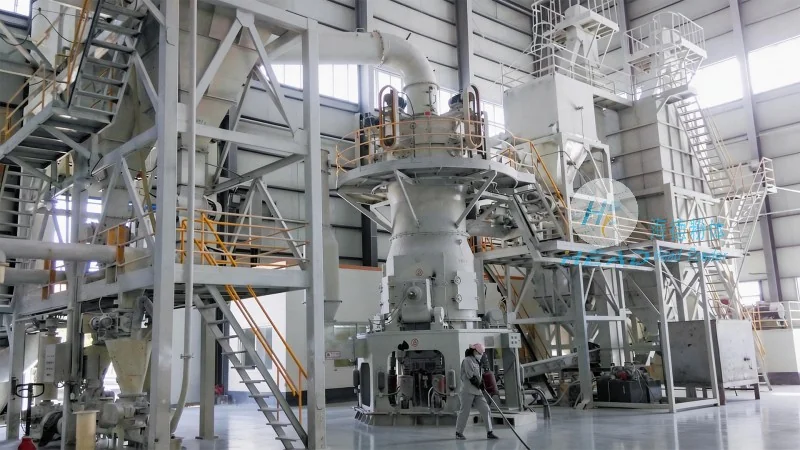
Core Components of Pneumatic Conveying Systems for Lithium-Ion Battery Cathodes
The pneumatic conveying system for lithium-ion battery cathodes typically consists of several interconnected components, each playing a vital role in the material transport process. These components work together to ensure that cathode powders are transferred safely, efficiently, and with minimal degradation. The primary components include the feeding device, conveying pipeline, air source system, and separation and collection equipment. Each of these components is designed to meet the specific demands of handling sensitive cathode materials, such as nickel, cobalt, manganese, or lithium compounds.
1. Feeding Device: Ensuring Controlled Material Introduction
The feeding device is the initial component in the pneumatic conveying system, responsible for introducing the cathode material into the system at a controlled rate. For lithium-ion battery cathodes, which are often fine powders with high reactivity, the feeding device must be designed to prevent material bridging, agglomeration, or excessive pressure build-up. Common feeding devices include rotary valves, star feeders, and screw feeders, each tailored to the specific characteristics of the cathode powder. The feeding device ensures a steady and consistent flow of material into the conveying pipeline, which is crucial for maintaining system efficiency and preventing blockages. In systems used by Shandong HeadPowder Engineering Co., Ltd., advanced feeding mechanisms are employed to handle the unique properties of cathode powders, such as their fine particle size and potential for static charge accumulation.
2. Conveying Pipeline: The Path for Material Transport
The conveying pipeline serves as the main channel through which the cathode material is transported from the feeding point to the collection point. The design of the pipeline is critical, as it must withstand the pressure and flow conditions while minimizing material loss and degradation. Pneumatic conveying systems for cathodes typically use stainless steel or other corrosion-resistant materials to prevent contamination and ensure durability. The pipeline may include bends, elbows, and straight sections, with each component carefully engineered to maintain the material's integrity. The pipeline's diameter and length are determined based on the material's flow properties, air velocity, and the required conveying distance. Properly designed pipelines help maintain the material's particle size distribution and prevent segregation, which could affect the final battery performance.
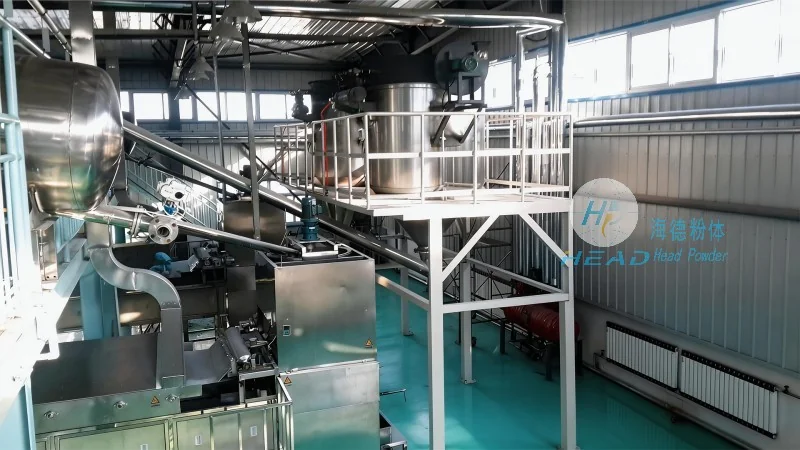
3. Air Source System: Generating the Conveying Force
The air source system provides the necessary pressure and airflow to move the cathode material through the pipeline. This system typically includes a blower or compressor, air filters, and pressure regulators. The blower generates the air pressure required to overcome the resistance in the pipeline and lift the material particles. The air source must be capable of delivering consistent airflow and pressure, as fluctuations can lead to uneven material transport or system inefficiencies. For sensitive cathode materials, the air used in the system is often filtered to remove contaminants that could affect the material's purity or cause equipment wear. The air source system is a critical component that directly impacts the overall performance and reliability of the pneumatic conveying process.
4. Separation and Collection Equipment: Ensuring Material Integrity
The final stage of the pneumatic conveying system involves separating the conveyed cathode material from the air stream and collecting it in a designated container. This component is essential to prevent material loss and ensure that the cathode powder is handled in a controlled environment. Common separation devices include cyclone separators, bag filters, and dust collectors. Cyclone separators use centrifugal force to separate larger particles from the air, while bag filters or dust collectors capture fine particles and prevent them from being released into the environment. The collection equipment must be designed to handle the specific characteristics of the cathode material, such as its fine particle size and potential for static charge, to avoid material buildup or re-entrainment. Proper separation and collection are vital for maintaining the material's quality and ensuring compliance with environmental regulations.
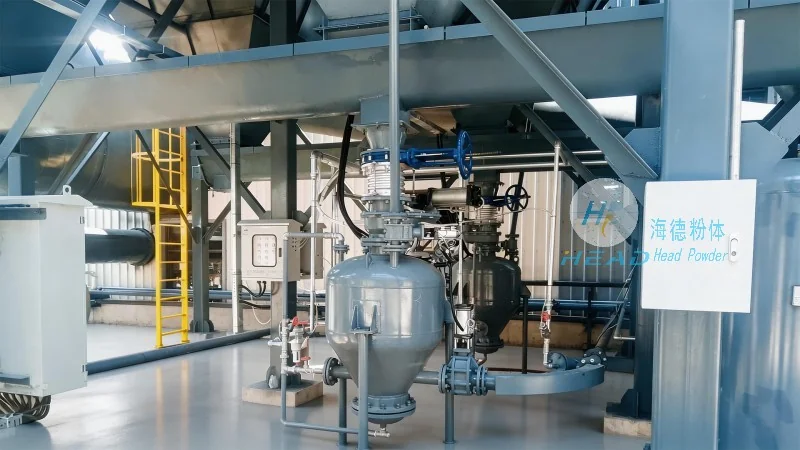
5. Control and Monitoring Systems: Optimizing System Performance
Modern pneumatic conveying systems for lithium-ion battery cathodes are equipped with advanced control and monitoring systems to optimize performance and ensure operational safety. These systems include sensors for pressure, flow, and material level, as well as control panels that allow operators to adjust system parameters in real-time. The control system helps maintain consistent material flow rates, monitor for system faults or blockages, and adjust air pressure or flow as needed. For manufacturers like Shandong HeadPowder Engineering Co., Ltd., these monitoring systems are integrated into the overall production line to provide data-driven insights and improve process efficiency. The ability to monitor and control the conveying process in real-time helps prevent downtime, reduce material waste, and ensure consistent product quality.
Integration of Components: Ensuring System Efficiency
The effectiveness of a pneumatic conveying system for lithium-ion battery cathodes depends on the seamless integration of all its components. Each part must be designed and installed to work in harmony with the others, ensuring that the material is transported efficiently and with minimal degradation. The feeding device must match the conveying pipeline's capacity, the air source system must provide sufficient pressure, and the separation equipment must be capable of handling the material's characteristics. Proper integration also involves considering factors such as the material's flow properties, particle size distribution, and potential for static charge, as these factors can significantly impact system performance. Shandong HeadPowder Engineering Co., Ltd. specializes in designing and manufacturing comprehensive pneumatic conveying systems tailored to the specific needs of lithium-ion battery manufacturers, ensuring that all components are optimized for the unique challenges of handling cathode materials.
Conclusion: The Importance of System Components in Lithium-Ion Battery Production
In conclusion, the components of a pneumatic conveying system for lithium-ion battery cathodes are critical to the success of battery production. Each component, from the feeding device to the separation equipment, plays a vital role in ensuring efficient material transport, maintaining material integrity, and optimizing production efficiency. The design and selection of these components must be tailored to the specific characteristics of the cathode material and the production requirements of the manufacturer. For companies like Shandong HeadPowder Engineering Co., Ltd., which operates in China, providing high-quality, customized pneumatic conveying solutions is essential to meet the growing demands of the lithium-ion battery industry. By understanding and optimizing the components of these systems, manufacturers can improve their production processes, reduce costs, and enhance the quality of their lithium-ion batteries.