

Components of Air-Driven Dry Desulfurization Ash Conveying
Understanding the components of air-driven dry desulfurization ash conveying is crucial for optimizing the performance and efficiency of flue gas treatment systems in industrial applications. This system is a critical part of the dry flue gas desulfurization (FGD) process, which is widely used to reduce sulfur dioxide emissions from power plants and other industrial facilities. The air-driven conveying system efficiently transports the desulfurization ash from the reaction tower to storage or disposal sites, ensuring a continuous and reliable operation of the FGD system.
Key Components of the Air-Driven Conveying System
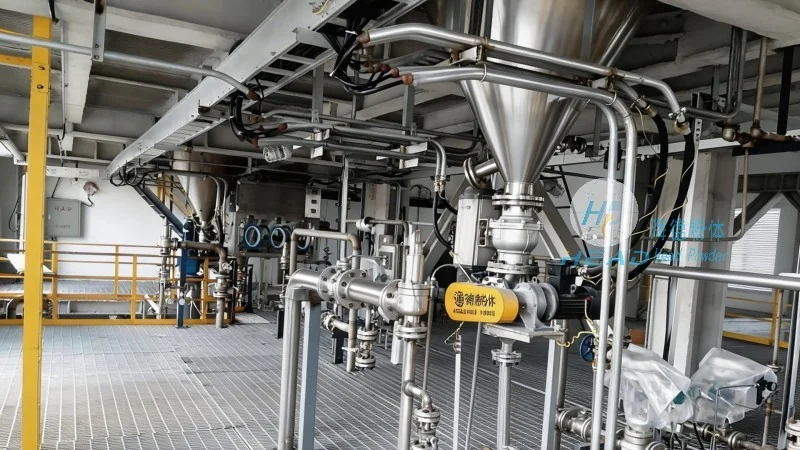
The air-driven dry desulfurization ash conveying system typically consists of several key components that work in tandem to achieve effective ash transport. These components include the ash hopper, air lock, conveying pipeline, and air compressor. Each component plays a vital role in the overall operation of the system.
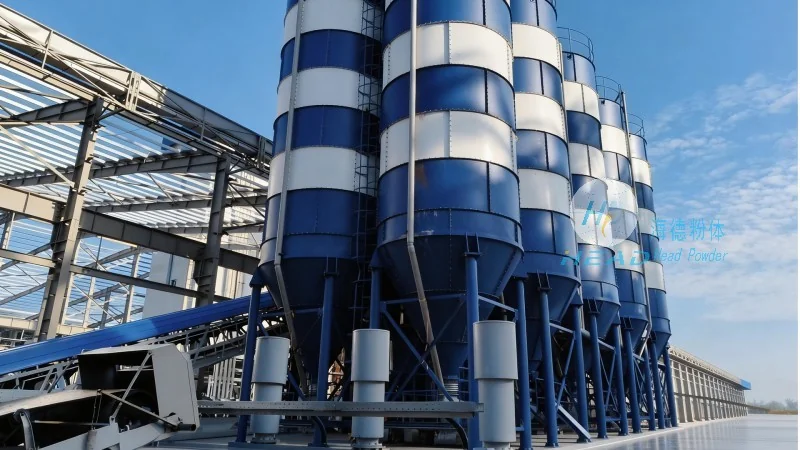
The ash hopper is the initial collection point where the desulfurization ash is stored after it has been removed from the reaction tower. It is designed to hold a sufficient quantity of ash to ensure continuous operation of the conveying system. The ash hopper is equipped with a feeding mechanism, such as a rotary valve or a screw conveyor, which controls the flow of ash into the air lock.
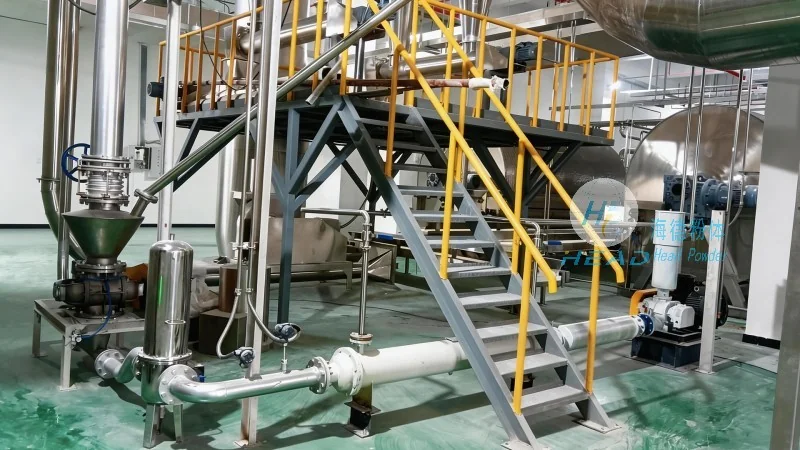
The air lock, also known as a rotary air lock or star valve, is a critical component that regulates the flow of ash from the hopper into the conveying pipeline. It prevents the backflow of air and ensures that the ash is discharged in a controlled manner. The air lock is typically made of durable materials, such as stainless steel, to withstand the abrasive nature of the desulfurization ash.
The conveying pipeline is the main component that transports the ash from the air lock to the storage or disposal site. It is usually made of high-density polyethylene (HDPE) or steel, depending on the specific application and the distance of the conveying. The pipeline is designed to handle the abrasive nature of the ash and to maintain a consistent flow rate.
The air compressor is the power source that provides the necessary air pressure to move the ash through the conveying pipeline. It is typically a positive displacement compressor, such as a rotary screw or a reciprocating compressor, which can deliver the required air volume and pressure. The air compressor is equipped with a filter and a moisture separator to ensure that the air is clean and dry, preventing any contamination of the ash.
Role of Each Component in the Conveying Process
Each component of the air-driven dry desulfurization ash conveying system plays a specific role in the overall conveying process. The ash hopper ensures a steady supply of ash, while the air lock controls the flow rate and prevents backflow. The conveying pipeline transports the ash to the desired location, and the air compressor provides the necessary air pressure to move the ash through the pipeline.
The ash hopper is designed to handle the large volume of ash produced by the desulfurization process. It is typically a large, rectangular or cylindrical container with a sloped bottom to facilitate the flow of ash. The hopper is equipped with a feeding mechanism that can be adjusted to control the flow rate of ash into the air lock. This ensures that the conveying system operates at an optimal rate, preventing any overloading or underloading of the system.
The air lock is a critical component that prevents the backflow of air and ensures that the ash is discharged in a controlled manner. It is typically a rotating device with several chambers, which allows the ash to be discharged in a controlled manner. The air lock is designed to handle the abrasive nature of the desulfurization ash, which can cause wear and tear on the components. The use of durable materials, such as stainless steel, helps to extend the life of the air lock and reduce maintenance costs.
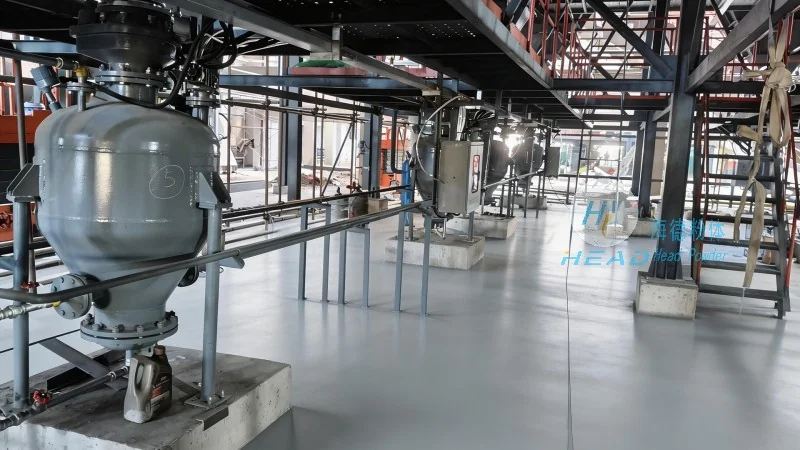
The conveying pipeline is the main component that transports the ash from the air lock to the storage or disposal site. It is typically made of high-density polyethylene (HDPE) or steel, depending on the specific application and the distance of the conveying. The pipeline is designed to handle the abrasive nature of the ash and to maintain a consistent flow rate. The use of smooth, non-abrasive materials helps to reduce the wear and tear on the pipeline and extend its lifespan.
The air compressor is the power source that provides the necessary air pressure to move the ash through the conveying pipeline. It is typically a positive displacement compressor, such as a rotary screw or a reciprocating compressor, which can deliver the required air volume and pressure. The air compressor is equipped with a filter and a moisture separator to ensure that the air is clean and dry, preventing any contamination of the ash. The use of high-quality air compressors helps to ensure that the conveying system operates efficiently and reliably.
Benefits of Air-Driven Dry Desulfurization Ash Conveying
The air-driven dry desulfurization ash conveying system offers several benefits over traditional methods of ash transport. One of the main benefits is its ability to transport ash over long distances without the need for intermediate storage or handling. This reduces the need for additional equipment and personnel, resulting in lower operational costs. Another benefit is its ability to handle abrasive and high-volume ash, which is common in the desulfurization process.