Understanding the mechanics of polyethylene pneumatic conveying is essential for industries that rely on efficient powder handling. This article provides a detailed overview of how polyethylene pneumatic conveying systems operate, shedding light on the core principles that enable the transport of powders and granules through an air-based system.
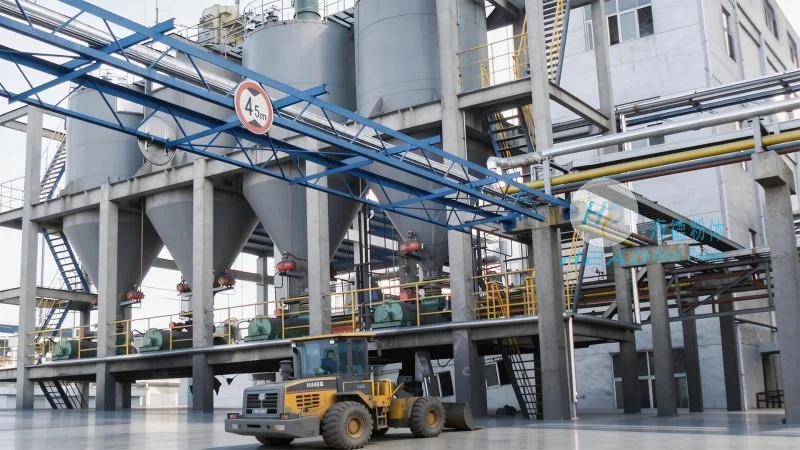
Introduction to Polyethylene Pneumatic Conveying
Polyethylene pneumatic conveying, often referred to as powder handling systems, is a method used to transport bulk materials such as powders, granules, and fine particles from one location to another using a combination of air and pressure. The process involves creating a flow of air within a pipeline, which then carries the material through the system. This technology is widely used across various industries, including pharmaceuticals, food processing, and chemical manufacturing, due to its ability to handle delicate materials without causing contamination or degradation.
The Working Principle of Polyethylene Pneumatic Conveying Systems
The fundamental principle behind polyethylene pneumatic conveying is the creation of a vacuum or pressure differential that propels the material through the conveying line. There are two primary types of systems: pressure and vacuum. In pressure systems, air is forced into the pipeline at high pressure, pushing the material forward. Conversely, vacuum systems create a negative pressure at the receiving end, drawing the material into the pipeline. Both methods utilize the same core components, including a hopper for material storage, a conveying line, and a control system to regulate the flow.
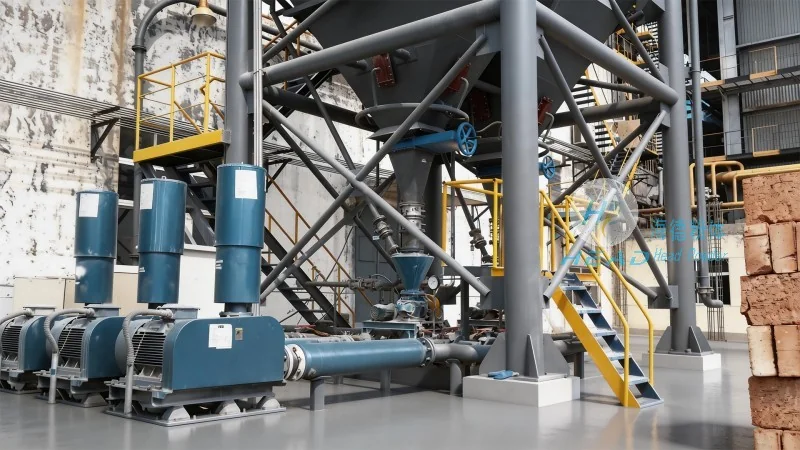
Key Components of a Polyethylene Pneumatic Conveying System
At the heart of any polyethylene pneumatic conveying system are several critical components that work in tandem to ensure efficient operation. The first component is the material hopper, which stores the bulk material and provides a controlled feed to the system. The hopper is typically equipped with a feeder, such as a rotary valve or a screw feeder, that regulates the flow of material into the conveying line. The conveying line itself is made from polyethylene, a durable and flexible material that is resistant to corrosion and abrasion, making it ideal for handling a wide range of powders.
Next, the system includes a blower or compressor, which generates the necessary air pressure or vacuum. The blower is responsible for moving the air through the pipeline, while the compressor can be used in pressure systems to increase the air pressure. The control system, often a programmable logic controller (PLC), monitors and adjusts the flow of material and air to maintain optimal performance. Additionally, the system may include filters and cyclones to separate the material from the air at the receiving end, ensuring that the material is deposited in the desired location without any loss or contamination.
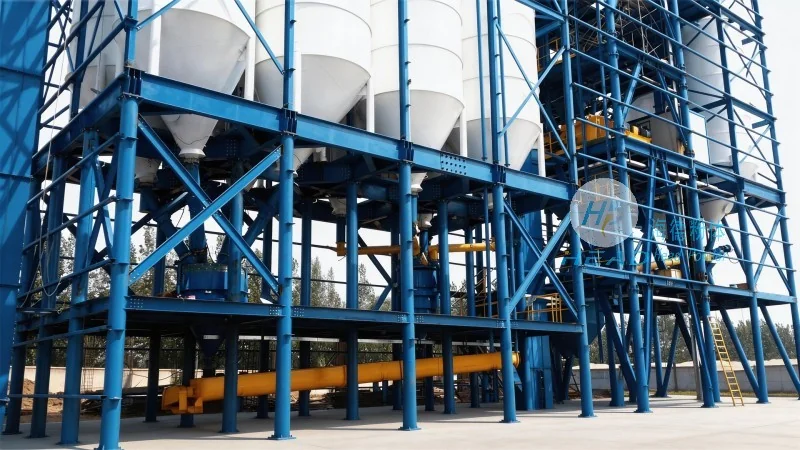
Advantages of Polyethylene Pneumatic Conveying
Polyethylene pneumatic conveying offers several advantages over traditional methods of material handling, such as belt conveyors or bucket elevators. One of the primary benefits is the ability to transport materials over long distances without the need for multiple transfer points. This reduces the risk of material degradation and contamination, as the material remains in a closed system throughout the process. Additionally, the system is highly flexible, allowing for easy reconfiguration to accommodate changes in production needs or facility layout. The use of polyethylene materials also provides excellent resistance to chemical and environmental factors, ensuring long-term durability and low maintenance costs.
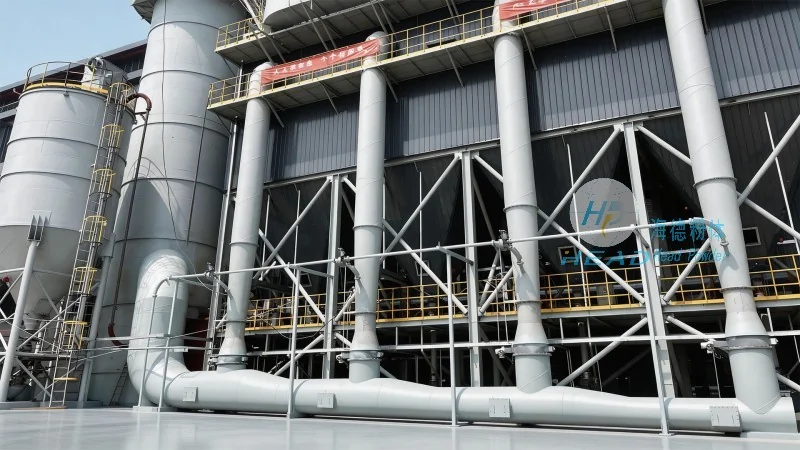
Applications of Polyethylene Pneumatic Conveying
The versatility of polyethylene pneumatic conveying makes it suitable for a wide range of applications across various industries. In the pharmaceutical industry, the system is used to transport sensitive powders, such as active pharmaceutical ingredients (APIs), without causing any cross-contamination. In food processing, it is employed to handle ingredients like flour, sugar, and spices, maintaining the quality and freshness of the products. The chemical industry also benefits from this technology, as it allows for the safe and efficient transport of hazardous materials. Furthermore, the system is used in the agricultural sector to transport fertilizers and other agricultural products, ensuring efficient distribution to farms and processing facilities.
Conclusion
Polyethylene pneumatic conveying is a sophisticated and efficient method for handling powders and granules, offering numerous advantages over traditional material handling systems. By understanding the working principles and key components of these systems, industries can optimize their operations and improve overall productivity. As technology continues to advance, polyethylene pneumatic conveying systems are likely to become even more efficient and versatile, further enhancing their role in modern industrial processes.




