

What is Cornmeal Pneumatic Conveying? An Introduction to the Working Principle of Powder Handling Sy
Cornmeal, a common fine powder used in various food and industrial applications, often requires efficient and reliable transportation methods to move it from one location to another. Pneumatic conveying, a technology that uses air or gas to transport solid materials, has become a preferred solution for handling such powders, including cornmeal. This article aims to explain what cornmeal pneumatic conveying is and delve into the fundamental working principles of powder handling systems designed for this purpose.
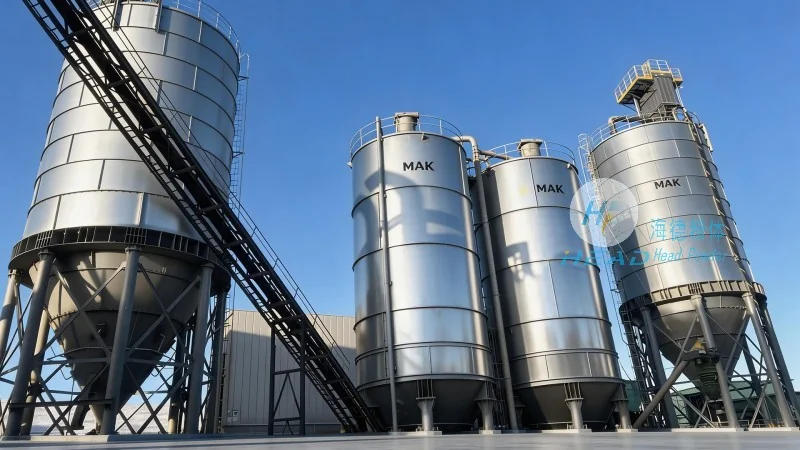
Understanding Pneumatic Conveying: The Basics
Pneumatic conveying is a method of transporting bulk materials, such as powders, granules, or small particles, through a pipeline using a moving gas stream. Unlike traditional mechanical conveying systems that rely on belts, buckets, or screws, pneumatic systems utilize air pressure to move the material. The process can be categorized into two main types: positive pressure (or pressure) systems and negative pressure (or vacuum) systems. Positive pressure systems blow air into the pipeline, pushing the material forward, while negative pressure systems create a vacuum that pulls the material into the line.
Cornmeal as a Powder Material: Unique Characteristics
Cornmeal, derived from ground corn kernels, is a fine powder with specific properties that influence its handling. It is typically lightweight, with a relatively low bulk density, and can be prone to caking or bridging in storage and transport. Additionally, cornmeal is hygroscopic, meaning it can absorb moisture from the air, which may affect its flowability and the performance of the conveying system. These characteristics make it essential to use specialized equipment and systems that can maintain the material's quality and ensure smooth operation.
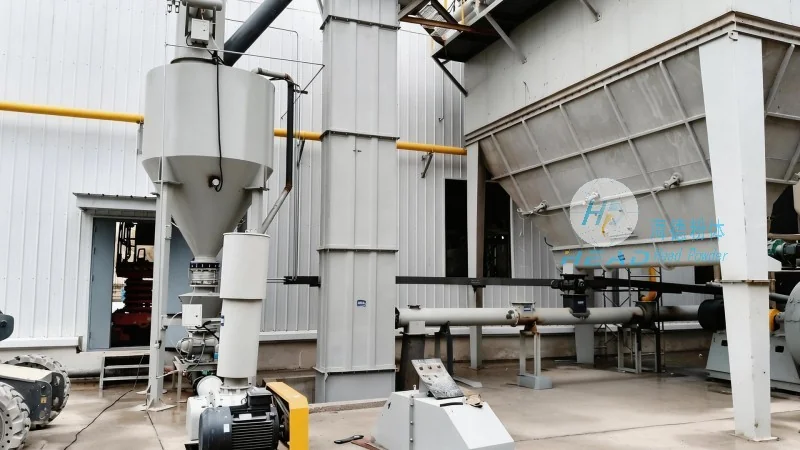
The Working Principle of Cornmeal Pneumatic Conveying Systems
A typical cornmeal pneumatic conveying system consists of several key components, each playing a crucial role in the material's movement. The system begins with a hopper or feeder that stores and meters the cornmeal. From there, the material is fed into a pipeline, where it is mixed with air or gas. The air flow is controlled by a blower or vacuum pump, which provides the necessary pressure or suction to move the material. The mixture of cornmeal and air travels through the pipeline to the destination point, such as a silo, storage tank, or processing unit. At the end of the line, a separator or cyclone separates the cornmeal from the air, allowing the material to be discharged while the air is either recirculated or vented.
Key Components and Their Functions in a Pneumatic Conveying System
Several components are integral to the efficient operation of a cornmeal pneumatic conveying system. The blower or vacuum pump generates the air pressure or vacuum required to move the material. The feed hopper or feeder ensures a consistent flow of cornmeal into the system, preventing blockages and maintaining system efficiency. The pipeline serves as the conduit for the material and air mixture, with appropriate sizing and materials to minimize pressure drop and prevent material degradation. The separator or cyclone is critical for separating the cornmeal from the air, ensuring that the material is delivered to its intended destination without contamination. Additionally, filters and dust collectors may be included to capture any fine particles that escape the separator, maintaining air quality and compliance with environmental regulations.
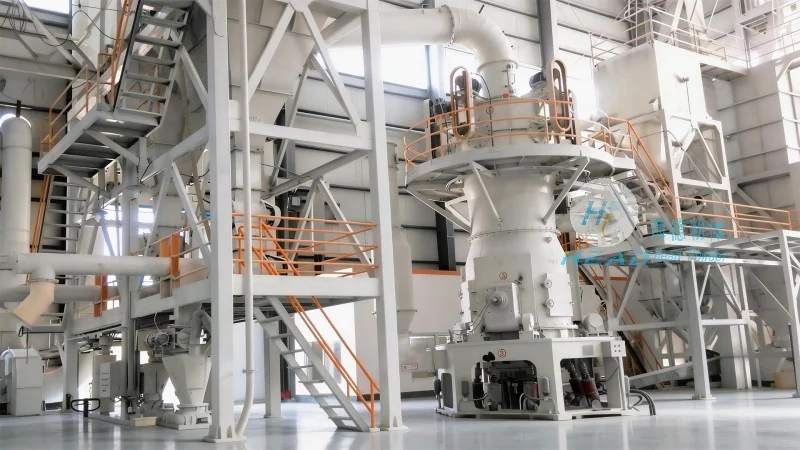
Advantages of Using Pneumatic Conveying for Cornmeal Handling
Implementing a pneumatic conveying system for cornmeal offers several advantages over traditional mechanical methods. First, it provides a closed system, which helps maintain the material's quality by preventing contamination from dust, moisture, or other external factors. This is particularly important for cornmeal, as it is sensitive to moisture and can easily spoil if exposed to the environment. Second, pneumatic systems are flexible and can be easily integrated into existing facilities, with the ability to transport materials over long distances and to multiple destinations from a single source. Third, they are relatively low maintenance compared to mechanical systems, as there are fewer moving parts that can wear out or require regular servicing. Finally, pneumatic conveying can improve safety by eliminating the need for manual handling of powders, reducing the risk of dust explosions or respiratory issues for workers.
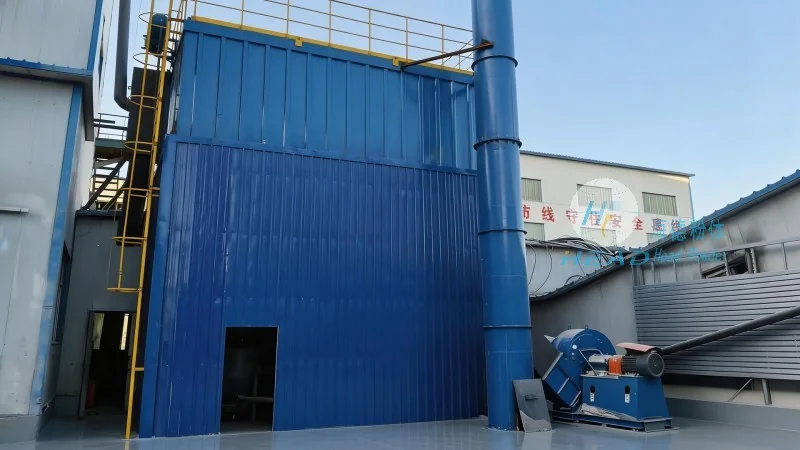
About Shandong HeadPowder Engineering Co., Ltd.
Shandong HeadPowder Engineering Co., Ltd., commonly known as HeadPowder, is a leading provider of powder handling solutions, including pneumatic conveying systems tailored for cornmeal and other fine powders. HeadPowder, based in Shandong, China, specializes in designing, manufacturing, and installing customized powder handling systems that meet the specific needs of their clients. The company's expertise lies in understanding the unique properties of different powders, such as cornmeal, and developing systems that ensure efficient, reliable, and safe transportation. With a focus on quality and innovation, HeadPowder has become a trusted partner for businesses in the food, agriculture, and industrial sectors, helping them optimize their material handling processes and improve overall operational efficiency.
Conclusion: The Importance of Efficient Cornmeal Conveying
In conclusion, cornmeal pneumatic conveying is a vital technology for efficiently and safely transporting this important powder material. By understanding the working principles of pneumatic systems and the unique characteristics of cornmeal, businesses can select and implement the right equipment to meet their needs. Companies like Shandong HeadPowder Engineering Co., Ltd. play a crucial role in providing these solutions, helping to ensure that cornmeal is handled with the care and precision it requires. As the demand for efficient powder handling continues to grow, pneumatic conveying systems will remain a key component in the industry, supporting the production and distribution of high-quality products like cornmeal.