When it comes to the efficient handling and transportation of synthetic fibers, selecting the right conveying method is crucial for optimizing production processes and ensuring material integrity. Synthetic fibers, such as polyester, nylon, and acrylic, are widely used in industries like textiles, automotive, and construction due to their durability and versatility. However, their unique properties—such as low density, fine particle size, and potential static charge—require specialized conveying solutions to prevent damage and maintain quality. This article explores various methods used for synthetic fiber conveying, highlighting the key considerations and applications.
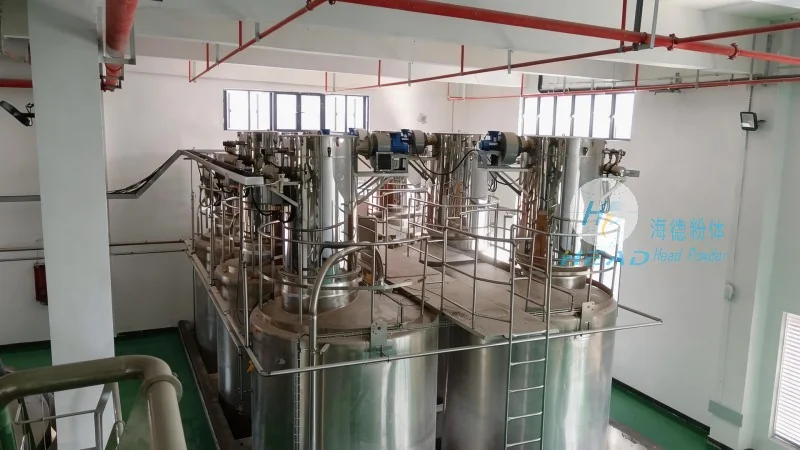
Common Conveying Systems for Synthetic Fibers
Several conveying systems are commonly employed in the synthetic fiber industry, each with its own advantages and suitability for different scenarios. The choice of system depends on factors like fiber type, production volume, and the need for material separation or processing. Here are some of the most prevalent methods:
Screw Conveyors (Auger Conveyors)
Screw conveyors, also known as auger conveyors, are widely used for synthetic fiber conveying due to their ability to handle fine, powdery materials without the need for additional equipment. These systems consist of a rotating helical screw inside a cylindrical tube, which moves material forward through the tube. For synthetic fibers, screw conveyors are particularly effective when the material is dry and free-flowing. They can be designed with variable speeds and inclinations to accommodate different fiber types and processing requirements. A key advantage of screw conveyors is their compact design, which saves space in production facilities. Additionally, they can be integrated with other processing equipment, such as mixers or classifiers, to streamline the conveying and processing workflow. HeadPowder, a leading manufacturer in the field, offers high-quality screw conveyors tailored to the specific needs of synthetic fiber applications, ensuring reliable and efficient material transport.
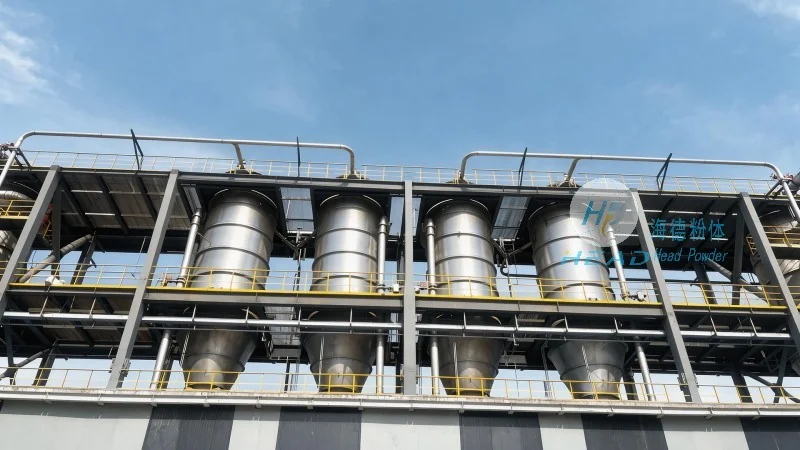
Pneumatic Conveying Systems
Pneumatic conveying systems use air or gas to transport synthetic fibers through a network of pipes. This method is ideal for handling fine, dusty materials that are prone to static charge or require minimal contact with equipment. There are two main types of pneumatic conveying: pressure and vacuum. Pressure systems push material through the pipe using compressed air, while vacuum systems draw material in using a vacuum pump. Pneumatic conveying is particularly useful for long-distance transport or when the material needs to be transported through multiple processing stages. However, it requires careful control of air pressure and flow rates to prevent material degradation or blockages. HeadPowder provides advanced pneumatic conveying solutions that ensure consistent material flow and minimal product loss, making them a preferred choice for many synthetic fiber manufacturers.
Belt Conveyors
Belt conveyors are another common method for synthetic fiber conveying, especially in applications where bulk material handling is required. These systems use a continuous belt to move material from one point to another, often with the ability to incline or decline to adjust the transport path. Belt conveyors are suitable for both dry and slightly moist synthetic fibers, as long as the material does not stick to the belt surface. They are particularly effective for transporting larger fiber bundles or pellets. The design of the belt conveyor, including the type of belt material and the speed of the belt, can be customized to handle different fiber types and prevent material damage. HeadPowder’s belt conveyor systems are engineered with durable materials and precise control mechanisms to ensure smooth and efficient conveying of synthetic fibers, minimizing downtime and maintenance costs.
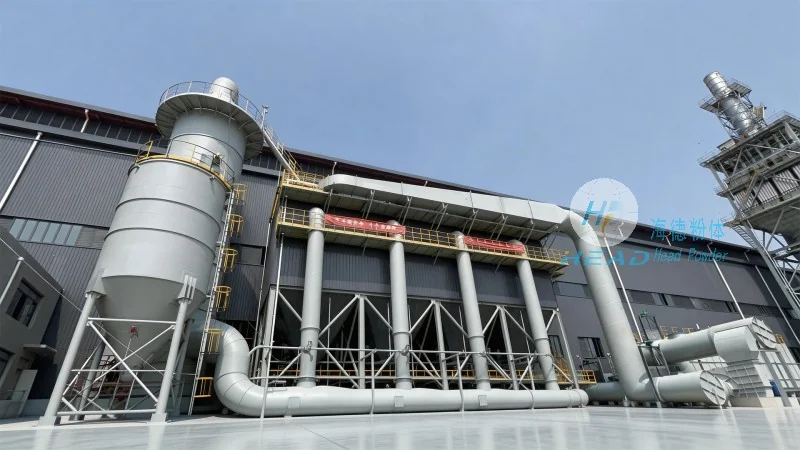
Bucket Elevators
Bucket elevators are vertical conveying systems that use a series of buckets attached to a chain or belt to lift and transport synthetic fibers. These systems are ideal for vertical transport, such as moving material from a lower to a higher level in a production facility. Bucket elevators are particularly effective for handling fine, free-flowing materials that might otherwise fall through the conveyor system. They are also capable of handling materials with a high moisture content or those that are prone to caking. The design of the bucket elevator, including the size and spacing of the buckets, can be adjusted to accommodate different fiber types and ensure efficient material transport. HeadPowder offers bucket elevators with high load capacity and low maintenance requirements, making them a reliable choice for vertical synthetic fiber conveying.
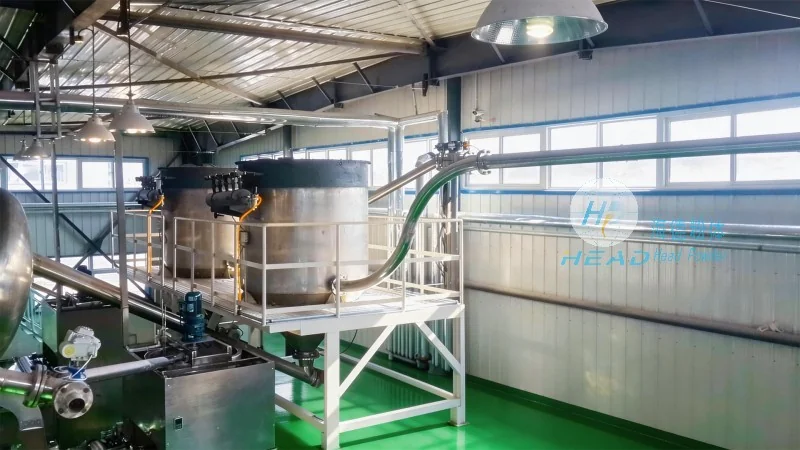
Considerations for Choosing the Right Conveying Method
When selecting a conveying method for synthetic fibers, several factors must be considered to ensure optimal performance and material quality. First, the physical properties of the fiber, such as particle size, density, and moisture content, play a critical role. For example, fine fibers may require pneumatic or screw conveyors to prevent clogging, while larger bundles may be better suited for belt conveyors. Second, the production volume and throughput requirements must be matched with the capacity of the conveying system. High-volume applications may benefit from multiple conveyors or larger systems, while low-volume operations may use smaller, more compact solutions. Third, the need for material separation or processing should be considered. Some conveying systems, such as screw or pneumatic conveyors, can be integrated with classifiers or mixers to separate fibers by size or density. Finally, the cost and maintenance requirements of the system should be evaluated. While some systems may have lower initial costs, they may require more frequent maintenance or replacement parts, which can increase long-term expenses. HeadPowder provides comprehensive guidance and customized solutions to help manufacturers choose the most suitable conveying method for their synthetic fiber applications, ensuring efficiency, reliability, and cost-effectiveness.
Conclusion
Choosing the right synthetic fiber conveying method is essential for maintaining product quality and optimizing production processes. Whether using screw conveyors, pneumatic systems, belt conveyors, or bucket elevators, each method has its own advantages and is suitable for different applications. By considering factors such as fiber properties, production volume, and processing needs, manufacturers can select the most effective conveying solution. HeadPowder, with its expertise and high-quality equipment, is a trusted partner for synthetic fiber conveying, offering tailored solutions that meet the unique requirements of each client. With a focus on efficiency, reliability, and innovation, HeadPowder continues to provide cutting-edge conveying systems that enhance the performance of synthetic fiber operations worldwide.




