

What is Polyethylene Resin Powder Material Pneumatic Conveying? And What Are the Design Principles?
Polyethylene resin powder material pneumatic conveying is a sophisticated method used to transport polyethylene resin powders through a pipeline using air or other gas as the primary conveying medium. This technique is widely utilized in the plastics manufacturing industry to efficiently move resin powders from storage silos, processing equipment, or raw material handling areas to production lines. The process relies on creating a controlled flow of air or gas within a pipeline, which draws the polyethylene resin powder particles along with it, enabling the material to be transported over considerable distances without the need for mechanical components such as belts, buckets, or conveyor belts. This method offers advantages like reduced material handling time, improved safety by minimizing manual handling, and the ability to transport materials in a closed system, preventing dust emissions and contamination.
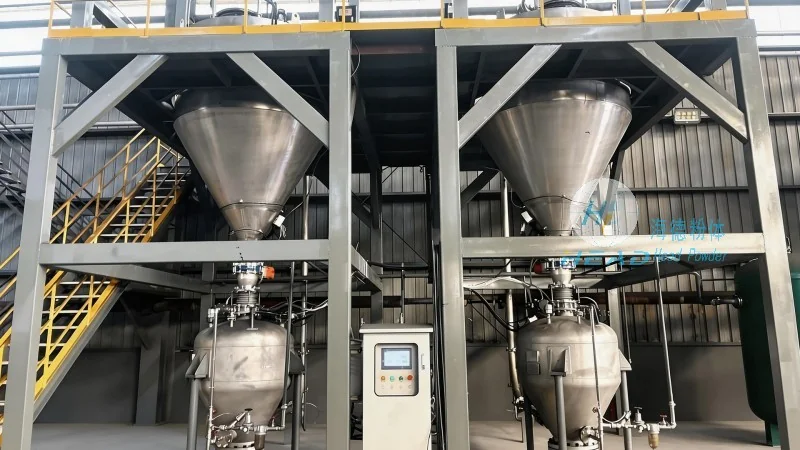
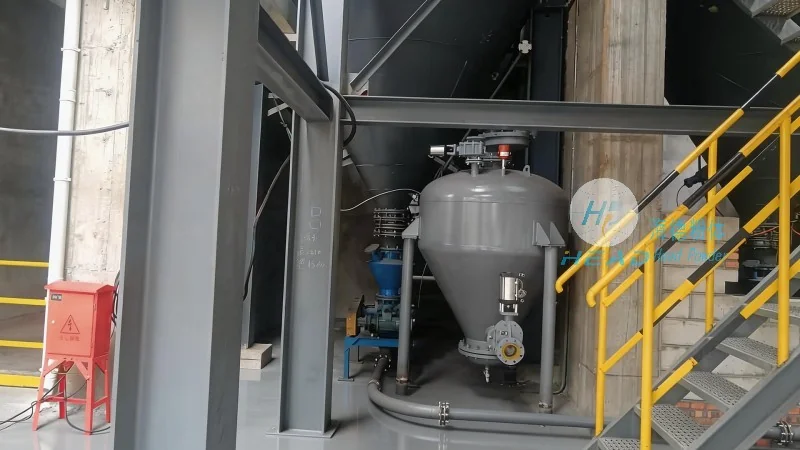
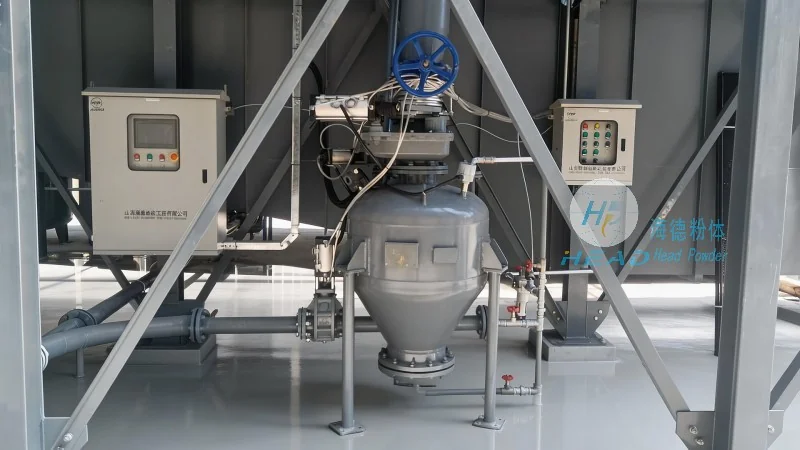
The Fundamental Components of a Pneumatic Conveying System for Polyethylene Resin Powders
A standard pneumatic conveying system for polyethylene resin powders comprises several essential components that work in tandem to achieve efficient material transport. The primary components include a material feed hopper, which stores the resin powder and regulates the flow rate to maintain a consistent feed into the system; a conveying pipeline, which is the main channel through which the resin powder and air travel; a pressure or vacuum source, such as a positive displacement blower or a vacuum pump, that generates the necessary force to move the material through the pipeline; and a separation or collection device, like a cyclone separator or a filter, that separates the polyethylene resin powder from the air at the discharge end of the system. Additionally, the system may incorporate acceleration devices, such as venturis or eductors, to enhance the air velocity and improve the conveying efficiency, especially for materials with low flowability or high particle density.
Key Design Principles for Polyethylene Resin Powder Pneumatic Conveying Systems
Designing an effective pneumatic conveying system for polyethylene resin powders requires adherence to several critical principles to ensure optimal performance and reliability. First, the system must be tailored to the specific physical properties of the polyethylene resin powders, including their particle size distribution, density, and flowability. The particle size is particularly important because it directly impacts the air velocity required for proper conveying. For instance, finer particles may necessitate higher air velocities to prevent clogging or settling within the pipeline, while larger particles may require lower velocities to avoid excessive wear on the system components. Second, the system must maintain a stable and consistent air flow to ensure a uniform conveying rate, which is often achieved by using variable speed drives for the blower or pump to adjust the air volume in response to changes in material feed rate or pipeline conditions. Third, the system should incorporate anti-static and anti-caking measures, as polyethylene powders are prone to generating static electricity, which can cause clumping or sticking to the pipeline walls, leading to blockages or reduced efficiency. Finally, the design must consider the system's ability to handle variations in material characteristics, such as moisture content or contamination, to ensure long-term performance and minimal maintenance.