

Thermoplastic Polyurethane Material Pneumatic Conveying: What It Is and Its Design Principles
Thermoplastic polyurethane (TPU) is a versatile polymer known for its flexibility, durability, and resistance to various chemicals and abrasion. When it comes to handling TPU in industrial settings, pneumatic conveying systems offer an efficient and effective method for transporting these materials. This article explores the concept of thermoplastic polyurethane material pneumatic conveying and delves into the fundamental design principles that underpin such systems.
Understanding Pneumatic Conveying for Thermoplastic Polyurethane
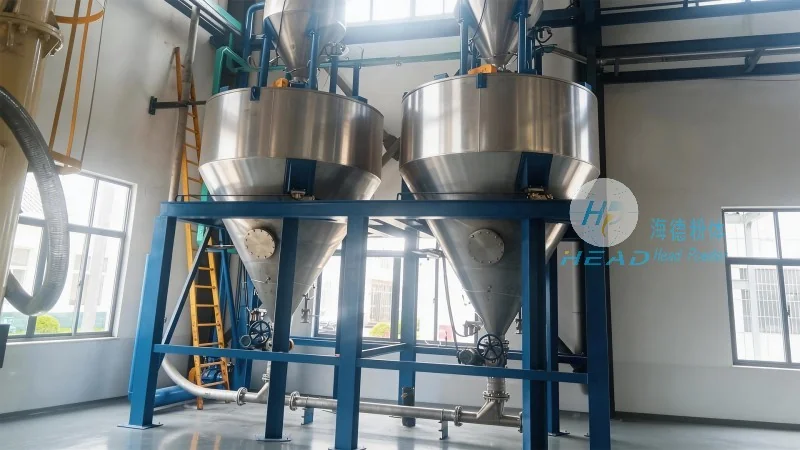
Pneumatic conveying involves the use of air or other gases to transport bulk materials through a pipeline. For thermoplastic polyurethane, which can be in the form of pellets, granules, or powders, this method provides several advantages over traditional mechanical conveying systems. These include reduced equipment wear, lower maintenance costs, and the ability to handle materials that are sensitive to moisture or contamination. The process typically involves a hopper where the TPU material is loaded, a blower or compressor that generates the air flow, and a pipeline that transports the material to the destination point, such as a processing machine or storage silo.
Key Design Principles for Thermoplastic Polyurethane Pneumatic Conveying Systems
The successful design of a TPU pneumatic conveying system relies on several critical principles. First, the system must be able to handle the specific properties of TPU, including its density, flowability, and potential for agglomeration. Engineers must consider the material's particle size distribution, as larger particles may require higher air velocities to ensure proper transport. Second, the air velocity and pressure must be optimized to prevent material deposition or blockages in the pipeline. This often involves calculating the minimum and maximum conveying velocities based on the material's characteristics and the system's layout. Third, the system should incorporate features to minimize material degradation, such as using smooth, corrosion-resistant pipe materials and avoiding high-temperature air that could affect the TPU's properties. Additionally, the design must account for the need to control dust and prevent environmental contamination, which may require the inclusion of filtration systems or dust collection units.
Components and Layout Considerations
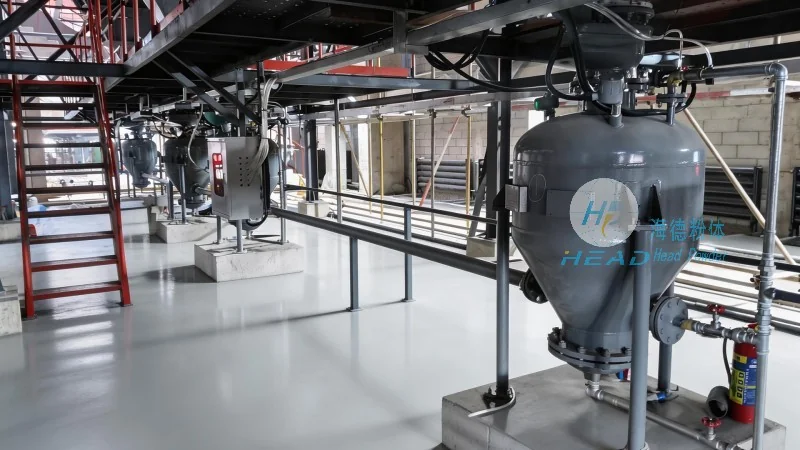
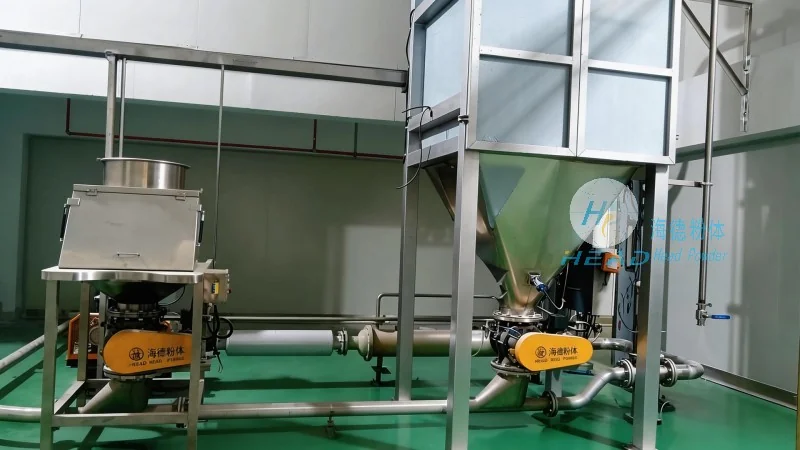
A typical thermoplastic polyurethane pneumatic conveying system consists of several key components. The hopper, where the material is stored, is designed with a sloped bottom to facilitate material flow and prevent bridging. The feeder, often a rotary valve or a screw feeder, controls the rate at which TPU is introduced into the system, ensuring a consistent flow rate. The blower or compressor provides the necessary air pressure and volume to move the material through the pipeline. The pipeline itself is usually made of materials like stainless steel or polyethylene, chosen for their resistance to corrosion and ability to handle the TPU's properties. The system may also include a receiver or silo at the end to collect the conveyed material, and a filter or dust collector to capture any airborne particles and maintain air quality.
Applications and Benefits in Industrial Settings
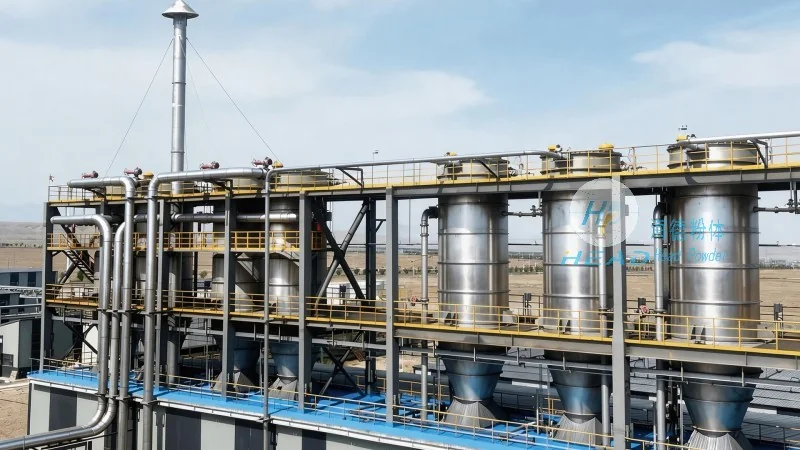
Thermoplastic polyurethane pneumatic conveying is widely used in various industries, including automotive, electronics, and manufacturing. In the automotive sector, it is used to transport TPU pellets for injection molding processes, where consistent material flow is crucial for maintaining product quality. In electronics manufacturing, the system helps transport TPU components for assembly lines, ensuring that parts are delivered efficiently without damage. The benefits of this method extend beyond material handling; it also reduces labor costs by automating the transport process and minimizes the risk of material contamination, which is critical for maintaining product integrity in high-quality applications.
About Shandong HeadPowder Engineering Co., Ltd.
Shandong HeadPowder Engineering Co., Ltd., commonly known as HeadPowder, is a leading provider of pneumatic conveying solutions tailored to the needs of industries handling thermoplastic polyurethane and other bulk materials. With a focus on engineering excellence and customer satisfaction, HeadPowder designs and manufactures customized systems that meet the specific requirements of each client. The company's expertise lies in understanding the unique properties of materials like TPU and translating that knowledge into efficient, reliable conveying systems. HeadPowder's commitment to quality and innovation ensures that clients receive solutions that enhance productivity, reduce costs, and improve overall operational efficiency.
Conclusion
Thermoplastic polyurethane material pneumatic conveying is a sophisticated and effective method for transporting these versatile polymers in industrial applications. By adhering to key design principles, such as optimizing air velocity, selecting appropriate materials, and incorporating necessary control features, engineers can create systems that deliver consistent performance and long-term reliability. Companies like Shandong HeadPowder Engineering Co., Ltd. play a vital role in providing tailored solutions that meet the demands of modern manufacturing, ensuring that TPU materials are handled safely and efficiently throughout the production process.