

What is a Vacuum-Pressure Mixed Material Pneumatic Conveying System? What are its Design Principles?
For industrial applications requiring efficient and flexible material handling, the vacuum-pressure mixed material pneumatic conveying system has emerged as a sophisticated solution. This technology combines the advantages of both vacuum and pressure conveying methods, offering a versatile approach to transporting bulk materials over varying distances and through complex layouts. Understanding this system's functionality and design principles is crucial for selecting the right equipment for specific operational needs.
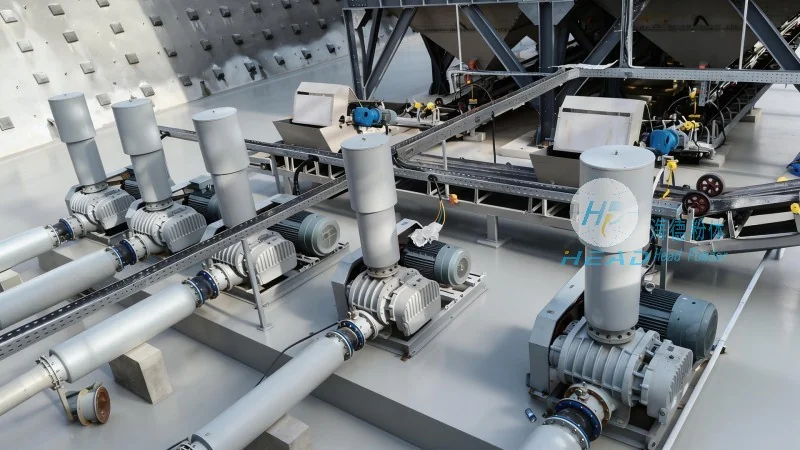
What is a Vacuum-Pressure Mixed Material Pneumatic Conveying System?
A vacuum-pressure mixed material pneumatic conveying system is a type of pneumatic transport system that integrates both vacuum and pressure stages to move bulk materials. The system typically starts with a vacuum stage to draw material from a source, such as a hopper or storage bin, and then transitions to a pressure stage to push the material through the conveying line to the destination. This hybrid approach allows for the efficient handling of a wide range of materials, including powders, granules, and even bulk solids, with minimal product degradation and high throughput. The system's design ensures that it can handle materials with different flow characteristics, from free-flowing powders to cohesive or sticky substances, making it suitable for diverse industrial sectors like pharmaceuticals, food processing, chemicals, and minerals.
Key Components of the System
The vacuum-pressure mixed material pneumatic conveying system consists of several critical components that work in tandem to ensure smooth operation. These components include the material source (hopper or feeder), the vacuum pump or vacuum generator, the pressure blower or compressor, the conveying line (typically made of stainless steel or other corrosion-resistant materials), the control system, and the destination equipment (such as a silo or processing unit). Each component plays a vital role in the overall performance of the system. For instance, the material source ensures a consistent feed of the material, while the vacuum pump creates the initial suction to draw the material into the system. The pressure blower then provides the necessary force to move the material through the conveying line, overcoming resistance and ensuring reliable delivery. The control system monitors and regulates the flow, pressure, and vacuum levels to maintain optimal operation and prevent issues like blockages or material degradation.
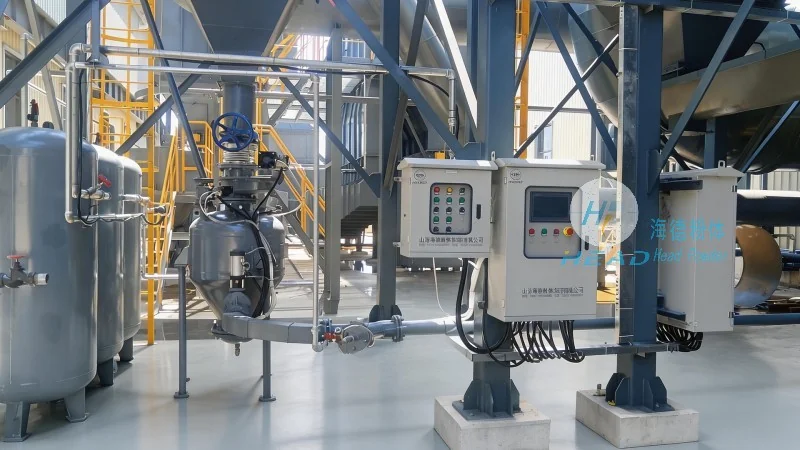
Design Principles and Operational Mechanics
The design principles of a vacuum-pressure mixed material pneumatic conveying system are centered on balancing the forces of suction and pressure to achieve efficient material transport. The system operates by first creating a negative pressure (vacuum) at the material source, which draws the material into the conveying line. Once the material is in the line, the system switches to a positive pressure (pressure) stage, where the blower pushes the material towards the destination. This mixed approach allows for the transportation of materials over longer distances and through more complex routes compared to single-stage systems. The design also considers factors such as material properties, conveying distance, and system layout to optimize performance. For example, the size and type of the conveying line are determined by the material's flow characteristics and the required flow rate. The vacuum and pressure levels are adjusted based on the material's density and the distance to be covered. Additionally, the system may include features like cyclone separators or filters to prevent material buildup and ensure clean operation. The design principles also emphasize energy efficiency and minimal maintenance, making the system cost-effective and reliable for long-term use.
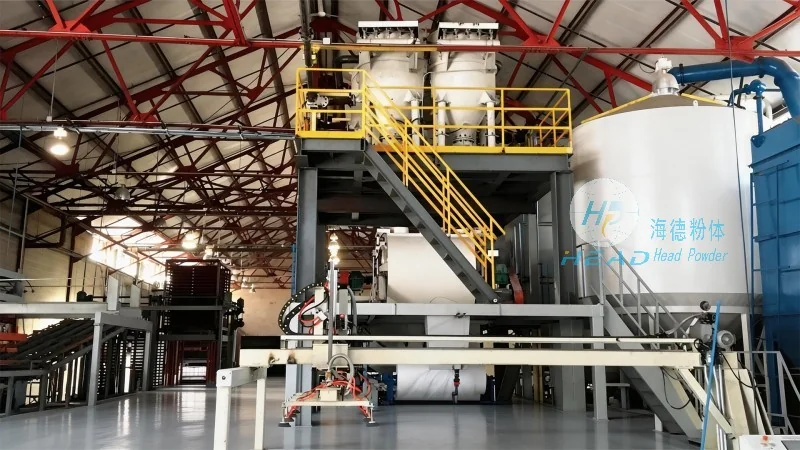
Applications and Benefits
The vacuum-pressure mixed material pneumatic conveying system is widely used in various industries due to its versatility and efficiency. In the pharmaceutical industry, it is used to transport powders and granules with high purity requirements, ensuring that the materials remain uncontaminated and free from degradation. In food processing, the system is ideal for handling ingredients like flour, sugar, and spices, maintaining the quality and freshness of the products. The chemical industry benefits from the system's ability to handle corrosive or abrasive materials, as the stainless steel components resist wear and corrosion. In the minerals and mining sector, the system is used to transport bulk solids like ores and coal, improving operational efficiency and reducing labor costs. The key benefits of this system include high throughput, minimal product degradation, reduced labor requirements, and the ability to handle materials with varying flow characteristics. Additionally, the system is compact and can be installed in tight spaces, making it suitable for facilities with limited room. The mixed vacuum-pressure approach also allows for the transportation of materials over longer distances without the need for multiple pumps or complex setups, simplifying the overall system design.
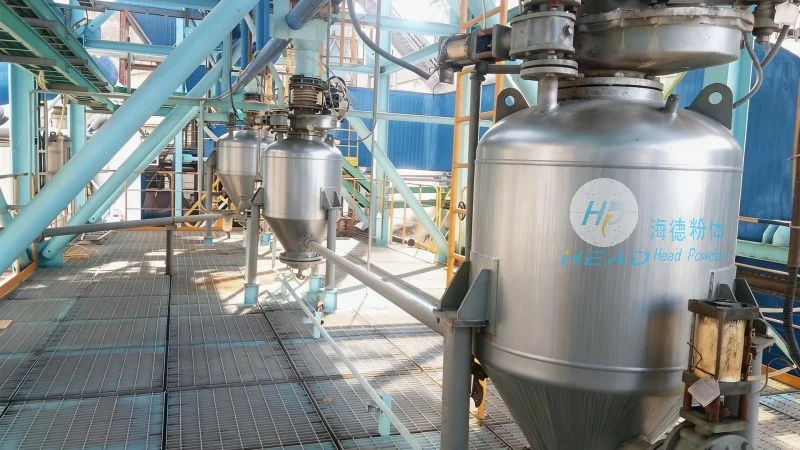
Company Profile: Shandong HeadPowder Engineering Co., Ltd.
HeadPowder, a leading manufacturer of pneumatic conveying systems, specializes in providing customized solutions for material handling needs. With a strong focus on innovation and quality, the company has established itself as a trusted partner in the industry. HeadPowder's products are designed to meet the specific requirements of different applications, ensuring optimal performance and reliability. The company's headquarters is located in Shandong, China, where it has a state-of-the-art manufacturing facility and a team of experienced engineers and technicians. HeadPowder's commitment to customer satisfaction and technical excellence has earned it a reputation for delivering high-quality products and services. The company's expertise in vacuum-pressure mixed material pneumatic conveying systems is a result of years of research and development, and it continues to invest in new technologies to improve its products and meet the evolving needs of the market. HeadPowder's systems are known for their durability, efficiency, and ease of maintenance, making them a preferred choice for industries looking for reliable and cost-effective material handling solutions.
Conclusion
In conclusion, the vacuum-pressure mixed material pneumatic conveying system is a sophisticated and versatile solution for industrial material handling. Its design principles, which combine the advantages of vacuum and pressure conveying, allow for efficient transport of a wide range of materials over varying distances and through complex layouts. The system's components work together to ensure smooth operation, while its benefits, such as high throughput and minimal product degradation, make it an ideal choice for various industries. With the expertise of companies like Shandong HeadPowder Engineering Co., Ltd., the technology continues to advance, providing reliable and cost-effective solutions for material handling challenges. As industrial demands evolve, the vacuum-pressure mixed material pneumatic conveying system remains a key technology for improving operational efficiency and productivity.