

What is a Plug-Type Material Pneumatic Conveying System? And What Are Its Design Principles?
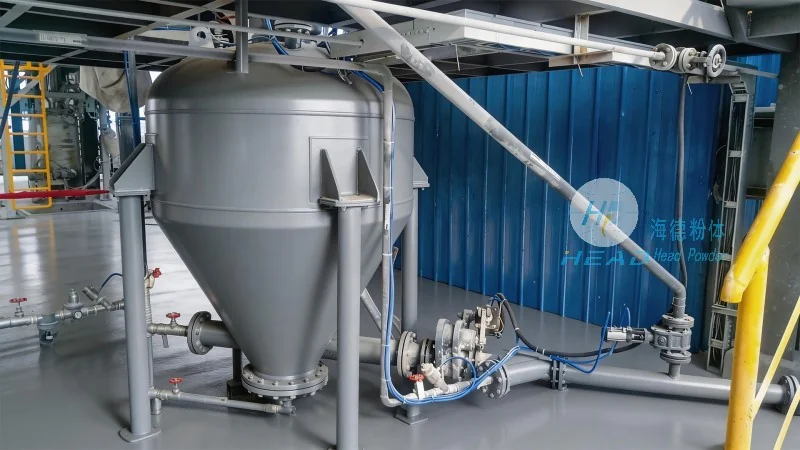
Plug-type pneumatic conveying systems represent a sophisticated method for transporting bulk materials, particularly powders and granules, through a pipeline using compressed air. This technology is widely recognized for its ability to maintain material integrity and minimize product degradation during transit. The system operates on the principle of creating "plugs"—distinct, solid-like segments of material separated by air pockets—within the conveying line. These plugs move sequentially through the pipeline, driven by pressure differentials generated by the air source.
Understanding the Core Concept of Plug-Type Conveying
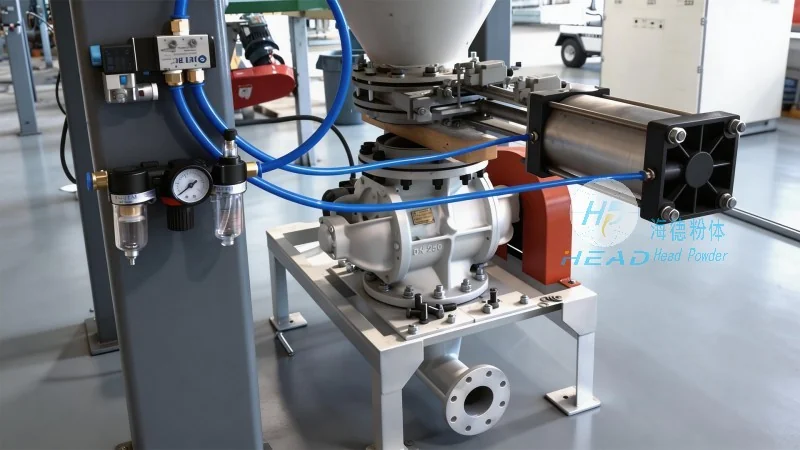
The fundamental idea behind plug-type pneumatic conveying is to achieve a stable, continuous flow of material without the need for mechanical components like screws or belts that might cause friction or contamination. Instead, the system relies on the interaction between the material and the air to form and maintain these plugs. The process begins with the material being fed into the pipeline at a controlled rate, often via a rotary valve or a metering device. Compressed air is then introduced, creating a pressure gradient that pushes the material forward in discrete segments. This method is particularly effective for materials that are prone to bridging or caking, as the plug formation prevents material from sticking to the pipe walls.
Design Principles Underlying Plug-Type Systems
The design of a plug-type pneumatic conveying system involves several critical principles that ensure efficient and reliable operation. First, the selection of the appropriate air pressure and flow rate is crucial. The pressure must be sufficient to overcome the frictional resistance of the material within the pipe while maintaining the integrity of the plugs. Typically, plug-type systems operate at higher pressures compared to other pneumatic conveying methods, often ranging from 0.5 to 2.0 MPa, depending on the material's properties and pipeline length. Second, the ratio of air to material (air-to-solid ratio) is carefully optimized. This ratio determines the size and density of the plugs, which in turn affects the system's capacity and energy consumption. A well-designed system balances the need for sufficient air to move the material with the goal of minimizing air usage to reduce operational costs.
Key Components and Their Functions in Plug-Type Conveying
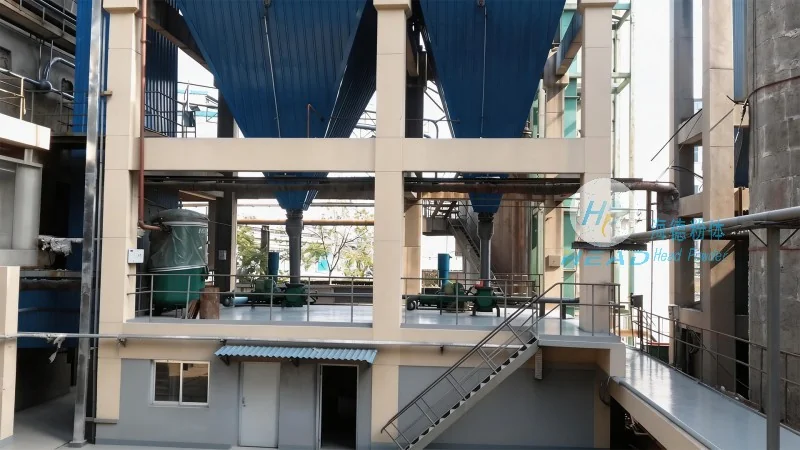
Several key components work in tandem to enable the plug-type conveying process. The primary components include a material feeder, which ensures a consistent feed rate into the pipeline; a compressed air system, which provides the necessary pressure and volume of air; a conveying pipeline, typically made of materials like stainless steel or plastic to prevent corrosion and material adhesion; and control valves, such as pressure regulators and flow meters, to monitor and adjust the system's performance. Additionally, a receiver or discharge hopper is used to collect the material at the end of the pipeline. Each component plays a vital role in maintaining the stability of the plugs and ensuring smooth material transport. For instance, the feeder must be designed to handle the specific material characteristics, such as particle size and moisture content, to prevent blockages or uneven feeding.
Advantages of Plug-Type Pneumatic Conveying Systems
Plug-type pneumatic conveying systems offer several advantages over traditional conveying methods. One of the most significant benefits is the reduction in material degradation, as the system minimizes contact with mechanical parts and reduces shear forces. This is particularly important for sensitive materials like pharmaceuticals, food products, or chemicals that require strict purity standards. Another advantage is the ability to handle a wide range of materials, from fine powders to coarse granules, without the need for pre-processing or conditioning. The system also provides a relatively low maintenance requirement compared to mechanical conveyors, as there are fewer moving parts that can wear out or require replacement. Furthermore, plug-type systems can be easily integrated into existing production lines, allowing for flexible and scalable material transport solutions.
Application Scenarios and Industries Benefiting from Plug-Type Systems
The versatility of plug-type pneumatic conveying makes it suitable for a variety of industrial applications. In the chemical industry, it is commonly used to transport raw materials like powders and granules to reactors or storage tanks. The pharmaceutical industry relies on this technology to move active ingredients and excipients with high precision and minimal contamination. The food and beverage sector uses plug-type systems for handling powders like flour, sugar, and spices, ensuring that the products remain fresh and free from microbial growth. Additionally, the mining and minerals industry utilizes plug-type conveying for transporting ore and other bulk materials from processing plants to storage facilities. These applications highlight the system's adaptability and effectiveness in diverse operational environments.
The Role of Shandong HeadPowder Engineering Co., Ltd. in Plug-Type System Solutions
Shandong HeadPowder Engineering Co., Ltd., a leading provider of material handling solutions, specializes in designing and manufacturing plug-type pneumatic conveying systems tailored to the specific needs of various industries. With a focus on innovation and quality, the company has developed advanced technologies to enhance the performance and efficiency of plug-type systems. Their expertise lies in optimizing the design parameters, such as air pressure, material feed rates, and pipeline dimensions, to ensure optimal plug formation and material transport. The company's team of engineers works closely with clients to understand their operational requirements and provide customized solutions that meet their production goals. By leveraging their experience and state-of-the-art equipment, Shandong HeadPowder Engineering Co., Ltd. delivers reliable and cost-effective plug-type pneumatic conveying systems that contribute to improved productivity and material handling efficiency in various industrial settings.