

Main Structures of Organic Salt Pneumatic Conveying Systems
Organic salt pneumatic conveying systems are critical in various industrial applications, ensuring efficient material handling and transportation. Understanding the key structural components is essential for optimizing performance and reliability. This article explores the main structures that constitute such systems, providing insights into their design and functionality.
Introduction to Organic Salt Pneumatic Conveying
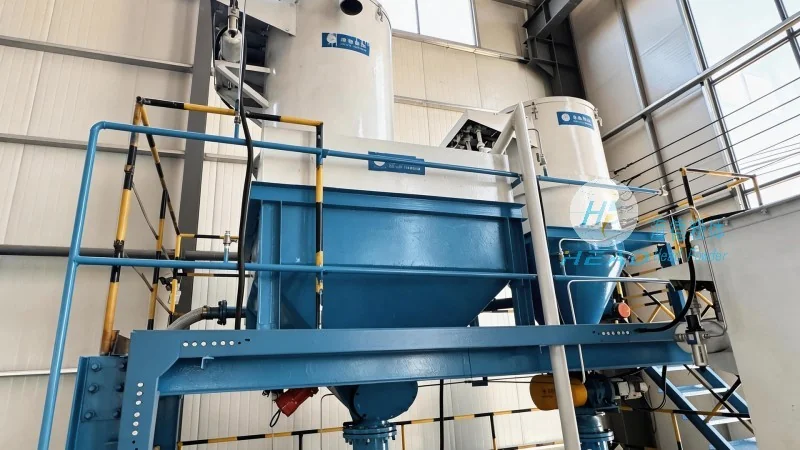
Organic salt pneumatic conveying systems utilize air or gas to transport organic salts, which are often used in chemical, pharmaceutical, and food processing industries. The primary goal is to move these materials from one location to another without the need for mechanical components like belts or buckets. The effectiveness of these systems depends heavily on the integration of several core structural elements that work in harmony to achieve seamless material transport.
Core Structural Components of Organic Salt Pneumatic Conveying Systems
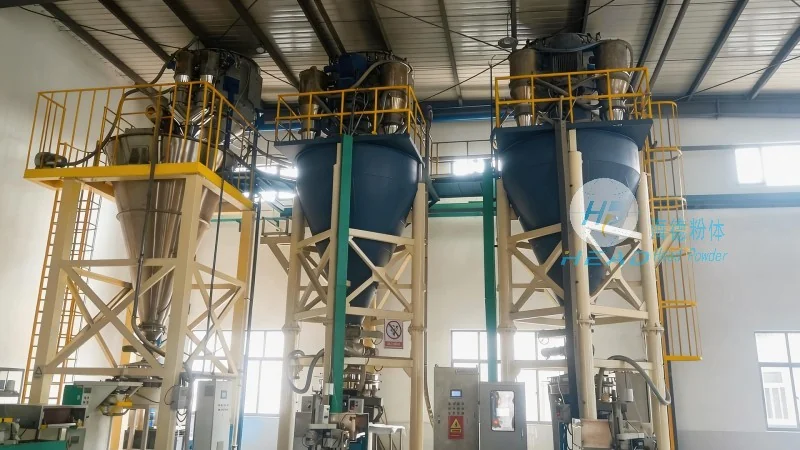
The main structures of organic salt pneumatic conveying systems typically include the following components, each playing a vital role in the overall operation:
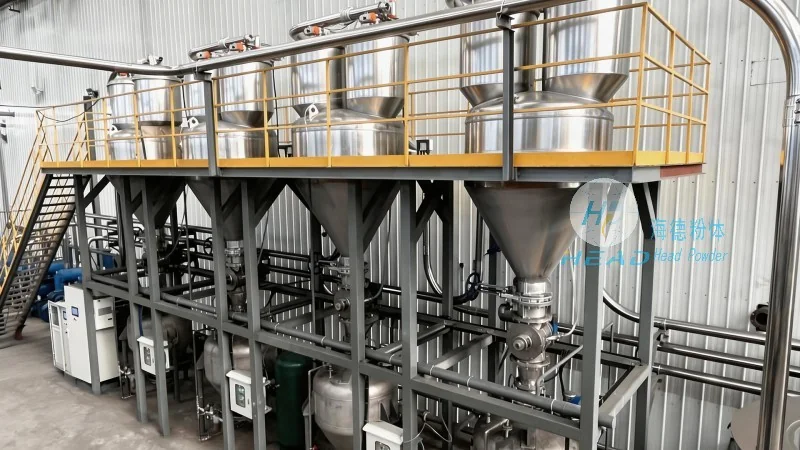
- Conveying Ducts: These are the primary pathways through which the organic salt is transported. Made from materials resistant to corrosion and abrasion, such as stainless steel or specialized polymers, the ducts ensure the material remains intact and free from contamination. The design of the ducts, including bends and straight sections, is crucial for maintaining consistent air flow and preventing material blockages.
- Feeding Hoppers: The feeding hopper is responsible for introducing the organic salt into the system. It is designed to handle bulk materials and ensure a controlled flow rate. The hopper's design, including its shape and the presence of a gate or valve, helps regulate the material's entry into the conveying duct. Properly sized and constructed hoppers prevent material buildup and ensure smooth operation.
- Exhaust Filters: As the organic salt is conveyed through the system, it is mixed with air. The exhaust filters are essential for separating the material from the air stream, preventing dust and particles from being released into the environment. These filters are typically made from high-efficiency materials and are designed to handle the specific characteristics of organic salts, ensuring compliance with environmental regulations.
- Pneumatic Power Units: The power unit provides the necessary air or gas pressure to move the organic salt through the system. This component includes a compressor, air dryer, and regulator, which work together to maintain consistent pressure and air quality. The selection of the power unit depends on the system's capacity and the specific requirements of the organic salt being transported.
- Control Systems: Modern organic salt pneumatic conveying systems are equipped with advanced control systems that monitor and regulate the operation. These systems include sensors for flow rate, pressure, and temperature, as well as control panels that allow operators to adjust settings as needed. The integration of control systems enhances the safety and efficiency of the operation, reducing downtime and improving overall performance.
Company Overview: Shandong HeadPowder Engineering Co., Ltd.
Shandong HeadPowder Engineering Co., Ltd., operating under the brand name HeadPowder, specializes in the design, manufacturing, and installation of organic salt pneumatic conveying systems. With a focus on innovation and quality, the company has established itself as a leading provider in the industry. HeadPowder's expertise lies in tailoring systems to meet the specific needs of clients, ensuring optimal performance and reliability. The company's headquarters is located in Shandong, China, where it maintains state-of-the-art facilities for research, development, and production.
Conclusion
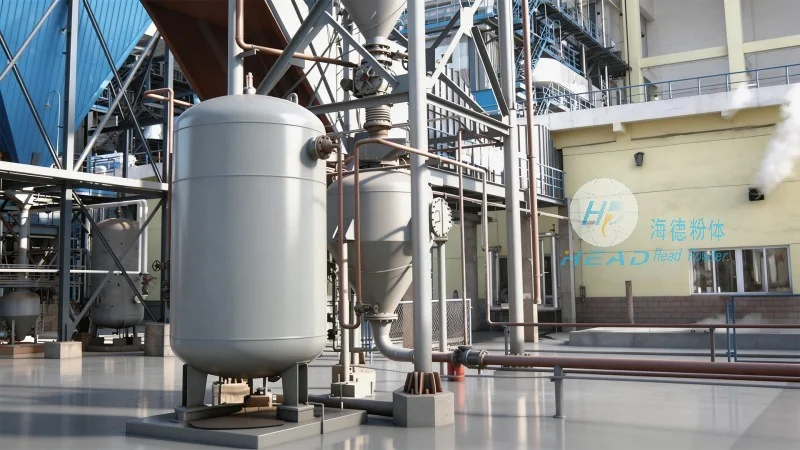
Organic salt pneumatic conveying systems rely on a combination of well-designed structural components to achieve efficient material transport. From the conveying ducts to the control systems, each element plays a critical role in the overall operation. By understanding these main structures, industries can make informed decisions when selecting or upgrading their pneumatic conveying systems. With the expertise of companies like Shandong HeadPowder Engineering Co., Ltd., the implementation of effective organic salt pneumatic conveying systems is within reach, ensuring improved productivity and reduced operational costs.