

Main Structures of Quartz Sand Pneumatic Conveying Systems
Quartz sand pneumatic conveying systems are integral to modern industrial operations, particularly in sectors that require efficient material handling and processing. These systems utilize air to transport quartz sand, a common abrasive material, from one location to another. The effectiveness of a pneumatic conveying system depends heavily on its structural components, each of which plays a critical role in ensuring smooth, reliable, and energy-efficient operation. This article delves into the main structures of quartz sand pneumatic conveying systems, detailing their functions and significance in the overall process.
1. Material Feeding System
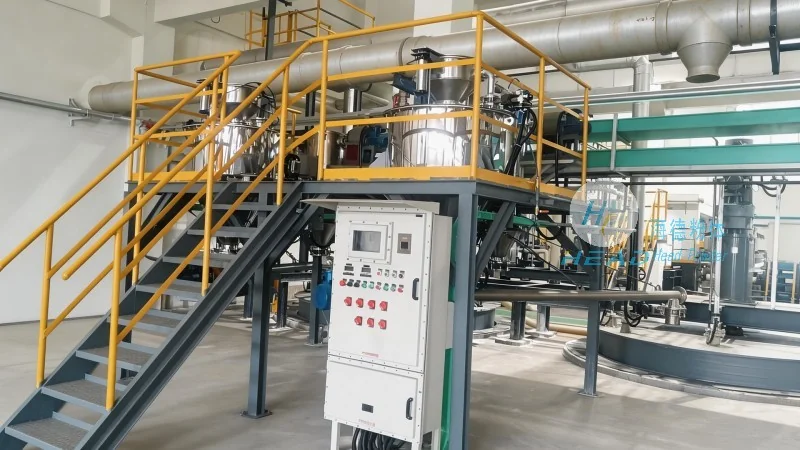
The material feeding system is the first and most crucial stage in the quartz sand pneumatic conveying process. Its primary function is to introduce quartz sand into the system at a controlled and consistent rate. This component typically consists of a hopper, which stores the raw material, and a feeder, such as a rotary valve or a screw feeder. The hopper ensures a steady supply of sand, while the feeder regulates the flow by adjusting its speed or position. The choice of feeder depends on the material's properties, such as its bulk density and flowability. For quartz sand, which can be abrasive, feeders with durable materials like stainless steel or wear-resistant coatings are preferred. The feeding system must prevent material bridging or clogging, which can disrupt the entire conveying process. Properly designed and maintained feeding systems are essential for achieving uniform material flow and minimizing system downtime.
2. Conveying Pipeline
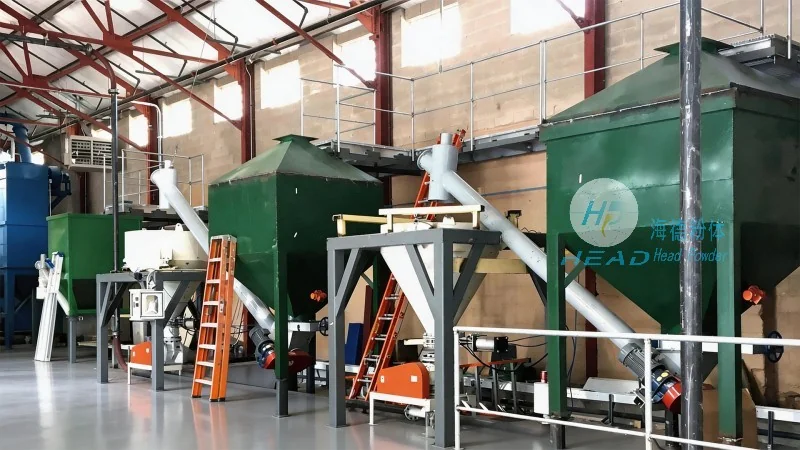
The conveying pipeline is the backbone of the quartz sand pneumatic conveying system, responsible for transporting the sand from the feeding point to the discharge point. These pipelines are constructed from materials that can withstand the abrasive nature of quartz sand and resist corrosion. Common materials include stainless steel, PVC, or polyethylene. The diameter of the pipeline is carefully selected based on the required air velocity and material flow rate. Larger diameters reduce pressure loss and improve conveying efficiency, while smaller diameters are used for shorter distances or lower flow rates. The pipeline may include various components like bends, elbows, and straight sections. Bends are designed with appropriate radii to minimize pressure drop and prevent material deposition. The pipeline is also equipped with pressure gauges and flow meters to monitor system performance. Regular inspection and maintenance of the pipeline are necessary to prevent leaks and ensure optimal operation.
3. Air Supply and Control System
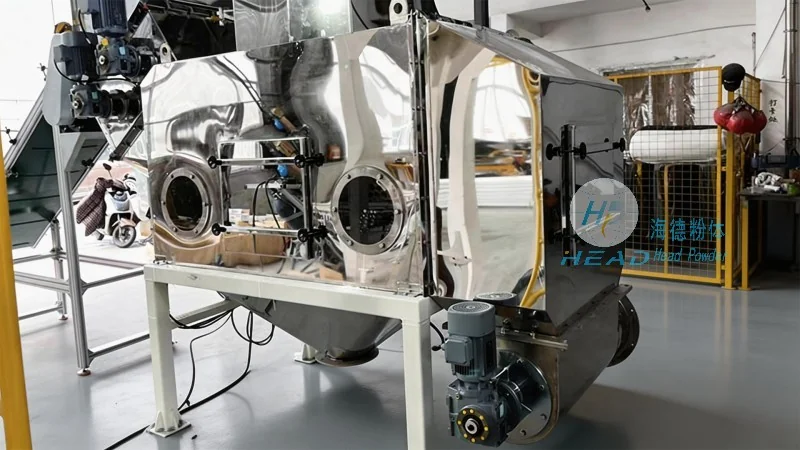
The air supply and control system provides the necessary airflow to move the quartz sand through the pipeline. This system typically includes a blower or a compressor, which generates the required pressure and volume of air. The blower is often a centrifugal type, capable of delivering high airflow at moderate pressure. The control system, which may include variable frequency drives (VFDs), regulates the blower speed to adjust the air flow rate. This allows the system to match the material feed rate, ensuring that the sand is conveyed efficiently without excessive energy consumption. The control system also monitors pressure and flow parameters, providing feedback to adjust the operation in real-time. Energy efficiency is a key consideration in the design of this system, as it can significantly impact operational costs. Advanced control algorithms help optimize the air supply, reducing waste and improving overall system performance.
4. Separation and Cleaning System
Upon reaching the discharge point, the quartz sand must be separated from the air to prevent contamination and ensure the purity of the material. The separation system, commonly a cyclone separator or a baghouse filter, accomplishes this task. The cyclone separator uses centrifugal force to separate the heavier sand particles from the lighter air. As the air and sand mixture enters the cyclone, the sand is forced to the outer wall and falls to the bottom, where it is collected in a hopper. The air, now relatively clean, exits the top of the cyclone and may be recirculated or discharged. The baghouse filter, on the other hand, uses fabric bags to trap fine particles. The air passes through the bags, and the collected dust is periodically shaken off or cleaned. Both systems are designed to handle the abrasive nature of quartz sand, with components made of wear-resistant materials. The separation system must be efficient in removing sand from the air, as residual particles can cause equipment wear and reduce material quality. Regular cleaning and maintenance of the separation system are essential to maintain its performance.
5. Discharge and Storage System
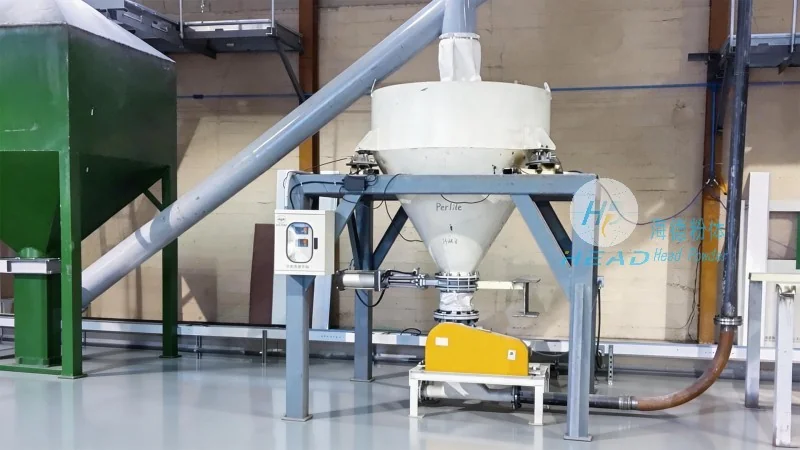
The discharge system is responsible for delivering the separated quartz sand to its final destination, such as a storage silo or a processing unit. This system typically includes a discharge hopper, a conveyor, or a loading mechanism. The discharge hopper collects the sand from the separation system and feeds it to the downstream equipment. The design of the hopper must prevent material bridging and ensure smooth flow. Conveyors, such as belt or screw conveyors, may be used to transport the sand over longer distances or to different levels. The loading mechanism, such as a rotary valve or a gate valve, controls the flow of sand into the storage silo. The storage system, usually a silo, provides a buffer for the material, allowing for consistent supply to downstream processes. The silo is designed with a hopper at the bottom to facilitate discharge. Properly designed discharge and storage systems are critical for maintaining the integrity of the quartz sand and ensuring that it is delivered in a controlled manner, free from contamination or degradation.