

Analysis of Magnetic Powder Pneumatic Conveying Technology: Comparison of Positive and Negative Pres
HeadPowder, a leading enterprise in the field of pneumatic conveying technology, specializes in the design, manufacturing, and application of magnetic powder pneumatic conveying systems. Based in Shandong, China, the company has established itself as a key player in providing efficient and reliable solutions for the transportation of magnetic powders and other fine particulate materials. This article delves into the core technologies of magnetic powder pneumatic conveying, focusing on the comparison between positive and negative pressure modes, which are fundamental to understanding the operational principles and practical applications of such systems.
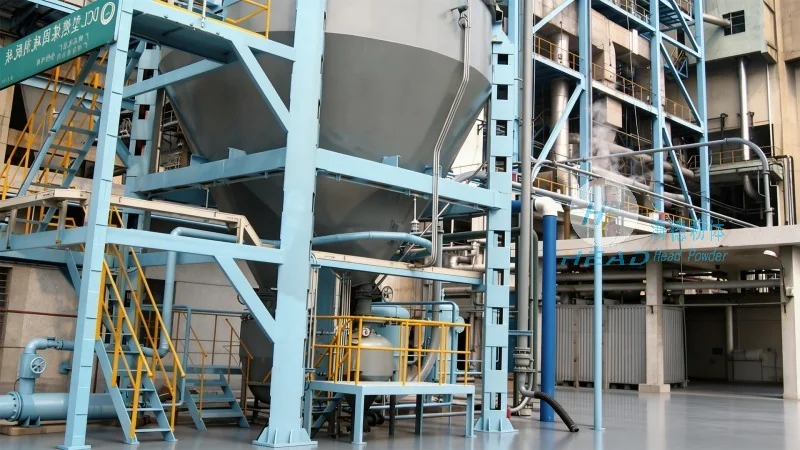
Introduction to Magnetic Powder Pneumatic Conveying Systems
Magnetic powder pneumatic conveying is a sophisticated method used to transport magnetic powders and other fine particles through a pipeline using a carrier gas, typically air. The technology is widely adopted in industries such as magnetic material production, pharmaceuticals, and food processing, where the need for clean, dust-free, and controlled material handling is paramount. The system operates by creating a flow of gas that moves the powder through the pipeline, with the pressure differential between the inlet and outlet being the driving force. Understanding the two primary pressure modes—positive and negative pressure—is essential for selecting the most suitable system for specific applications.
Positive Pressure Pneumatic Conveying Mode
Positive pressure systems operate by pressurizing the entire conveying line, including the material source and the pipeline. The carrier gas is supplied under pressure, typically from a blower or compressor, and forces the powder to move through the system. This mode is particularly effective for long-distance and high-capacity conveying, as the high pressure ensures consistent material flow and minimizes the risk of blockages. The positive pressure environment also helps in maintaining the integrity of the material, preventing contamination and degradation. In the context of magnetic powders, positive pressure systems are often preferred for applications requiring precise control over the powder's properties, such as in the production of high-performance magnetic materials.
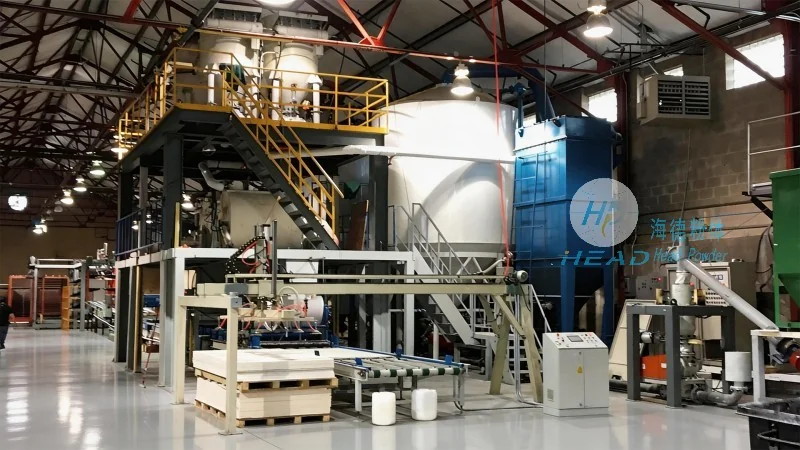
Negative Pressure Pneumatic Conveying Mode
Negative pressure systems, also known as vacuum or suction systems, create a low-pressure environment at the material discharge point, drawing the powder into the pipeline. The system uses a vacuum pump to generate the suction force, which pulls the powder from the source into the conveying line. This mode is ideal for short-distance conveying and applications where the material source is located at a higher elevation than the discharge point. Negative pressure systems are also advantageous in environments where dust containment is critical, as the sealed pipeline prevents the release of particles into the atmosphere. For magnetic powders, negative pressure systems are commonly used in processes where the material needs to be transported from a hopper or storage bin to a processing unit, ensuring a clean and controlled transfer.
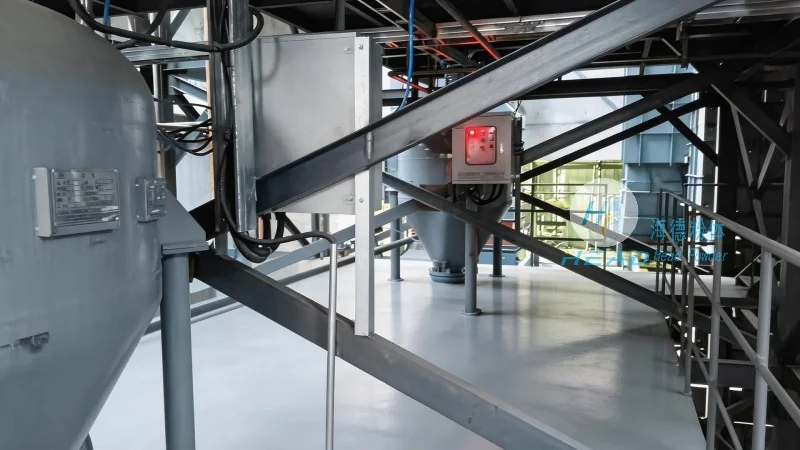
Key Differences Between Positive and Negative Pressure Modes
While both positive and negative pressure modes serve the purpose of transporting magnetic powders, they differ significantly in terms of operational principles, equipment requirements, and application suitability. The primary distinction lies in the direction of the pressure gradient and the method of material movement. Positive pressure systems rely on external pressure to push the material, whereas negative pressure systems use suction to pull the material. This fundamental difference impacts the system's efficiency, energy consumption, and the type of equipment needed. For instance, positive pressure systems typically require robust blower or compressor units capable of maintaining high pressure, while negative pressure systems need powerful vacuum pumps to generate sufficient suction. Additionally, the design of the material source and discharge points varies between the two modes. Positive pressure systems often incorporate pressure vessels and sealed hoppers to contain the material under pressure, whereas negative pressure systems use suction nozzles and sealed collection points to prevent dust emissions.
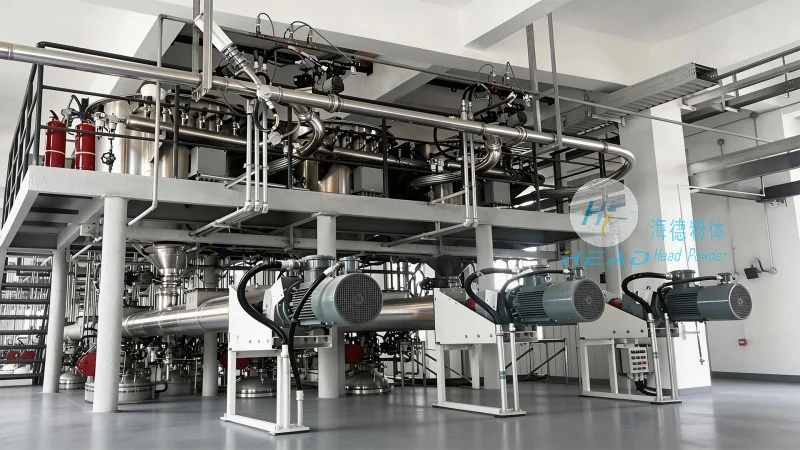
Factors Influencing the Selection of Pressure Mode
The choice between positive and negative pressure pneumatic conveying modes depends on several critical factors, including the distance between the material source and discharge point, the material's properties (such as particle size, density, and magnetic susceptibility), and the environmental requirements of the application. Long-distance conveying, typically over 100 meters, is more efficiently handled by positive pressure systems due to their ability to maintain consistent pressure and flow. Conversely, short-distance conveying, often less than 50 meters, may be more suitable for negative pressure systems, as they are simpler and more cost-effective for such applications. The material's particle size and density also play a role; for fine powders with high density, positive pressure systems may provide better control over flow rates and prevent agglomeration. On the other hand, magnetic powders with lower density and larger particle sizes might benefit from the gentle suction action of negative pressure systems, which reduces the risk of particle breakage. Environmental considerations, such as the need to minimize dust emissions, also influence the selection. Negative pressure systems are generally preferred in applications where dust containment is a priority, as they create a sealed environment that prevents particle release. However, positive pressure systems can be equipped with dust collection and filtration systems to meet environmental standards.
HeadPowder's Expertise in Magnetic Powder Pneumatic Conveying
Shandong HeadPowder Engineering Co., Ltd. leverages its extensive experience and technical expertise to design and implement customized magnetic powder pneumatic conveying solutions. The company's engineers work closely with clients to assess their specific requirements, including the type of magnetic powder, conveying distance, and operational conditions, to select the most appropriate pressure mode. By combining advanced engineering principles with practical application knowledge, HeadPowder ensures that its systems are not only efficient but also reliable and cost-effective. The company's solutions are tailored to meet the unique challenges of each application, whether it involves long-distance positive pressure conveying or short-distance negative pressure suction. HeadPowder's commitment to quality and innovation has made it a trusted partner for businesses seeking to optimize their material handling processes and enhance productivity.