Bag-opening material pneumatic conveying is a specialized method used in industrial settings to transfer bulk materials from sealed bags into processing equipment. This technology is particularly valuable for handling powders and granules that require careful and efficient handling to maintain product quality and safety. The process involves several key steps, starting with the opening of the bag, followed by the extraction of the material using air pressure, and then the transport of the material to its destination. Understanding the design principles behind this system is crucial for optimizing performance, ensuring reliability, and minimizing operational costs.
Overview of Bag-Opening Pneumatic Conveying Systems
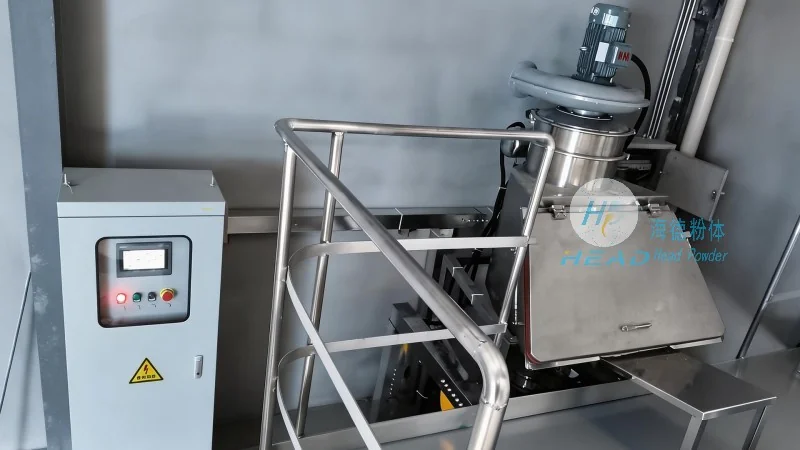
At the core of bag-opening material pneumatic conveying is a system designed to handle the transition from packaged to bulk material. The process begins with the mechanical or pneumatic opening of the bag, which allows the material to be released into a hopper or feeder. Once the material is in the hopper, it is then conveyed through a pipeline using compressed air. This method is often preferred over traditional methods like bucket elevators or belt conveyors because it offers greater flexibility, lower maintenance requirements, and the ability to handle materials that are sensitive to moisture or contamination.
Key Components and Their Functions
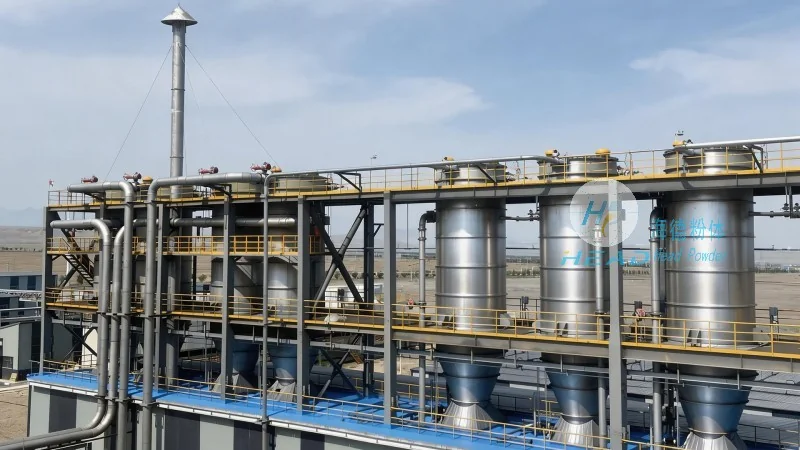
The effectiveness of a bag-opening pneumatic conveying system depends on several critical components, each playing a specific role in the overall operation. The primary components include the bag opener, the hopper or feeder, the air compressor, the conveying pipeline, and the receiver or discharge point. The bag opener is responsible for safely and efficiently opening the bag without damaging the material inside. It may use mechanical blades, pneumatic actuators, or a combination of both. The hopper or feeder ensures a consistent flow of material into the conveying system, preventing blockages and maintaining a steady supply. The air compressor provides the necessary pressure to move the material through the pipeline, with the pressure levels tailored to the specific characteristics of the material being handled. The conveying pipeline is typically made of materials like stainless steel or plastic, chosen for their resistance to corrosion and wear. Finally, the receiver or discharge point collects the material at the end of the pipeline, where it can be further processed or stored.
Design Principles for Optimal Performance
Designing an effective bag-opening pneumatic conveying system involves considering several key principles to ensure efficiency and reliability. One of the most important principles is the selection of the appropriate air velocity. The air velocity must be high enough to entrain the material particles but low enough to prevent excessive wear on the pipeline and components. This balance is crucial for maintaining the integrity of the material and the longevity of the system. Another critical principle is the design of the bag opening mechanism. The mechanism must be able to open the bag without causing damage to the material, which is especially important for delicate or sensitive powders. This often involves using gentle, controlled forces and avoiding high-speed impacts. The hopper design is also a key consideration, as it must provide a smooth transition from the bag to the pipeline, minimizing the risk of material buildup or blockages. Additionally, the system must be designed to handle variations in material flow, such as changes in bag size or material density, to ensure consistent performance over time.
Applications and Benefits in Industrial Settings
Bag-opening material pneumatic conveying is widely used in various industries, including pharmaceuticals, food processing, chemicals, and mining. In the pharmaceutical industry, for example, this technology is used to handle sensitive powders that require sterile and contamination-free handling. The system can be designed with sanitary components to meet regulatory requirements. In the food industry, it is used to transfer ingredients like flour, sugar, and spices, ensuring that the material remains clean and free from foreign particles. The benefits of this system extend beyond just material handling; it also improves operational efficiency by reducing labor costs and minimizing downtime. By automating the bag-opening and material transfer process, companies can increase their throughput and reduce the risk of human error. Furthermore, the system can be integrated with other processing equipment, creating a seamless workflow from raw material to finished product.
Challenges and Solutions in System Design
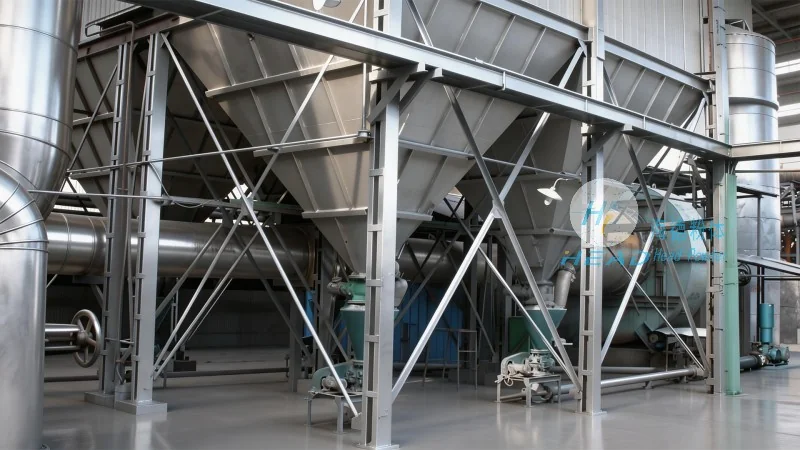
While bag-opening pneumatic conveying offers many advantages, there are also challenges that must be addressed during the design and implementation process. One common challenge is the handling of materials with high moisture content or those that are prone to clumping. These materials can cause blockages in the pipeline, leading to system downtime. To mitigate this, the system may include features like moisture control or anti-clumping agents. Another challenge is the need to handle varying bag sizes and shapes. This requires a flexible bag opening mechanism that can adapt to different bag types. Companies like Shandong HeadPowder Engineering Co., Ltd., based in China, specialize in designing and manufacturing customized solutions to address these challenges. Their expertise in material handling systems ensures that clients receive a system tailored to their specific needs, whether it's for small-scale operations or large industrial facilities.
Conclusion: The Importance of Proper Design
In conclusion, bag-opening material pneumatic conveying is a sophisticated and efficient method for handling bulk materials from sealed bags. The design principles behind this system are critical to its success, as they directly impact performance, reliability, and cost-effectiveness. By carefully selecting and integrating the key components, and adhering to best practices in system design, companies can achieve optimal results. The technology offers significant benefits, including improved product quality, reduced labor costs, and increased operational efficiency. As industrial demands continue to evolve, the importance of reliable material handling systems like this will only grow. For businesses looking to enhance their material processing capabilities, investing in a well-designed bag-opening pneumatic conveying system is a strategic decision that can provide long-term benefits and competitive advantages.




