

What is Sodium Hypochlorite Material Pneumatic Conveying? And What Are Its Design Principles?
Sodium hypochlorite, a widely used chemical in various industrial applications, often requires efficient and reliable material handling solutions. Pneumatic conveying systems offer a viable method for transporting sodium hypochlorite materials, ensuring safety, efficiency, and minimal contamination. This article explores the concept of sodium hypochlorite material pneumatic conveying and delves into the fundamental design principles that underpin such systems.
Understanding Pneumatic Conveying for Sodium Hypochlorite
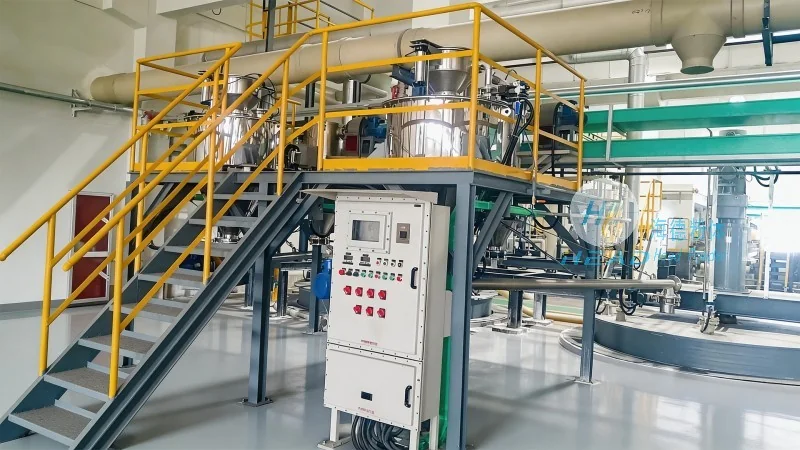
Pneumatic conveying is a process that uses pressurized air or gas to transport bulk materials through a pipeline. In the context of sodium hypochlorite, this method is particularly advantageous due to the chemical's sensitivity to moisture and the need for controlled handling. The system typically involves a source of material, a conveying line, and a receiver, with air or gas providing the force to move the material. The choice of conveying type—such as dilute phase or dense phase—depends on factors like material properties, distance, and required flow rate.
Key Design Principles for Sodium Hypochlorite Pneumatic Conveying Systems
The design of a sodium hypochlorite pneumatic conveying system must adhere to several critical principles to ensure optimal performance and safety. First, the system must be constructed from materials that are compatible with sodium hypochlorite, avoiding corrosion or chemical reactions that could compromise the material or the equipment. Stainless steel is commonly used for this purpose due to its resistance to chemical attack.
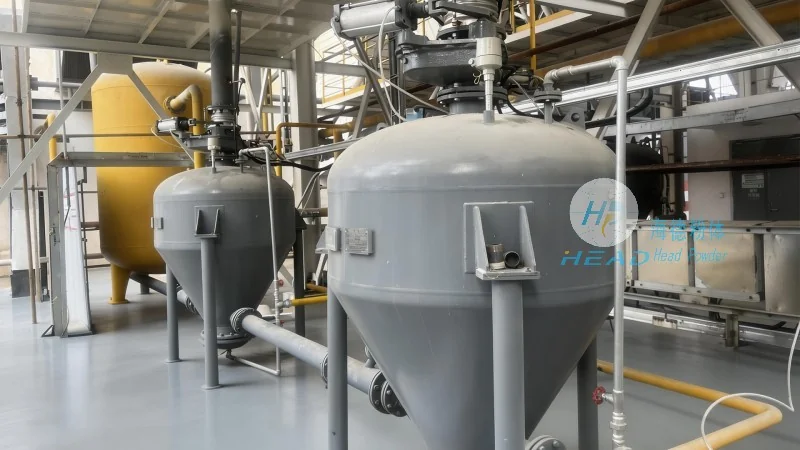
Second, the system must incorporate proper ventilation and safety measures to handle the potential hazards associated with sodium hypochlorite, including its corrosive nature and the risk of fumes. This includes the use of explosion-proof components and effective dust collection systems to maintain a safe working environment.
Components and Functionality of Pneumatic Conveying Systems
A typical sodium hypochlorite pneumatic conveying system consists of several key components. The material is fed into a hopper or feeder, which regulates the flow rate. From there, the material is introduced into a conveying line, often in conjunction with a compressor that generates the necessary air pressure. The conveying line may include components such as bends, filters, and cyclones to ensure smooth material transport and prevent blockages. The system concludes with a receiver or silo where the material is deposited.
Advantages of Pneumatic Conveying for Sodium Hypochlorite Handling
Implementing a pneumatic conveying system for sodium hypochlorite offers several benefits. It provides a closed system, minimizing exposure to the environment and reducing the risk of contamination or spills. The process is also highly efficient, allowing for continuous operation and reduced labor costs. Additionally, pneumatic conveying can handle a wide range of material sizes and flow rates, making it adaptable to various industrial needs.
Considerations for Design and Implementation
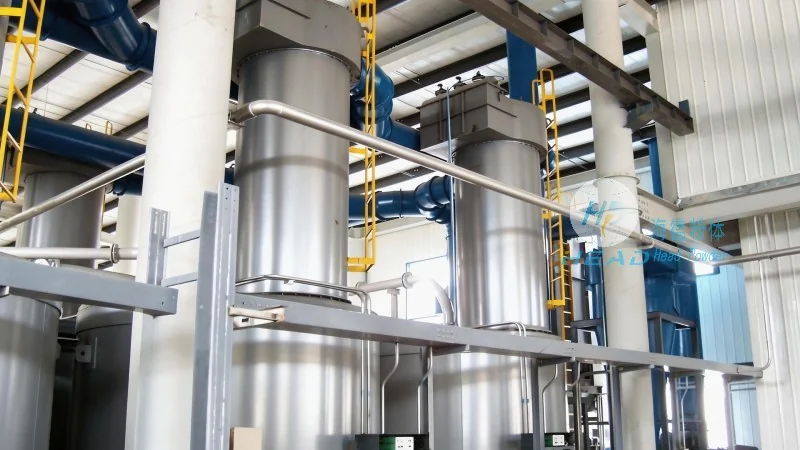
When designing a sodium hypochlorite pneumatic conveying system, several factors must be considered. The distance and layout of the conveying line are crucial, as they impact the required air pressure and system components. The material's properties, such as particle size, density, and moisture content, also influence the system's design. Furthermore, the system must comply with local regulations and safety standards to ensure operational compliance.
Conclusion
Sodium hypochlorite material pneumatic conveying is a sophisticated and effective method for handling this important chemical. By adhering to proper design principles and utilizing appropriate components, such systems can ensure safe, efficient, and reliable material transport. As a leading provider in this field, Shandong HeadPowder Engineering Co., Ltd., commonly known as HeadPowder, specializes in designing and implementing customized pneumatic conveying solutions tailored to the specific needs of clients. With a focus on safety, efficiency, and compliance, our company ensures that each system is engineered to meet the unique requirements of sodium hypochlorite handling, providing reliable and effective material transport solutions. Based in Shandong, China, HeadPowder leverages its expertise to deliver high-quality pneumatic conveying systems that enhance operational performance and reduce risks associated with material handling.