For industries dealing with pectin powder, efficient and reliable material handling is crucial. The design of a pneumatic conveying system for pectin powder involves careful consideration of several factors to ensure optimal performance, safety, and cost-effectiveness. This article explores the key aspects of designing such a system, highlighting the expertise of Shandong HeadPowder Engineering Co., Ltd., a leading provider in the field.
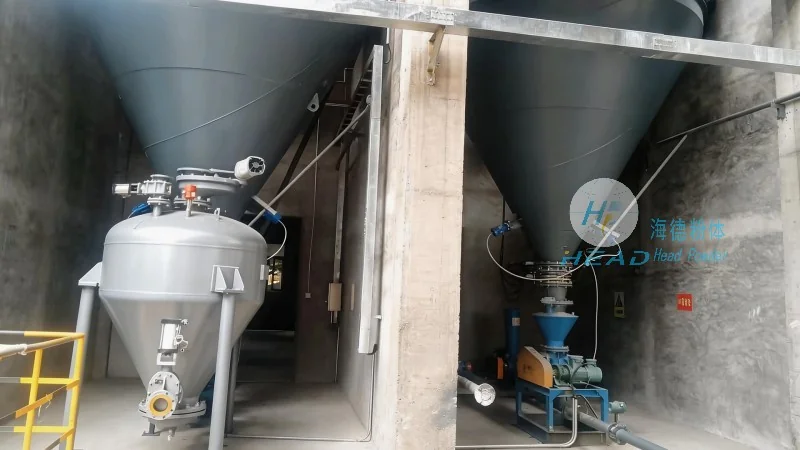
Introduction to Pectin Powder Pneumatic Conveying Systems
Pectin powder, a widely used food additive and industrial ingredient, requires specialized handling due to its fine particle size and hygroscopic properties. Traditional methods like manual conveying or bucket elevators may lead to dust accumulation, product degradation, and operational inefficiencies. Pneumatic conveying systems offer a solution by transporting the powder through a pressurized air stream, minimizing contact with external elements and maintaining product integrity. The design of these systems must balance the need for high conveying capacity with the preservation of the powder's quality and the safety of the operating environment.
Company Overview: Shandong HeadPowder Engineering Co., Ltd.
Shandong HeadPowder Engineering Co., Ltd., operating under the brand name headpowder, is a professional engineering firm based in Shandong, China. With years of experience in the chemical and food processing industries, the company specializes in the design, manufacturing, and installation of pneumatic conveying systems tailored to the unique requirements of pectin powder and other fine powders. Their team of engineers and technicians leverages advanced technology and industry best practices to deliver customized solutions that meet stringent quality and safety standards.
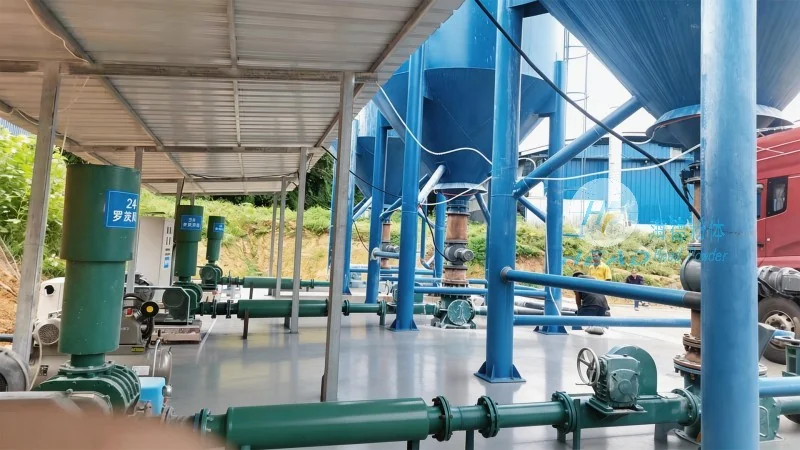
Key Design Considerations for Pectin Powder Pneumatic Conveying
The successful design of a pectin powder pneumatic conveying system depends on several critical factors. First, the material's physical properties, such as particle size distribution, density, and moisture content, must be thoroughly analyzed. These characteristics influence the selection of the conveying method—whether it's a pressure or vacuum system—and the appropriate air velocity and pressure levels. Second, the system layout must consider the source and destination points, ensuring minimal vertical and horizontal distance to reduce energy consumption and prevent particle segregation. Third, the choice of materials for components like hoppers, pipelines, and valves is essential to prevent corrosion or contamination, especially since pectin powder is sensitive to moisture and temperature changes. Additionally, safety features such as dust collection systems, explosion-proof designs, and emergency shut-off mechanisms are integral to the design to comply with industrial safety regulations.
Material Handling Challenges and Solutions in Pectin Powder Processing
Pectin powder processing presents unique challenges that traditional handling methods often struggle to address. One major challenge is the risk of dust explosion, which can occur when fine powders are suspended in air under certain conditions. To mitigate this risk, the design incorporates explosion-proof components and effective dust suppression systems. Another challenge is the potential for product agglomeration or caking, which can block pipelines and reduce system efficiency. Solutions include the use of inline mixers, vibration devices, and controlled temperature and humidity levels to maintain the powder's flowability. Furthermore, the system must be designed to handle variations in feed rate and particle size, ensuring consistent performance even under fluctuating operating conditions. The integration of these solutions into the overall design demonstrates the expertise of headpowder in addressing complex material handling issues.
Technical Specifications and Performance Metrics
The technical specifications of a pectin powder pneumatic conveying system are tailored to meet specific operational requirements. Key parameters include the conveying capacity, which can range from a few kilograms per hour to several tons per hour depending on the application. The system's pressure or vacuum levels are determined by the distance and elevation changes between the source and destination. For example, a pressure system might operate at 0.5 to 1.5 bar, while a vacuum system could be set between -0.5 to -1.0 bar. The air velocity in the pipeline is typically maintained between 20 to 30 m/s to ensure efficient particle transport without causing excessive wear on components. Performance metrics such as the system's efficiency (measured as the ratio of actual to theoretical conveying capacity), energy consumption per ton of material, and product recovery rate are critical indicators of its effectiveness. These metrics are continuously monitored and optimized to ensure the system operates at peak performance and meets the client's operational goals.
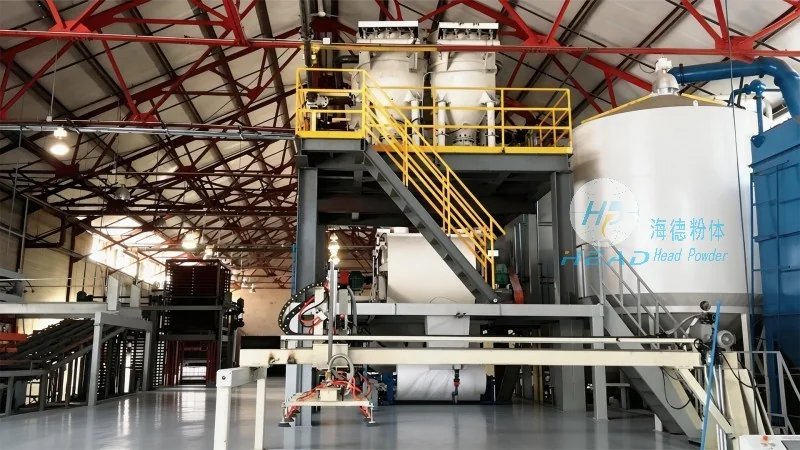
Application Scenarios and Industry Benefits
Pectin powder pneumatic conveying systems are widely used in various industries, including food processing, pharmaceuticals, and chemical manufacturing. In the food industry, these systems are employed in the production of jams, jellies, and other pectin-based products, where maintaining product purity and preventing contamination is paramount. The pharmaceutical sector utilizes such systems for the handling of pectin as an excipient or active ingredient in formulations, requiring strict adherence to GMP (Good Manufacturing Practice) standards. The chemical industry may use them for the transport of pectin-based additives in industrial processes. The benefits of implementing a well-designed pneumatic conveying system include improved product quality, reduced labor costs, enhanced safety, and increased operational efficiency. By minimizing manual handling and dust exposure, the system also contributes to a healthier work environment and compliance with environmental regulations. The long-term cost savings from reduced maintenance and increased system uptime further justify the investment in a high-quality pneumatic conveying solution.
Conclusion and Future Directions
In conclusion, the design of a pectin powder pneumatic conveying system is a complex but essential process that requires a deep understanding of material properties, system dynamics, and industrial standards. Shandong HeadPowder Engineering Co., Ltd. leverages its expertise to develop customized solutions that address the unique challenges of pectin powder handling. By focusing on key design considerations, addressing material handling challenges, and optimizing technical specifications, the company ensures that its pneumatic conveying systems deliver reliable performance and contribute to the success of its clients' operations. As technology advances, future developments may include the integration of automation and IoT (Internet of Things) sensors to enhance real-time monitoring and predictive maintenance, further improving the efficiency and sustainability of pectin powder processing. The continued innovation in pneumatic conveying technology will undoubtedly play a vital role in supporting the growth and sustainability of industries relying on pectin powder as a key ingredient.




