

What is a Lithium-Ion Battery Nanomaterial Powder Pneumatic Conveying Machine? And What Are Its Desi
At Shandong HeadPowder Engineering Co., Ltd., we specialize in advanced solutions for the handling and transportation of nanomaterial powders, particularly in the context of lithium-ion battery manufacturing. A key component in this field is the lithium-ion battery nanomaterial powder pneumatic conveying machine, which plays a crucial role in ensuring efficient and safe material transport within production lines. This article explores the fundamental aspects of such machines, including their design principles and operational applications.
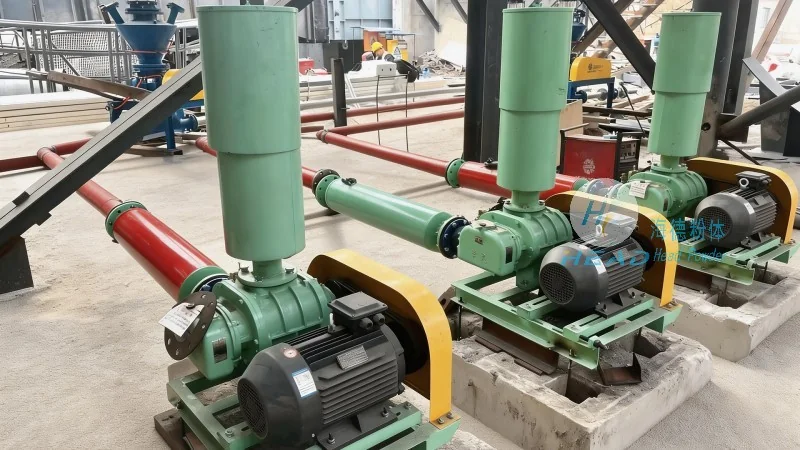
HeadPowder, as a leading manufacturer in the powder handling industry, has developed these pneumatic conveying systems to meet the stringent requirements of modern lithium-ion battery production. The company, based in Shandong, China, leverages decades of expertise to create equipment that enhances productivity, reduces material loss, and maintains high purity standards essential for battery performance. Understanding the role and design of these machines is vital for anyone involved in the battery manufacturing process.
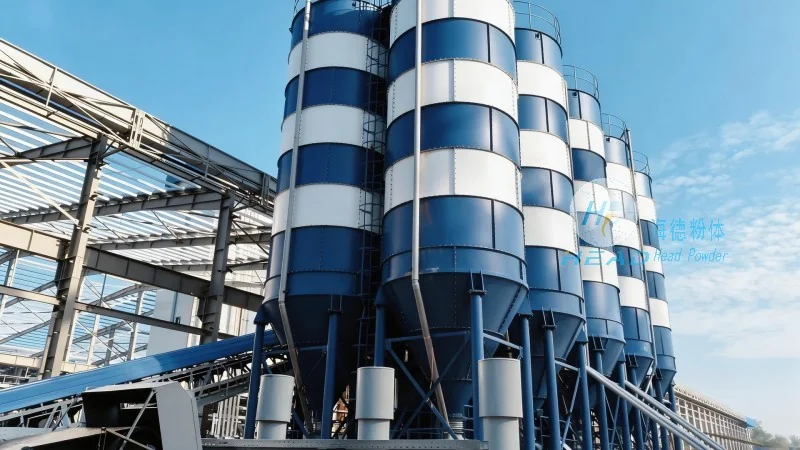
What Is a Pneumatic Conveying Machine for Lithium-Ion Battery Nanomaterials?
A pneumatic conveying machine, specifically designed for lithium-ion battery nanomaterial powders, is a system that uses compressed air to transport fine powders from one location to another. Unlike traditional mechanical conveyors, which rely on belts or screws, pneumatic systems offer several advantages in handling delicate nanomaterials. These include minimal particle degradation, low contamination risk, and the ability to transport materials over long distances without the need for multiple transfer points. The core components of such a machine typically include a hopper for material storage, a conveying line (often with a venturi or rotary valve), and a receiver for the delivered material. The system operates by creating a pressure differential, where compressed air draws the powder particles into the line and propels them to the destination.
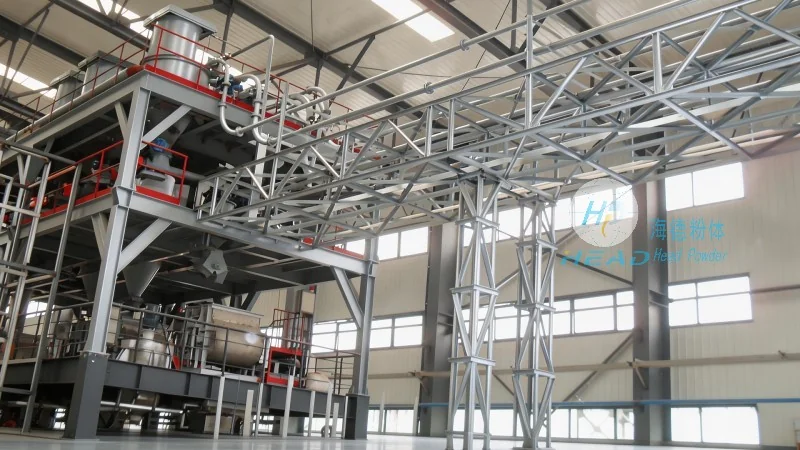
Design Principles of Lithium-Ion Battery Nanomaterial Powder Pneumatic Conveying Machines
The design of a lithium-ion battery nanomaterial powder pneumatic conveying machine is tailored to the unique properties of the materials being handled. Key design principles include:
- Material Compatibility: The machine's components, such as the hopper and conveying line, are constructed from materials that are resistant to corrosion and do not react with the nanomaterials. For example, stainless steel or specialized polymers are often used to prevent contamination and ensure the integrity of the powder.
- Pressure and Flow Control: Precise control of air pressure and flow rate is critical to maintain consistent material transport. The system is designed to handle the specific density and particle size of nanomaterials, preventing issues like clogging or uneven flow. This is achieved through adjustable valves and pressure regulators that allow operators to optimize the conveying process for different material types.
- Purity and Contamination Prevention: In lithium-ion battery production, even trace contaminants can affect battery performance. The design incorporates features like sealed hoppers and filtered air systems to minimize the risk of external contamination. Additionally, the conveying line is often equipped with cleaning mechanisms to remove any residual powder, ensuring that the next batch of material is handled with the highest purity.
- Energy Efficiency: Modern pneumatic conveying machines are designed to be energy-efficient, reducing operational costs for manufacturers. This includes using optimized air flow rates and minimizing pressure losses in the conveying line. The design also considers the overall system layout to reduce the number of components and improve maintenance accessibility.
Benefits of Using Pneumatic Conveying for Lithium-Ion Battery Nanomaterials
Implementing a lithium-ion battery nanomaterial powder pneumatic conveying machine offers several benefits for battery manufacturers:
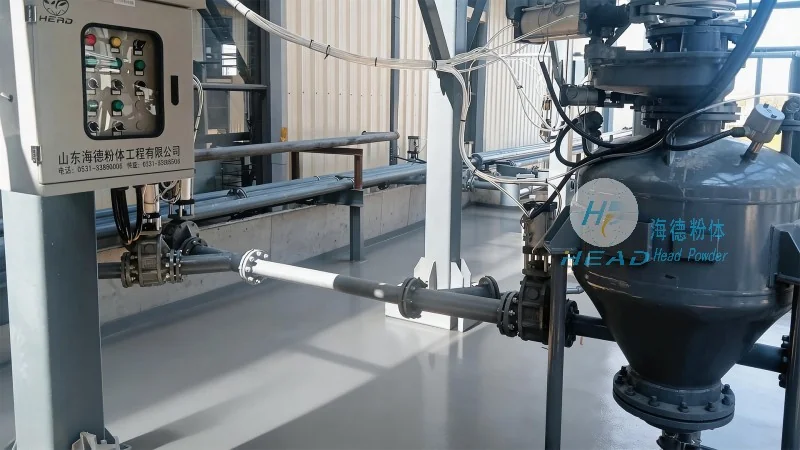
- Enhanced Productivity: The system allows for continuous, high-volume material transport, reducing downtime and increasing overall production throughput. This is particularly important in high-speed battery manufacturing lines where efficiency is critical.
- Improved Material Handling: Pneumatic systems are ideal for handling fine, abrasive, or sensitive nanomaterials that may be damaged by mechanical conveyors. The gentle transport method preserves the material's properties, ensuring consistent battery performance.
- Space Efficiency: Unlike traditional conveyors that require extensive floor space, pneumatic systems can be installed vertically or horizontally, making them suitable for compact production environments. This allows manufacturers to optimize their facility layout and maximize available space.
- Reduced Labor and Maintenance: Automated pneumatic conveying systems reduce the need for manual handling, minimizing labor costs and the risk of human error. Additionally, the design of these machines, with easy access to components, simplifies maintenance and reduces downtime for repairs.
Conclusion
For manufacturers in the lithium-ion battery industry, the lithium-ion battery nanomaterial powder pneumatic conveying machine is an essential piece of equipment that enhances operational efficiency and product quality. Developed by companies like Shandong HeadPowder Engineering Co., Ltd., these systems are designed with precision to handle the unique challenges of nanomaterial transport. By understanding the design principles and benefits of such machines, battery manufacturers can make informed decisions to improve their production processes and meet the growing demand for high-performance lithium-ion batteries.