

Working Principle and Features of Cement Fly Ash Powder Pneumatic Conveying Equipment
For industrial applications involving the transport of cement and fly ash powders, efficient and reliable pneumatic conveying systems are essential. This article explores the working principle and key features of the cement fly ash powder pneumatic conveying equipment offered by Shandong HeadPowder Engineering Co., Ltd., a leading manufacturer in China.
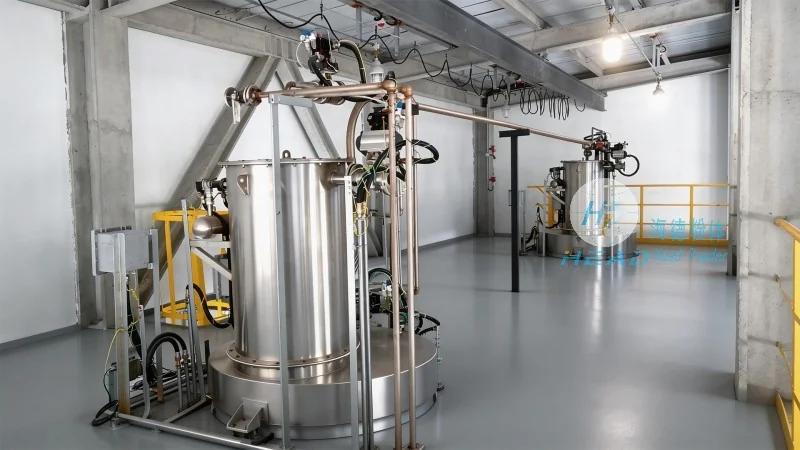
Overview of Pneumatic Conveying Technology
Pneumatic conveying systems utilize air or gas to transport bulk materials like cement and fly ash from one location to another. Unlike traditional mechanical conveying methods, these systems offer advantages such as reduced material degradation, lower maintenance requirements, and the ability to handle a wide range of particle sizes and moisture contents. The equipment typically consists of a hopper, a conveyor line, and a control system that regulates the flow of material and air.
Working Principle of the Equipment
The core of the cement fly ash powder pneumatic conveying equipment operates on the principle of air suspension. When material is introduced into the hopper, a fan or blower generates a high-velocity airflow. This airflow lifts the powder particles and propels them through the conveyor line to the destination point. The system can be designed as either a positive pressure (pressure) or negative pressure (vacuum) system, depending on the specific application requirements. In a positive pressure system, air is forced into the conveying line, while a negative pressure system draws air and material through the line using a vacuum pump.
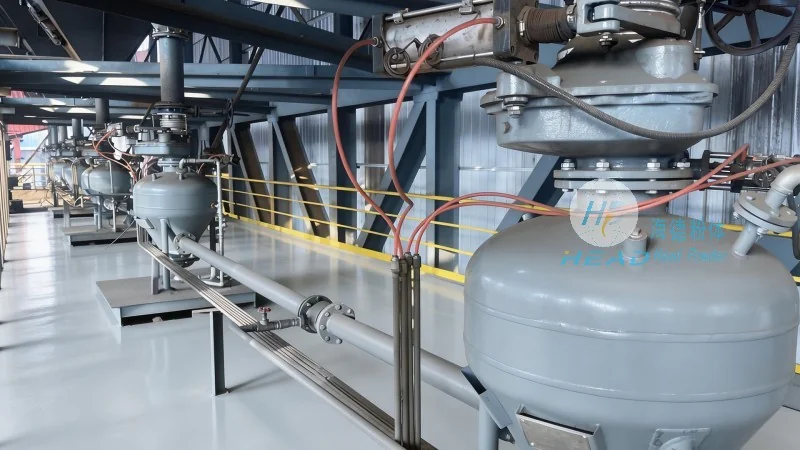
Key Features and Advantages
Shandong HeadPowder Engineering Co., Ltd.'s cement fly ash powder pneumatic conveying equipment is engineered with several key features that enhance performance and reliability. One notable feature is the adjustable air flow control, which allows operators to optimize the conveying rate based on material characteristics and system constraints. The equipment also incorporates a material separation system to prevent blockages and ensure smooth operation. Additionally, the design incorporates corrosion-resistant materials and components, making it suitable for handling aggressive cement and fly ash mixtures. The system's compact footprint and modular construction enable easy installation and integration into existing industrial facilities.
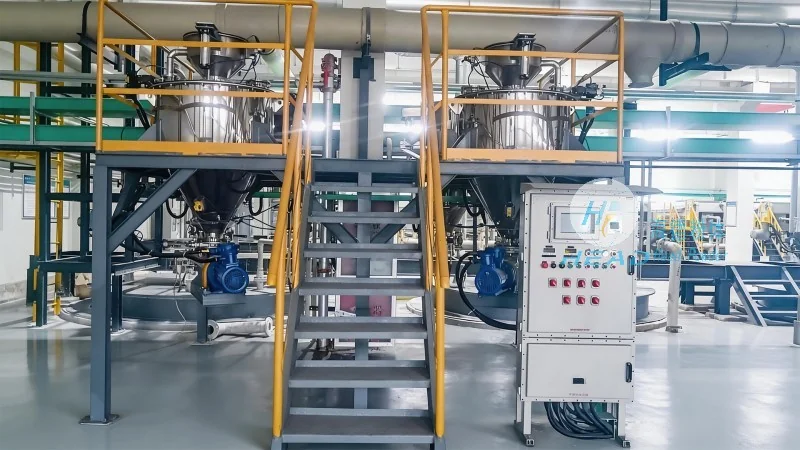
Application Considerations
When selecting a pneumatic conveying system for cement and fly ash applications, several factors must be considered. The particle size distribution, moisture content, and bulk density of the material are critical parameters that influence system design. For example, fine powders may require higher air velocities to prevent settling, while coarser materials may benefit from larger conveying line diameters. The distance and elevation change between the source and destination points also impact the choice of system type and power requirements. Proper system sizing and material testing are essential to ensure optimal performance and minimize operational costs.
Conclusion
Cement and fly ash powder pneumatic conveying equipment from Shandong HeadPowder Engineering Co., Ltd. represents a robust solution for efficient material transport in industrial settings. By leveraging advanced pneumatic conveying technology, these systems offer reliable performance, reduced maintenance, and adaptability to various material characteristics. With its focus on quality and innovation, HeadPowder continues to provide tailored solutions that meet the diverse needs of its clients in China and beyond.