

Working Principle and Features of Pneumatic Conveying Equipment for Graphene Powder
Graphene powder, a high-performance material renowned for its exceptional mechanical strength, electrical conductivity, and thermal stability, is increasingly utilized across diverse industrial sectors, including electronics, composites, and energy storage. The efficient and reliable transportation of such fine, delicate powders is paramount to maintaining product quality and optimizing production processes. Pneumatic conveying equipment emerges as a sophisticated solution, leveraging compressed air to transport graphene powder through a sealed pipeline system. This method not only minimizes product degradation but also ensures a clean, dust-free operation, making it ideal for high-value applications. This article delves into the fundamental working principle and distinctive features of pneumatic conveying equipment tailored for graphene powder, providing a comprehensive understanding of its functionality and benefits.
The Working Principle of Pneumatic Conveying Equipment for Graphene Powder
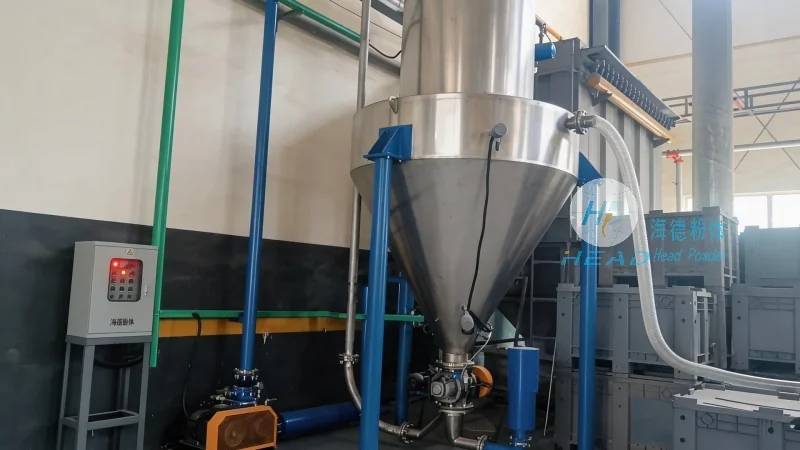
The operation of pneumatic conveying equipment for graphene powder is based on the principle of air suspension, where compressed air is used to lift and transport the powder particles. The process typically involves several interconnected components and sequential steps. Initially, the graphene powder is stored in a hopper or feeder, which regulates the flow rate to prevent overloading or underflow. The feeder may include a rotary valve or a vibratory mechanism to ensure a consistent and controlled discharge of the powder. Next, a blower or compressor generates compressed air, which is introduced into the pipeline at a controlled pressure and flow rate. The air velocity is critical; it must be sufficient to keep the graphene particles suspended in the air stream, preventing them from settling or agglomerating. For fine powders like graphene, positive pressure systems are generally preferred over negative pressure systems. Positive pressure systems use air to "blow" the powder forward, reducing the risk of particle breakage and maintaining the material's integrity. The air is then mixed with the powder in a conveying line, which may include bends, expansions, or filters to manage the flow. The system typically includes a filter to remove any dust or contaminants from the air, ensuring the purity of the conveyed material. Finally, the powder is deposited into a receiver or storage vessel at the destination. The entire process is governed by precise control of air pressure, flow rate, and powder feed rate, which are adjusted based on the specific characteristics of the graphene powder, such as particle size, density, and moisture content. This controlled approach ensures efficient and reliable transport, minimizing the risk of blockages, clogging, or product loss.
Key Features of Pneumatic Conveying Equipment for Graphene Powder
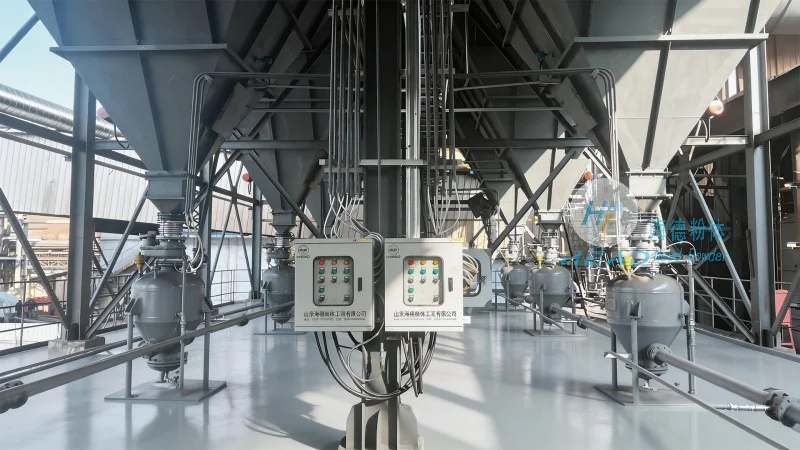
The pneumatic conveying equipment designed for graphene powder incorporates several key features that enhance its performance, safety, and adaptability. One of the most significant features is its ability to handle delicate and abrasive materials without causing damage. Graphene powder is extremely fine and prone to agglomeration, which can lead to reduced performance in end products. Pneumatic systems use air to suspend the particles, reducing friction and impact forces, thus preserving the powder's structural integrity and preventing particle breakage. Another critical feature is the precise control over air pressure and flow rate. Advanced control systems, including sensors and adjustable valves, allow operators to monitor and adjust these parameters in real-time. This flexibility ensures that the system operates optimally for different powder characteristics, maintaining a stable suspension and preventing clogging or excessive air consumption. The equipment also prioritizes cleanliness and contamination control. Smooth, non-stick surfaces and easy-to-access components facilitate thorough cleaning, preventing cross-contamination between batches. Additionally, air filtration systems are integrated to remove any fine particles from the exhaust air, ensuring compliance with environmental regulations and maintaining a dust-free working environment. Safety features are also integral, with pressure relief valves and emergency shut-off mechanisms to prevent over-pressurization and ensure safe operation. These features collectively make the pneumatic conveying equipment a robust and reliable solution for transporting graphene powder, supporting the high standards required in modern industrial applications.
Application Considerations and Practical Benefits
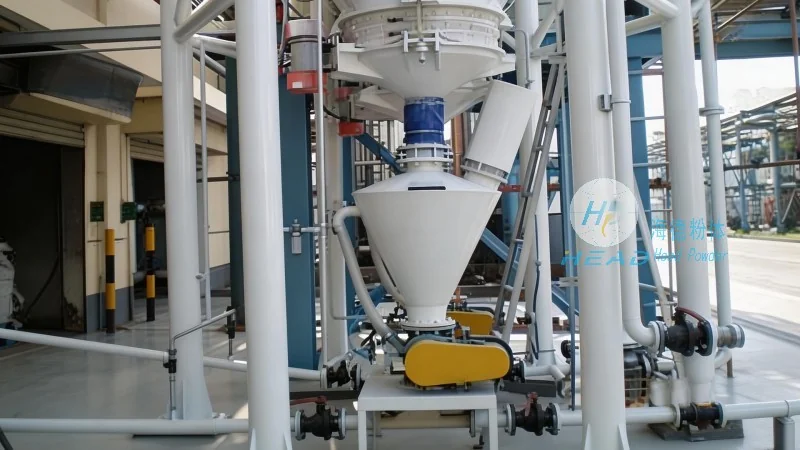
When implementing pneumatic conveying equipment for graphene powder, several practical considerations must be addressed to maximize efficiency and effectiveness. The first is the selection of the appropriate system type based on the application's distance, layout, and material properties. For short-distance transport within a facility, a simple positive pressure system may suffice. However, for longer distances or complex routes involving multiple destinations, a combination of positive and negative pressure stages (known as a "dual-stage" system) may be required to maintain sufficient air pressure and prevent energy loss. The system design should also account for the specific handling requirements of the graphene powder, such as its tendency to form static charges. Anti-static measures, including grounding and ionization systems, are often integrated to prevent particle buildup and ensure smooth flow. Another consideration is the integration with existing production lines. The equipment should be compatible with the current infrastructure, including the air supply, power, and processing equipment. This ensures a seamless transition and minimal disruption to production schedules. The practical benefits of using pneumatic conveying for graphene powder are substantial. It offers a clean and efficient method of transport, eliminating the need for manual handling and reducing the risk of product spillage or contamination. Unlike bulk handling methods, pneumatic systems prevent dust exposure, which is crucial for maintaining the purity of the material and ensuring worker safety. Additionally, the ability to transport the powder in a controlled manner allows for better quality control, as the material can be monitored and adjusted during the conveying process. This leads to consistent product quality and reduced waste. The system also enhances overall process efficiency by integrating with other processing steps, such as mixing or coating, to create a continuous production flow. This integration reduces labor costs and improves throughput, making it a cost-effective solution for high-volume graphene powder applications. Overall, the use of pneumatic conveying equipment for graphene powder provides a reliable, efficient, and safe solution for industrial applications, supporting the growing demand for this versatile material in various sectors.