

[W]Working Principle and Features of Hydrogen Sulfide Powder Pneumatic Conveying Equipment
Hydrogen sulfide (H₂S) is a highly toxic and corrosive gas commonly encountered in industrial processes, particularly in the chemical, petroleum, and mining sectors. The safe and efficient handling of H₂S powder is crucial for industrial operations to ensure worker safety and maintain process integrity. Pneumatic conveying systems have emerged as a reliable solution for transporting H₂S powder over long distances or within complex process layouts. This article explores the working principle and key features of hydrogen sulfide powder pneumatic conveying equipment, highlighting how such systems enhance safety and operational efficiency in industrial applications.
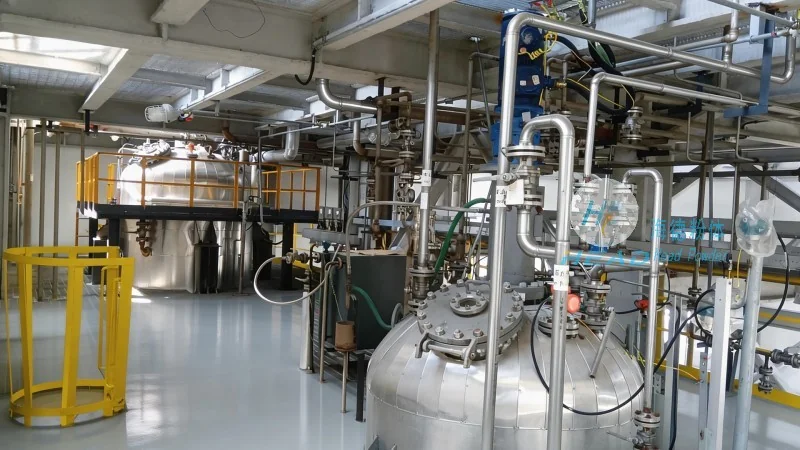
Understanding the Working Principle of Hydrogen Sulfide Powder Pneumatic Conveying Systems
The core of hydrogen sulfide powder pneumatic conveying equipment lies in its ability to transport solid particles using a pressurized or vacuum air stream. The system typically operates through either positive pressure or negative pressure (suction) methods, depending on the specific application requirements. In a positive pressure system, air is blown into the conveying line, creating a pressure differential that propels the powder from the source to the destination. Conversely, a negative pressure system draws air and powder from the source using a vacuum, pulling the material through the line. The choice between these methods depends on factors such as the distance to be covered, the nature of the powder (e.g., particle size, moisture content), and the overall system layout.
At the heart of the system is the conveying line, which is usually made of corrosion-resistant materials like stainless steel or special alloys to withstand the aggressive nature of H₂S. The line is equipped with components such as feeders, airlocks, and filters to ensure consistent and controlled flow of the powder. The feeder, often a rotary valve or a screw feeder, introduces the H₂S powder into the conveying line at a controlled rate, preventing blockages and maintaining a steady flow. Airlocks are used to isolate sections of the line, preventing backflow and ensuring that the powder moves in a single direction. Filters are critical for capturing any fine particles and preventing them from escaping into the environment, which is essential for compliance with environmental regulations and worker safety.
Key Features of Hydrogen Sulfide Powder Pneumatic Conveying Equipment
Hydrogen sulfide powder pneumatic conveying equipment is designed with several key features that enhance its performance, safety, and reliability. One of the most important features is its corrosion resistance. Since H₂S is highly corrosive, the equipment must be constructed from materials that can withstand prolonged exposure to the gas and any moisture it may carry. Stainless steel, particularly 316L, is commonly used for the conveying line and other components due to its excellent resistance to corrosion and its ability to maintain structural integrity over time.
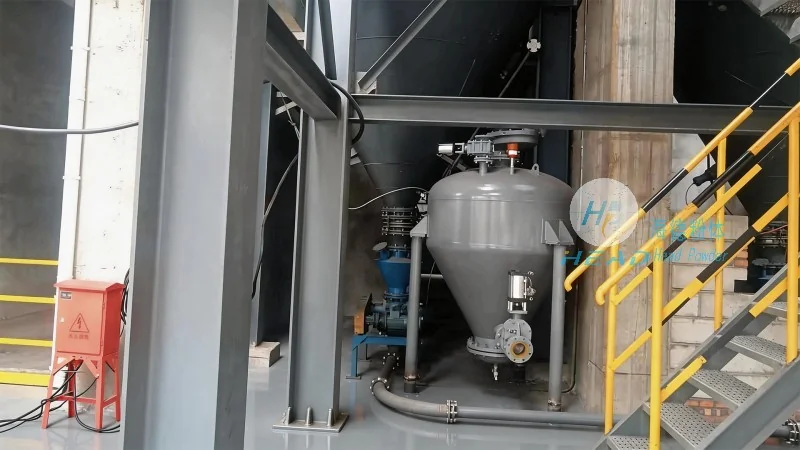
Another critical feature is the seal and leak prevention system. H₂S is a toxic gas, and any leaks can pose severe health risks. The equipment incorporates robust sealing mechanisms, such as double-seal airlocks and positive pressure containment, to minimize the risk of gas leakage. These seals are designed to maintain a tight closure, even under varying pressure conditions, ensuring that the gas remains contained within the system and does not escape into the workplace environment.
The system also includes automatic control and monitoring capabilities. Modern hydrogen sulfide powder pneumatic conveying equipment is equipped with sensors and control systems that monitor parameters such as pressure, flow rate, and temperature. These sensors provide real-time data, allowing operators to detect any anomalies or potential issues before they escalate into safety hazards. For example, if the pressure in the conveying line drops unexpectedly, the system can trigger an alarm or automatically adjust the feeder speed to maintain optimal operation. This level of automation enhances operational efficiency and reduces the risk of human error.
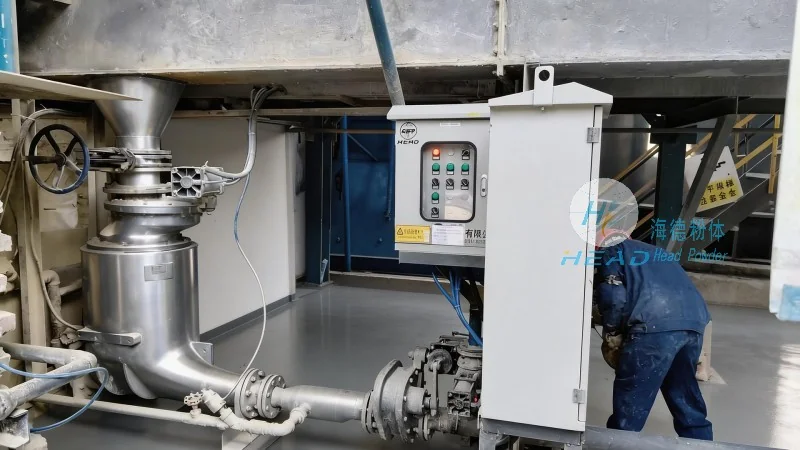
Furthermore, the equipment is designed for flexibility and adaptability. It can be configured to handle different powder characteristics, such as varying particle sizes, moisture levels, or bulk densities. The system can be adjusted to accommodate changes in production rates or process requirements without significant modifications. This flexibility makes it suitable for a wide range of industrial applications, from small-scale laboratory operations to large-scale industrial plants.
Company Information: Shandong HeadPowder Engineering Co., Ltd.
Shandong HeadPowder Engineering Co., Ltd., commonly known as HeadPowder, is a leading manufacturer of specialized pneumatic conveying equipment for hazardous materials, including hydrogen sulfide powder. The company is headquartered in Shandong, China, and has established a strong reputation for delivering high-quality, reliable, and safe equipment tailored to the unique needs of industrial clients. HeadPowder's expertise lies in designing and manufacturing equipment that meets stringent safety and environmental standards, ensuring that clients can operate their processes with confidence and compliance.
With a focus on innovation and customer satisfaction, HeadPowder invests in research and development to improve the performance and efficiency of its products. The company adheres to international quality standards and provides comprehensive support, including installation, maintenance, and technical assistance, to ensure that clients can maximize the lifespan and performance of their equipment. By leveraging advanced materials and engineering techniques, HeadPowder delivers solutions that enhance safety, reduce operational costs, and improve overall process efficiency for its clients in the chemical, petroleum, and mining industries.