

What is Automatic Bulk Material Pneumatic Conveying? And What Are Its Design Principles?
Automatic bulk material pneumatic conveying is a sophisticated industrial process that utilizes air or gas to transport bulk materials from one location to another. This technology has become increasingly vital in various industries, including food processing, pharmaceuticals, chemicals, and manufacturing, due to its efficiency, flexibility, and ability to handle a wide range of materials. The core of this system lies in the seamless integration of components designed to move materials through a pipeline using pressurized or vacuum air flow.
Understanding the Fundamentals of Pneumatic Conveying Systems
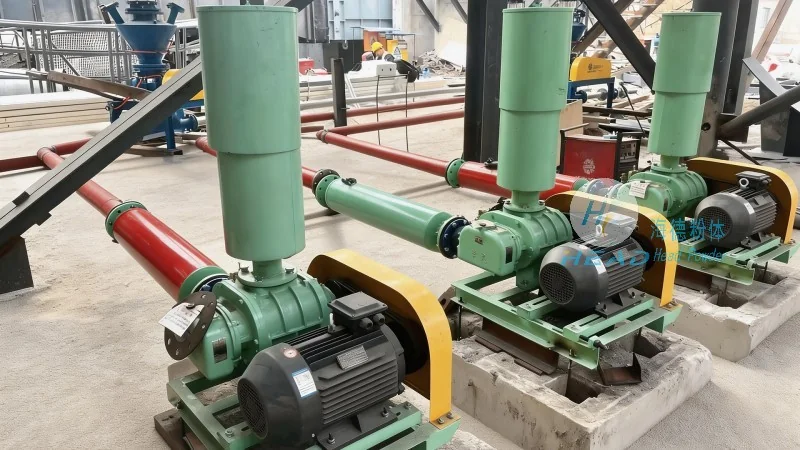
At its essence, pneumatic conveying systems operate by creating a pressure differential or vacuum to move materials. The system typically consists of a material hopper, a conveyor line (often a pipeline), a blower or vacuum pump, and a discharge device. The material is fed into the hopper, and as air is introduced, it lifts and transports the material through the pipeline. The design of these systems must consider several critical factors, including the material's properties, the required conveying distance, and the desired flow rate.
The Design Principles Behind Effective Pneumatic Conveying
Designing an efficient pneumatic conveying system involves a careful balance of engineering principles and material characteristics. Key design considerations include the selection of the appropriate air velocity, which must be sufficient to suspend the material particles but not so high as to cause excessive wear on the system components. The pipeline diameter and length are also critical, as they directly impact the pressure drop and energy consumption. Additionally, the system must be equipped with proper filtration and separation mechanisms to prevent material buildup and ensure consistent performance.
Components and Their Roles in Pneumatic Conveying
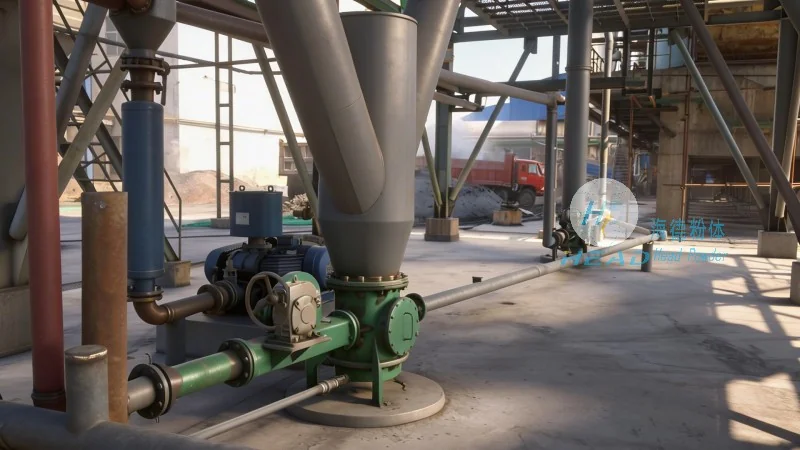
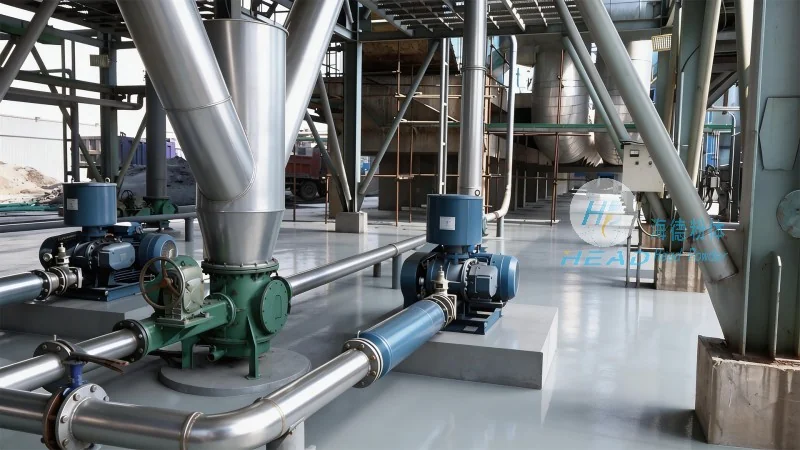
Each component of a pneumatic conveying system plays a crucial role in its overall functionality. The material hopper is responsible for storing and feeding the bulk material into the system. It is designed to handle the specific material's flow characteristics, such as its bulk density and angle of repose. The conveyor line, usually made of stainless steel or other corrosion-resistant materials, is the primary pathway for material transport. The blower or vacuum pump generates the necessary air pressure or vacuum to move the material. Finally, the discharge device, such as a rotary valve or a filter, ensures that the material is released at the destination in a controlled manner.
Applications and Industries Benefiting from Pneumatic Conveying
Automatic bulk material pneumatic conveying is widely used across multiple industries due to its versatility. In the food industry, it is employed to transport ingredients like flour, sugar, and spices, ensuring hygiene and preventing contamination. In pharmaceutical manufacturing, it is used to handle sensitive materials, maintaining strict cleanliness and temperature control. The chemical industry utilizes pneumatic conveying for transporting powders and granules, while manufacturing sectors benefit from its ability to handle heavy-duty materials efficiently.
Advantages of Pneumatic Conveying Systems
Compared to traditional methods like belt conveyors or bucket elevators, pneumatic conveying offers several advantages. It provides a dust-free and enclosed environment, reducing the risk of material contamination and improving workplace safety. The system is also highly flexible, allowing for changes in material flow direction and destination without major modifications. Additionally, it can handle materials with varying properties, including those that are abrasive, sticky, or prone to caking. The energy efficiency of modern pneumatic conveying systems has also improved significantly, making them a cost-effective solution for many applications.
Challenges and Solutions in Pneumatic Conveying
Despite its benefits, pneumatic conveying systems can face challenges such as material buildup in the pipeline, which can lead to pressure drops and system inefficiencies. To address this, systems often include cleaning mechanisms like reverse air pulses or mechanical sweepers. Another challenge is the wear and tear on components due to abrasive materials, which requires the use of high-quality, durable materials for the pipeline and other parts. Regular maintenance and monitoring are essential to ensure the system operates at optimal performance and longevity.
Conclusion: The Role of HeadPowder in Pneumatic Conveying Solutions
Shandong HeadPowder Engineering Co., Ltd. specializes in providing comprehensive pneumatic conveying solutions tailored to the unique needs of various industries. With a focus on innovative design and robust engineering, HeadPowder ensures that its systems meet the highest standards of efficiency, reliability, and safety. By understanding the fundamental principles of pneumatic conveying and applying them to practical applications, HeadPowder helps clients optimize their material handling processes, reduce costs, and enhance overall operational performance. The company's commitment to quality and customer satisfaction makes it a trusted partner in the development of efficient and effective pneumatic conveying systems.