

What is Long-Distance Material Pneumatic Conveying? What Are Its Design Principles?
Long-distance material pneumatic conveying is a sophisticated industrial process that involves transporting bulk materials through a pipeline using a stream of air or other gas. This method has become increasingly popular in various industries due to its efficiency, flexibility, and ability to handle a wide range of materials over extended distances. Understanding the fundamentals of this technology, as well as its design principles, is crucial for anyone involved in material handling and process engineering.
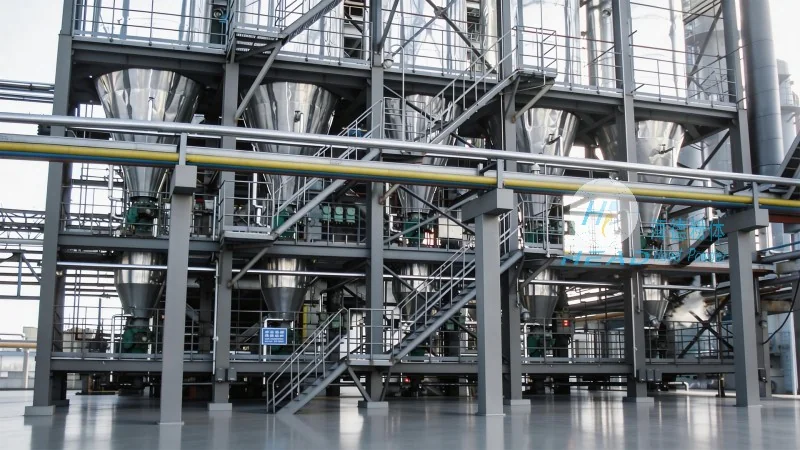
Introduction to Long-Distance Pneumatic Conveying
At its core, pneumatic conveying systems transport solid materials by suspending them in a moving gas stream. The system typically consists of a source of material, a conveying line, a gas source (often a blower or compressor), and a receiver where the material is deposited. The key advantage of this method lies in its ability to move materials without mechanical contact, reducing wear and tear on equipment and minimizing the risk of contamination. This makes it particularly suitable for handling sensitive or abrasive materials, as well as those that are difficult to transport using traditional methods like belt conveyors or bucket elevators.
How Pneumatic Conveying Works
The operation of a long-distance pneumatic conveying system can be broken down into several key stages. First, the material is introduced into the system, often from a hopper or feeder. The material is then accelerated by the gas stream, which can be either positive pressure (where the gas pushes the material forward) or negative pressure (where the gas pulls the material through the line). The choice between these two methods depends on the specific application, material characteristics, and system layout. Positive pressure systems are generally more suitable for short to medium distances and for materials that are prone to settling or clogging, while negative pressure systems are better for longer distances and for materials that are lighter or more easily suspended.
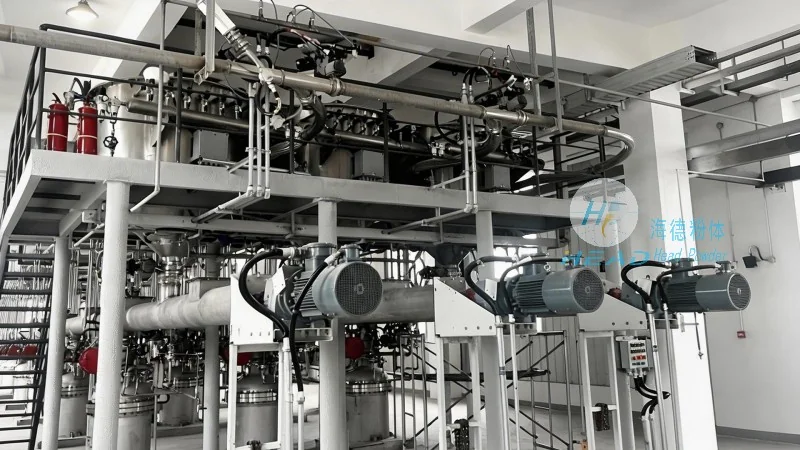
Design Principles for Long-Distance Systems
Designing an effective long-distance pneumatic conveying system requires careful consideration of several critical factors. The first is the selection of the appropriate gas velocity, which must be high enough to keep the material suspended but not so high as to cause excessive pressure drop or energy consumption. The gas velocity is typically determined based on the material's properties, such as its density, particle size, and flowability. Another crucial factor is the system's pressure drop, which is the difference in pressure between the inlet and outlet of the conveying line. High pressure drop can lead to increased energy costs and may require more powerful gas sources, while low pressure drop can result in insufficient material transport. Engineers must also consider the system's layout, including the number and location of bends, expansions, and contractions, as these can significantly affect the pressure drop and overall efficiency.
Key Components of a Pneumatic Conveying System
Several key components are essential for the proper functioning of a long-distance pneumatic conveying system. The material feeder is responsible for introducing the material into the system at a consistent rate, ensuring that the conveying line is not overloaded or underloaded. The blower or compressor provides the necessary gas flow and pressure to move the material through the line. The conveying line itself is typically made of metal or plastic, with smooth interior surfaces to minimize friction and reduce pressure drop. The line may include various fittings, such as elbows, tees, and reducers, which are designed to handle changes in direction or diameter. The receiver is where the material is collected after it has been transported through the line, and it is often equipped with a dust collection system to prevent material loss and maintain air quality.
Applications of Long-Distance Pneumatic Conveying
Long-distance pneumatic conveying is used in a wide range of industries, including food processing, pharmaceuticals, chemicals, and mining. In the food industry, for example, it is used to transport grains, powders, and other food products without the risk of contamination from mechanical parts. In the pharmaceutical industry, it is used to handle sensitive materials like powders and granules, ensuring that they remain sterile and free from contamination. In the chemical industry, it is used to transport various powders and granules, including those that are abrasive or corrosive. The mining industry also utilizes pneumatic conveying to transport raw materials from mines to processing facilities, often over long distances.
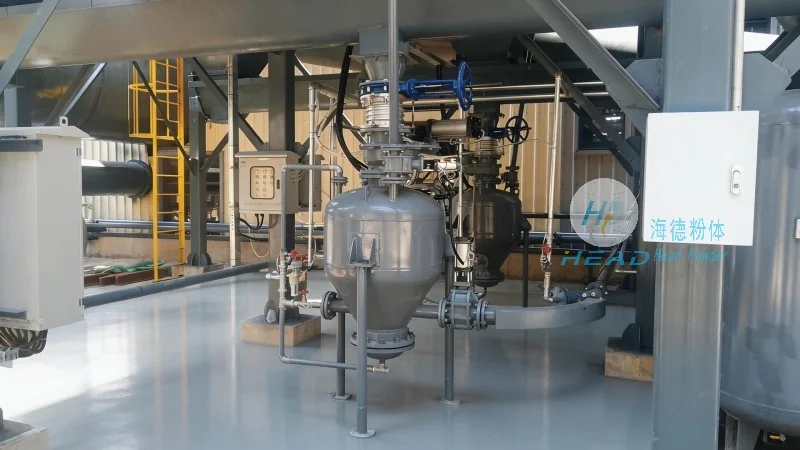
Advantages and Challenges of Pneumatic Conveying
While long-distance pneumatic conveying offers numerous advantages, it also presents some challenges that must be addressed during the design and operation of the system. One of the main advantages is its ability to handle a wide variety of materials, including those that are difficult to transport using other methods. It also provides a clean and hygienic method of material handling, which is particularly important in industries like food and pharmaceuticals. However, the system can be more complex and expensive to install and maintain compared to traditional methods like belt conveyors. Additionally, the energy consumption of pneumatic conveying can be higher, especially for long-distance applications, and the system may be more susceptible to clogging or blockages if the material is not properly prepared or if the system is not designed correctly.
Conclusion
Long-distance material pneumatic conveying is a highly effective and versatile method of material handling that has become an essential part of many industrial processes. By understanding the design principles and key components of these systems, engineers can design and operate efficient and reliable systems that meet the specific needs of their applications. As technology continues to advance, we can expect to see further improvements in the performance and efficiency of pneumatic conveying systems, making them an even more attractive option for material handling in the future.