

What is Powdered Fire Drug Pneumatic Conveying? What Are Its Design Principles?
Pneumatic conveying systems are essential for industries that handle powdered fire drugs, offering a reliable method to transport bulk materials through pipelines using pressurized air or suction. This technology addresses the challenges of moving materials that are difficult to handle with traditional methods, such as manual transport or mechanical conveyors. Understanding the principles behind these systems is critical for optimizing performance and ensuring safety in fire drug processing.
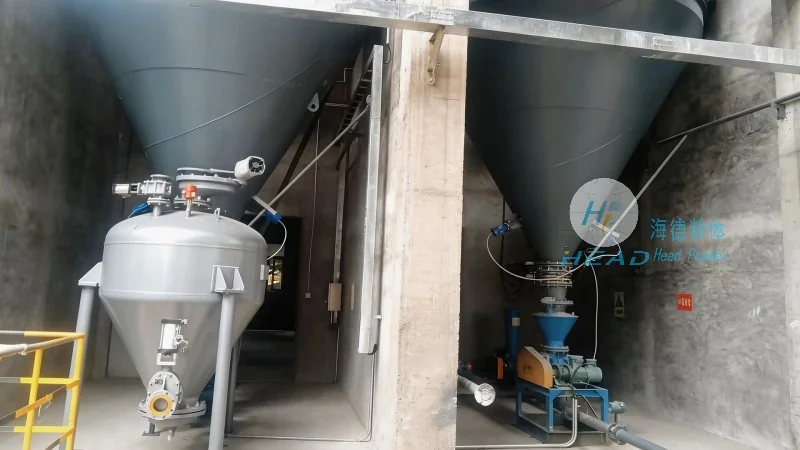
Pneumatic Conveying Systems for Powdered Fire Drugs
Pneumatic conveying systems for fire drug powders typically consist of several interconnected components. These include a material feed hopper, a conveyor line (either positive pressure or negative pressure), a control system, and a discharge unit. The system operates by either blowing air into the material to propel it forward (positive pressure) or creating a vacuum to pull the material (negative pressure). The choice between these two methods depends on factors like material properties, system layout, and operational efficiency requirements.
Design Principles of Pneumatic Conveying for Fire Drug Powders
The design of a pneumatic conveying system for fire drug powders must consider multiple critical factors to ensure safe and efficient operation. First, the physical properties of the fire drug powder, such as particle size, density, and flowability, are paramount. These characteristics directly influence the system's pressure requirements, air velocity, and the risk of clogging or blockages in the pipeline. For instance, finer particles may necessitate higher air velocities to prevent settling or the formation of agglomerates that could obstruct the conveyor line.
Second, the system's layout and configuration play a vital role. The length and diameter of the conveyor line, the number and type of bends, and the placement of components like cyclones or filters affect overall performance. Proper design minimizes pressure losses and ensures consistent material flow. Additionally, safety considerations are non-negotiable when handling fire drug powders, as the systems must comply with regulations related to explosion prevention, material containment, and environmental protection.
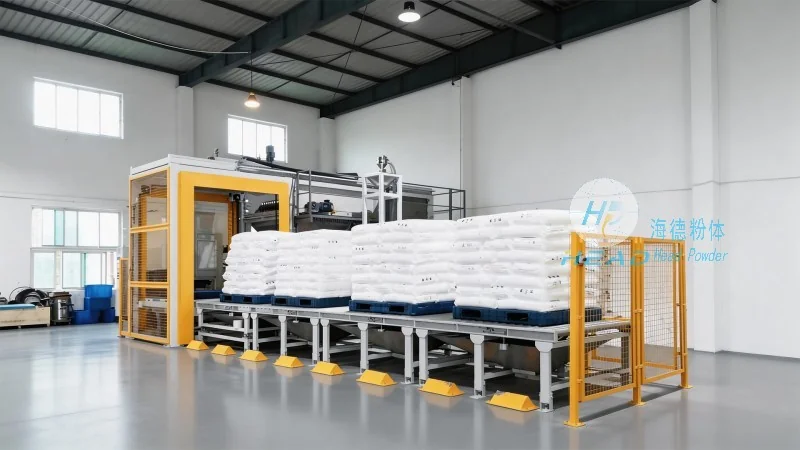
Key Components and Their Functionality
Key components of a pneumatic conveying system for fire drug powders include the material feed hopper, which stores and feeds the powder into the system. The hopper is often equipped with a feeder, such as a rotary valve or a screw feeder, to control the material flow rate precisely. The conveyor line, constructed from materials resistant to the fire drug's chemical properties, transports the powder. For positive pressure systems, a blower or compressor provides the necessary air pressure, while negative pressure systems utilize a vacuum pump to create the suction effect.
At the discharge end, cyclones or filters are commonly employed to separate the fire drug powder from the air stream. These components ensure efficient collection of the powder and cleaning of the air before release. The control system, which may incorporate sensors and automation, monitors parameters like pressure, flow rate, and temperature to maintain optimal operation and prevent issues such as overpressure or material buildup in the system.
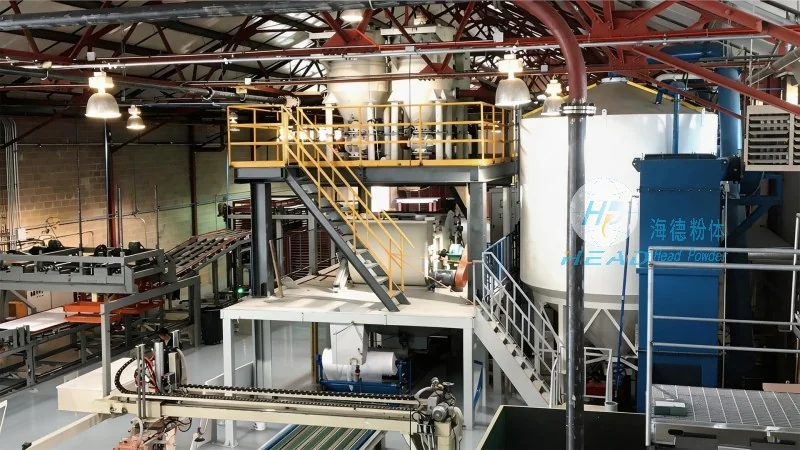
Applications and Benefits in Fire Drug Handling
Pneumatic conveying systems are widely utilized in the handling of fire drug powders due to their versatility and efficiency. They are suitable for applications ranging from small-scale laboratory operations to large-scale industrial production lines. The benefits of using pneumatic conveying include reduced labor costs, enhanced safety by minimizing manual handling, and the ability to transport materials over long distances without the need for intermediate storage or handling.
Furthermore, the system's adaptability to different fire drug formulations makes it valuable in industries where compositions may change frequently. The design of the system can be adjusted to accommodate varying particle sizes and flow characteristics, ensuring consistent performance. This flexibility is particularly important in fire drug manufacturing, where precision and consistency are critical to product quality and safety.
Conclusion: The Importance of Proper Design and Implementation
In conclusion, pneumatic conveying is a fundamental technology for the safe and efficient handling of powdered fire drugs. The design principles and components of such systems must be carefully engineered to address the unique challenges posed by fire drug powders. By adhering to proper engineering practices and safety standards, companies can implement effective pneumatic conveying systems that enhance productivity, ensure compliance with regulatory requirements, and maintain the highest standards of material handling in the fire drug industry.