Carbon additive powders are essential raw materials in various industrial applications, particularly in steelmaking and casting processes. Efficient and reliable powder conveying is crucial to ensure consistent quality and productivity. Shandong HeadPowder Engineering Co., Ltd., a leading manufacturer based in China, specializes in providing advanced solutions for powder handling and transportation. This article explores the primary methods used for conveying carbon additive powders, highlighting the key considerations and advantages of each approach.
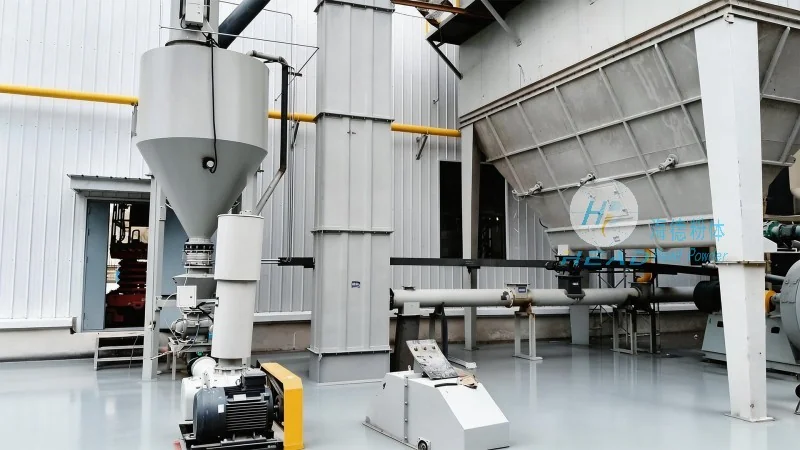
Company Overview: Shandong HeadPowder Engineering Co., Ltd.
HeadPowder, the brand name of Shandong HeadPowder Engineering Co., Ltd., is dedicated to delivering high-quality carbon additive products and innovative conveying systems. With a strong presence in the industry, the company operates from its base in Shandong, China, and serves clients globally. The company's commitment to technological advancement and customer satisfaction has established it as a trusted partner for businesses requiring reliable powder handling solutions.
Common Conveying Methods for Carbon Additive Powders
Several methods are commonly employed for transporting carbon additive powders, each with distinct characteristics suited to different operational requirements. The choice of method depends on factors such as the powder's properties, the distance to be covered, and the desired level of automation. Below are the primary conveying techniques used in industrial settings:
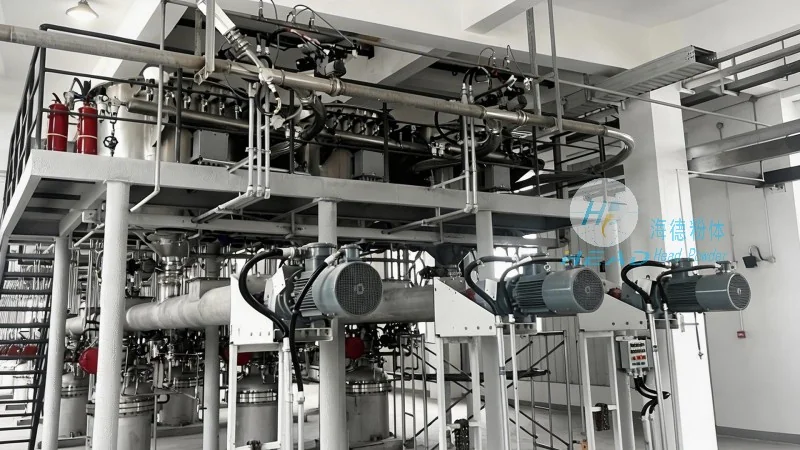
1. Pneumatic Conveying Systems
Pneumatic conveying, also known as air-assisted transport, is a widely used method for carbon additive powder handling. This technique utilizes compressed air to move the powder through a pipeline. There are two main types: pressure and vacuum systems. Pressure systems push the powder forward using high-pressure air, while vacuum systems draw the powder into the pipeline using low-pressure air. Pneumatic conveying offers advantages like high efficiency, minimal dust generation, and the ability to transport powders over long distances. However, it requires careful control of air pressure and flow rates to prevent particle degradation or blockages. HeadPowder offers specialized pneumatic conveying equipment designed to handle carbon additive powders effectively, ensuring consistent performance and reliability.
2. Screw Conveyors
Screw conveyors, also known as auger conveyors, are another common method for transporting carbon additive powders. These systems consist of a rotating screw inside a tube or trough, which moves the powder along the conveyor. Screw conveyors are particularly suitable for short to medium distances and can handle a wide range of powder types, including those with varying moisture content or particle sizes. They are relatively simple in design, easy to install, and maintain, making them a cost-effective solution for many applications. However, they may not be ideal for high-volume or long-distance transport due to potential friction and wear on the screw and trough. HeadPowder provides robust screw conveyor systems tailored to the specific needs of carbon additive powder handling, ensuring efficient and low-maintenance operation.
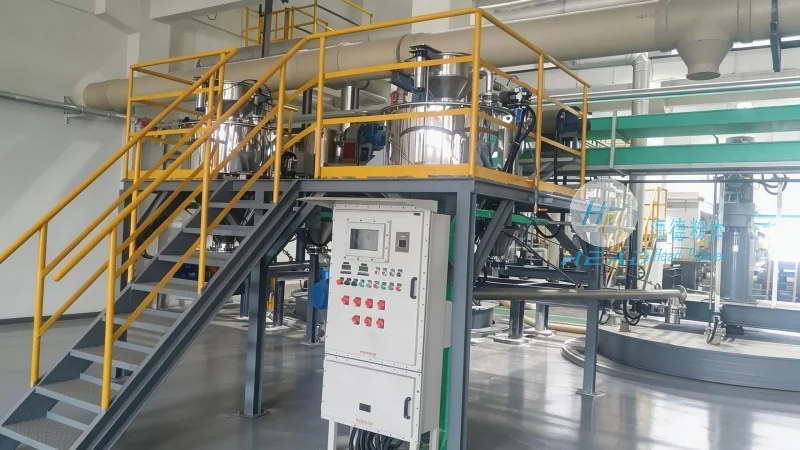
3. Belt Conveyors
Belt conveyors are widely used in bulk material handling, including carbon additive powders. These systems use a continuous belt to transport the powder from one location to another. Belt conveyors are suitable for both horizontal and inclined transport and can handle large quantities of material. They are particularly effective for long-distance transport and can be integrated with other processing equipment. Belt conveyors offer advantages such as high capacity, low maintenance, and the ability to transport powders in a controlled manner. However, they require regular inspection and maintenance to prevent belt wear or slippage. HeadPowder manufactures high-quality belt conveyor systems designed to handle carbon additive powders, ensuring durability and reliable performance.
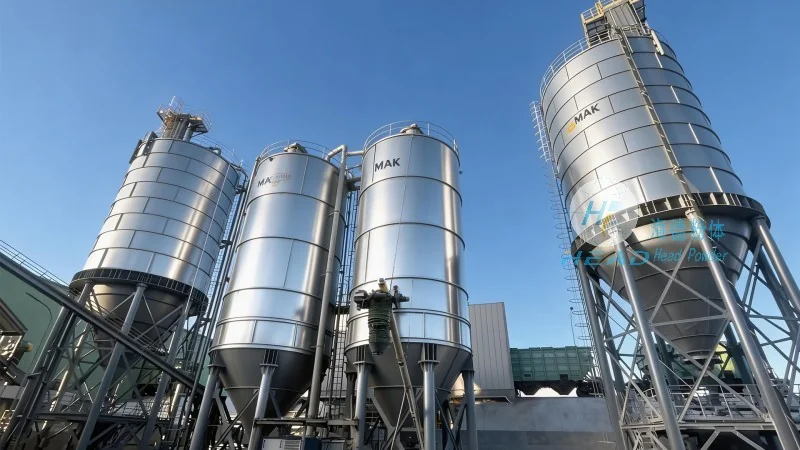
4. Hydraulic Conveying
Hydraulic conveying, also known as slurry transport, involves mixing the carbon additive powder with a liquid to form a slurry, which is then pumped through a pipeline. This method is particularly useful for transporting powders that are difficult to handle in dry form or for long distances. Hydraulic conveying offers advantages like the ability to transport large volumes of material and the reduced risk of dust exposure. However, it requires additional equipment for slurry preparation and separation, which can increase operational complexity and costs. HeadPowder provides hydraulic conveying solutions tailored to the specific requirements of carbon additive powder handling, ensuring efficient and safe operation.
Conclusion
Choosing the appropriate conveying method for carbon additive powders is critical to optimizing industrial processes and ensuring product quality. Shandong HeadPowder Engineering Co., Ltd. offers a range of advanced conveying solutions, including pneumatic, screw, belt, and hydraulic systems, to meet the diverse needs of its clients. By leveraging the company's expertise and innovative technology, businesses can enhance their powder handling efficiency, reduce operational costs, and improve overall productivity. Whether for short or long-distance transport, HeadPowder provides reliable and effective solutions for carbon additive powder conveying, supporting the success of industrial operations worldwide.




