HeadPowder, a leading engineering company based in Shandong, China, specializes in advanced pneumatic conveying solutions tailored for the rice starch industry. This article provides a comprehensive overview of the fundamental principles behind negative and positive pressure pneumatic conveying systems, their applications, and the technical considerations that influence system design and performance in rice starch processing operations.
Understanding Negative Pressure Pneumatic Conveying
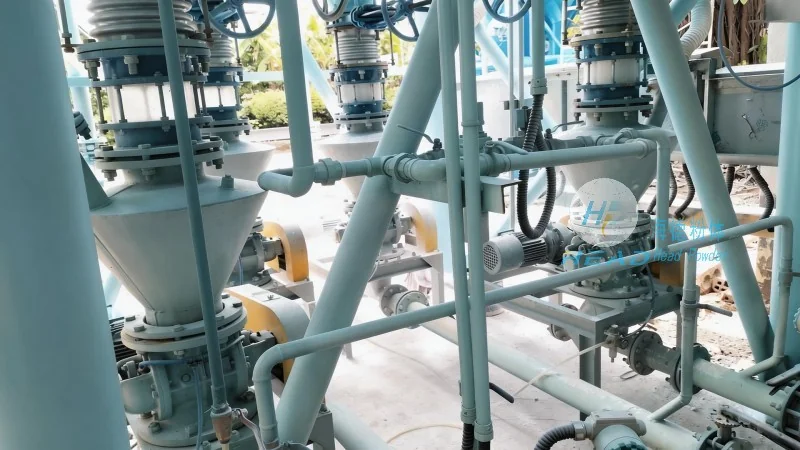
Negative pressure, or vacuum, pneumatic conveying systems operate by creating a lower pressure within the conveying line compared to the ambient environment. This approach draws material from the source into the system using a vacuum pump or fan. For rice starch applications, negative pressure systems are particularly effective when material needs to be transported from a higher elevation to a lower one, or when the material is sensitive to high velocities and impact. The system typically includes a hopper, a vacuum pump, and a conveying line that connects the source to the destination. The vacuum pump generates the necessary suction force, pulling the rice starch particles into the line and transporting them to the collection point. This method is known for its gentle handling of the material, minimizing particle degradation and preserving the quality of the rice starch. HeadPowder's expertise in designing negative pressure systems ensures optimal efficiency and reliability for rice starch processing facilities.
Positive Pressure Pneumatic Conveying Systems
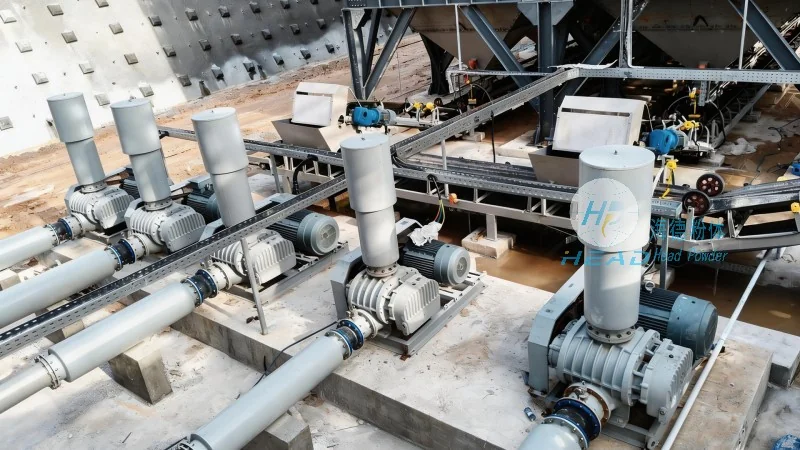
Conversely, positive pressure systems operate by pressurizing the conveying line above atmospheric pressure. A blower or positive displacement pump supplies compressed air or gas to push the material through the system. In rice starch applications, positive pressure is often preferred when transporting material over longer distances or against gravity, such as from a lower elevation to a higher one. The system comprises a hopper, a positive pressure blower, and a series of pipes that direct the material to the target location. The high-pressure air or gas creates a force that propels the rice starch particles through the line, ensuring consistent flow and preventing blockages. Positive pressure systems are robust and capable of handling a wide range of material characteristics, including varying particle sizes and moisture content. HeadPowder's engineers design positive pressure systems with considerations for energy efficiency and material compatibility, ensuring they meet the specific demands of rice starch processing.
Key Factors in System Design for Rice Starch
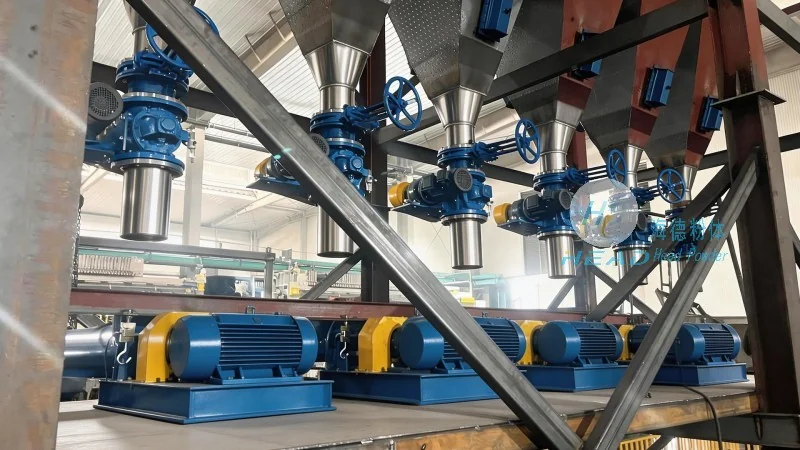
The successful implementation of pneumatic conveying systems for rice starch depends on several critical factors. First, the particle size and density of the rice starch are crucial determinants. Smaller particles may require higher air velocities to maintain suspension, while larger particles may need higher pressure to ensure proper transport. The moisture content of the rice starch also impacts system performance, as higher moisture can affect the material's flowability and the system's efficiency. Additionally, the distance and elevation changes between the source and destination affect the choice between negative and positive pressure systems. For instance, if the rice starch needs to be transported from a lower to a higher elevation over a significant distance, a positive pressure system with a high-capacity blower may be more suitable. Conversely, if the material is to be moved from a higher to a lower level, a negative pressure system could be more efficient. HeadPowder's team conducts thorough material analysis and process simulations to determine the optimal system configuration, ensuring that the chosen approach maximizes throughput while minimizing energy consumption and wear on components.
Applications and Benefits in Rice Starch Processing
Pneumatic conveying systems are widely used in rice starch processing for various applications, including material transfer from storage silos to processing equipment, conveying from grinding or milling stages to drying or packaging units, and transporting waste or byproducts. The benefits of these systems extend beyond efficient material handling. Negative pressure systems, for example, are ideal for handling fine, dust-like rice starch, as they minimize dust emissions and maintain a clean working environment. Positive pressure systems, on the other hand, are effective for transporting bulk quantities of rice starch, ensuring consistent flow rates and reducing the risk of material buildup in the conveying line. Both system types contribute to improved operational efficiency by automating material transfer, reducing labor costs, and enhancing overall process control. HeadPowder's solutions are designed to integrate seamlessly with existing rice starch processing lines, providing scalable and adaptable systems that can grow with the needs of the facility.
Conclusion and Contact Information
HeadPowder Engineering Co., Ltd., based in Shandong, China, offers specialized pneumatic conveying solutions for the rice starch industry, focusing on both negative and positive pressure systems. By leveraging advanced engineering principles and extensive industry experience, HeadPowder ensures that rice starch processing facilities achieve optimal performance, efficiency, and reliability in their material handling operations. For more information about our pneumatic conveying systems and how they can enhance your rice starch processing capabilities, please contact us at our Shandong headquarters.




