Zircon sand, a critical raw material in the production of ceramics, glass, and refractory materials, requires efficient and reliable transportation methods to ensure consistent quality and process efficiency. Pneumatic conveying systems have emerged as a preferred solution for handling zircon sand due to their ability to transport bulk materials through air pressure, offering advantages such as reduced dust, improved safety, and enhanced process control. This article explores the types, key features, and application scope of zircon sand pneumatic conveying systems, providing insights into their practical implementation and benefits.
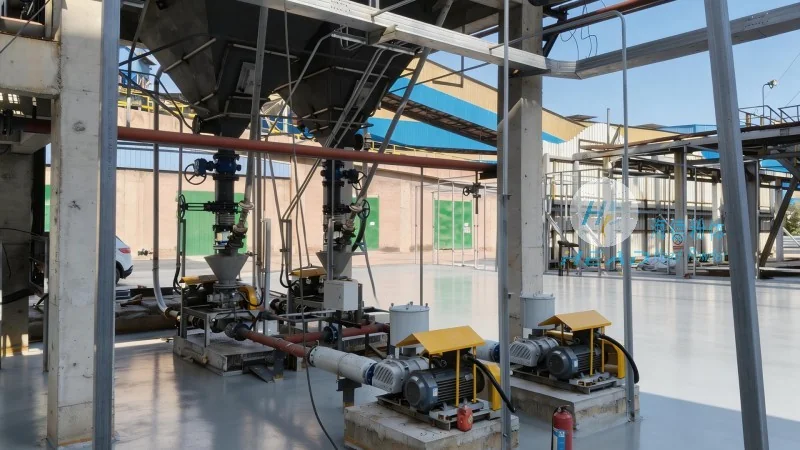
Types of Pneumatic Conveying Systems for Zircon Sand
There are primarily two main categories of pneumatic conveying systems used for zircon sand: dilute-phase and dense-phase systems. Dilute-phase systems operate by suspending the material in a high-velocity air stream, typically at velocities above 20 m/s, which allows for long-distance transport with relatively low pressure drops. These systems are suitable for applications where material is transported over short to medium distances and where the material is non-abrasive or has low dust generation. Dense-phase systems, on the other hand, use lower air velocities (typically 5-15 m/s) and higher pressure to transport material in a more compact, plug-like flow. This method is ideal for handling abrasive or sensitive materials like zircon sand, as it minimizes particle degradation and reduces the risk of blockages. Additionally, some specialized systems, such as the hybrid or pressure-assisted designs, combine elements of both dilute and dense-phase operations to optimize performance for specific process requirements.
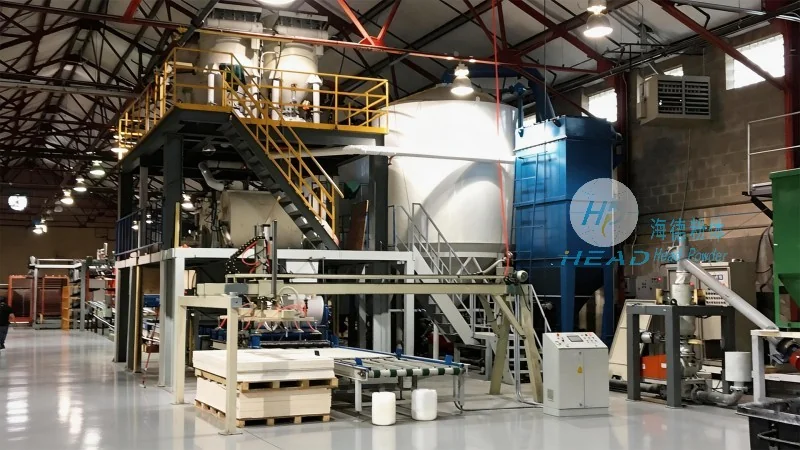
Key Features and Advantages of Zircon Sand Pneumatic Conveying
One of the most significant advantages of pneumatic conveying for zircon sand is its ability to maintain material integrity. Unlike mechanical conveyors, which can cause abrasion and particle breakage, pneumatic systems use air to move material, preserving the physical properties of zircon sand. This is crucial for industries where the purity and particle size distribution of zircon sand directly impact product quality. Another key feature is the reduction of dust and contamination, as the enclosed system prevents dust from escaping into the environment, ensuring compliance with environmental regulations and improving workplace safety. Furthermore, pneumatic conveying systems offer high flexibility in terms of layout and integration with existing production lines. They can be easily adapted to different plant configurations, allowing for modular design and scalability. The systems also provide real-time monitoring capabilities, enabling operators to track material flow rates, pressure, and temperature, which helps in maintaining process stability and detecting potential issues early. Energy efficiency is another notable aspect, as modern pneumatic conveying systems utilize advanced air compressors and control systems to minimize energy consumption while maximizing throughput.
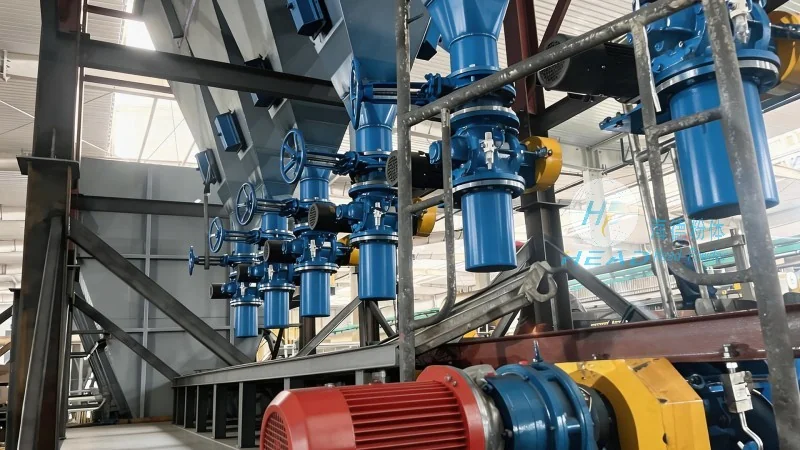
Application Scope of Zircon Sand Pneumatic Conveying Systems
Zircon sand pneumatic conveying systems find wide application across various industries, particularly in the manufacturing of high-value products that rely on precise material handling. In the ceramics industry, these systems are used to transport zircon sand from storage silos to mixing and molding equipment, ensuring consistent feed rates and preventing material segregation. The glass industry also benefits from pneumatic conveying, as zircon sand is a key component in glass formulation, and efficient transport is essential for maintaining the uniformity of glass batches. Refractory manufacturers utilize these systems to move zircon sand to kilns and processing units, where the material is used to produce high-temperature-resistant products. Additionally, in the chemical and pharmaceutical sectors, where zircon sand is used as a filler or abrasive, pneumatic conveying helps maintain product purity and reduces contamination risks. The systems are also applicable in research and development facilities, where small-scale testing of zircon sand handling processes is conducted. Overall, the application scope of zircon sand pneumatic conveying systems is broad, covering both large-scale industrial production and laboratory-scale experiments, making them a versatile solution for various material handling needs.
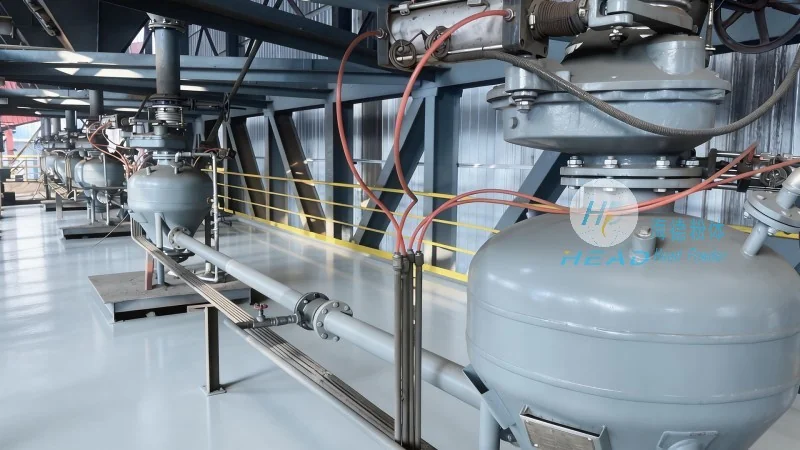
Company Profile: Shandong HeadPowder Engineering Co., Ltd.
Shandong HeadPowder Engineering Co., Ltd., operating under the brand name headpowder, is a leading provider of specialized engineering solutions for bulk material handling, including pneumatic conveying systems for zircon sand and other industrial materials. With a strong focus on innovation and customer-centric design, the company has established itself as a trusted partner in the industry, delivering high-quality, customized solutions that meet the unique requirements of clients. HeadPowder's expertise lies in the design, manufacturing, and installation of advanced pneumatic conveying systems, tailored to the specific characteristics of zircon sand and the operational needs of various industries. The company's commitment to quality is reflected in its adherence to international standards and rigorous testing protocols, ensuring that each system meets the highest performance and safety criteria. HeadPowder's team of experienced engineers and technicians work closely with clients to understand their process challenges and develop optimal solutions, providing comprehensive support from initial consultation to long-term maintenance. Based in Shandong, China, the company leverages its local presence and extensive industry network to offer efficient and reliable services, supporting clients in enhancing their material handling efficiency and overall operational performance.




