Effective and reliable transportation of tailings slurry is a critical aspect of mining operations, ensuring safe and efficient movement of the byproduct from processing facilities to disposal sites. Various methods have been developed to address the unique challenges posed by tailings, including their high density, abrasive nature, and varying flow characteristics. Understanding the different approaches to tailings slurry transportation is essential for optimizing operational efficiency and minimizing environmental impact. Shandong HeadPowder Engineering Co., Ltd., a leading provider in the field, specializes in designing and implementing tailored solutions for tailings transportation, with a focus on safety, efficiency, and environmental responsibility.
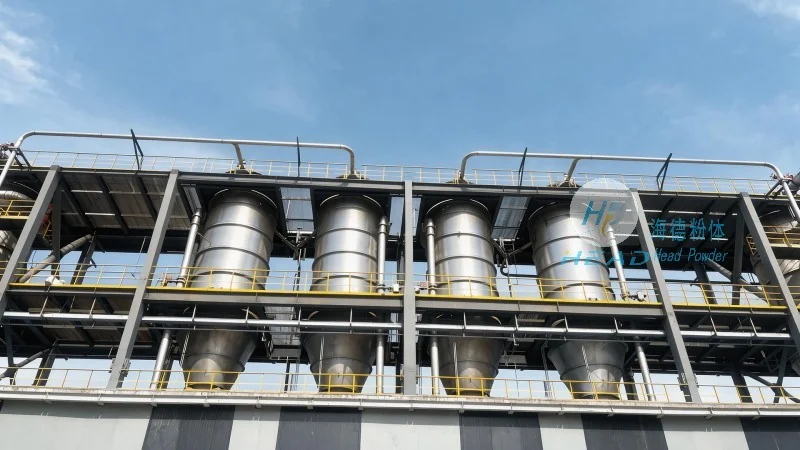
1. Pipeline Transportation Systems
One of the most common methods for tailings slurry transportation is through pipeline systems. These systems utilize a network of pipes to convey the slurry over long distances, often from the mine site to a tailings storage facility. The primary advantage of pipeline transportation is its ability to handle large volumes of material with minimal labor and operational costs. Shandong HeadPowder Engineering Co., Ltd. specializes in designing and implementing custom pipeline solutions tailored to specific project requirements. Their expertise includes selecting appropriate pipe materials, such as high-density polyethylene (HDPE) or steel, based on the slurry's characteristics and environmental considerations. The pipeline systems can be configured as gravity-fed or pressure-driven, depending on the topography and distance involved. For instance, in hilly or mountainous regions, pressure-driven pumps may be employed to maintain the flow, while flatter terrains may utilize gravity to reduce energy consumption. The use of advanced monitoring and control systems ensures that the slurry flow remains consistent, preventing blockages and maintaining optimal pressure levels throughout the pipeline network.
2. Pumping Systems
Another widely adopted method for tailings slurry transportation is through pumping systems. These systems rely on pumps to move the slurry from the source to the destination, often using centrifugal or positive displacement pumps. The choice of pump type depends on the slurry's viscosity, solids content, and the required flow rate. Centrifugal pumps are commonly used for high-volume, low to medium viscosity slurries, while positive displacement pumps, such as piston or plunger pumps, are suitable for handling high-viscosity or abrasive slurries with lower flow rates. Shandong HeadPowder Engineering Co., Ltd. offers a range of pumping solutions, including submersible pumps, which are installed directly in the slurry pit to extract the material efficiently. These pumps are designed to withstand the harsh conditions of tailings, including corrosion and wear from abrasive particles. The pumping systems are typically integrated with filtration and dewatering equipment to improve the slurry's pumpability and reduce energy consumption. Regular maintenance and monitoring of pump performance are crucial to ensure the system operates at peak efficiency and to prevent equipment failure.
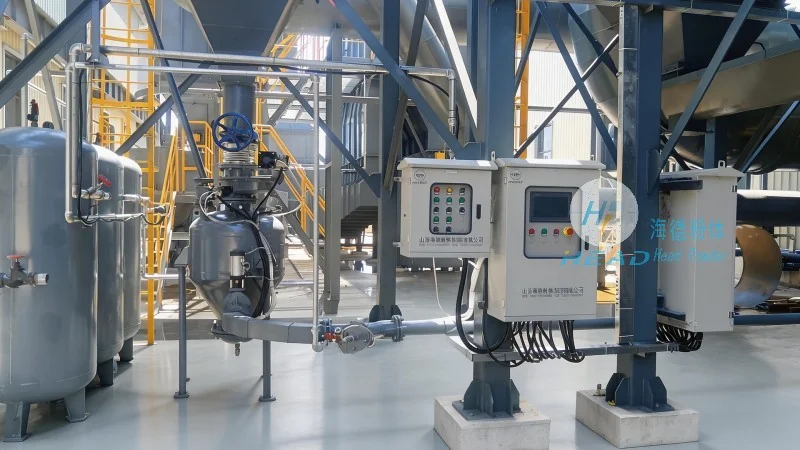
3. Conveyor Belt Systems
Conveyor belt systems are also utilized for tailings slurry transportation, particularly in scenarios where the slurry needs to be transported over short to medium distances or where the material is relatively dry and can be handled in a semi-solid state. These systems consist of a series of belts that transport the tailings from the processing plant to the storage area. The belts are often equipped with special materials, such as rubber or polyurethane, to resist abrasion and corrosion from the slurry. The design of the conveyor system includes appropriate incline angles and speed adjustments to maintain the flow of the material without causing excessive wear or blockages. Shandong HeadPowder Engineering Co., Ltd. provides customized conveyor solutions that can handle varying slurry compositions and flow rates. The systems are typically integrated with feeding mechanisms, such as hoppers or feeders, to ensure a consistent supply of material to the conveyor. The use of conveyor belts reduces the need for water addition or dewatering, making it a cost-effective option for certain applications. However, conveyor systems may have limitations in handling highly viscous or abrasive slurries, as the belts can experience significant wear over time.
4. Truck and Rail Transportation
For shorter distances or in areas where pipeline or conveyor systems are not feasible, truck and rail transportation are used for tailings slurry transportation. Trucks are commonly employed to transport the slurry from the mine site to a nearby storage facility or disposal site. The trucks are equipped with specialized tanks or containers designed to handle the slurry, often with internal liners to prevent corrosion and leakage. The use of trucks allows for flexibility in routing and can be advantageous in remote or inaccessible areas. However, truck transportation is generally less efficient than pipeline systems in terms of cost per ton-mile and may have environmental concerns related to emissions and traffic congestion. Rail transportation, on the other hand, is suitable for longer distances and large volumes of material. Specialized railcars, such as hopper cars or slurry tanks, are used to transport the tailings. This method is particularly effective for moving the slurry from the processing plant to a distant tailings storage facility. Shandong HeadPowder Engineering Co., Ltd. may offer support in the design and implementation of rail transportation systems, including the selection of appropriate railcars and infrastructure. The rail system can be integrated with pumping or conveyor systems at the source and destination to ensure a seamless flow of material.
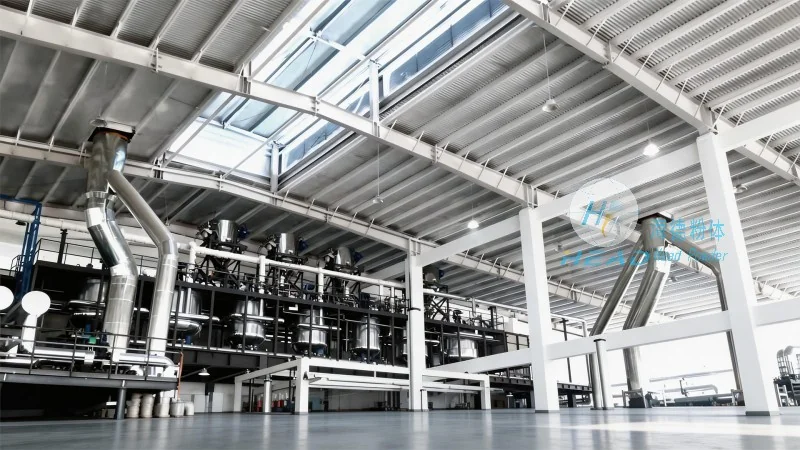
5. Hybrid Systems
In many cases, a combination of the above methods is used to create a hybrid transportation system. For example, a pipeline system may be used to transport the slurry from the mine to a processing plant, followed by a pumping system to move it to a storage facility. Alternatively, a conveyor system may be used to transport the slurry from the plant to a truck loading area, where it is then transported to the disposal site. Hybrid systems allow for greater flexibility and can optimize the use of each method's strengths. Shandong HeadPowder Engineering Co., Ltd. specializes in designing and implementing hybrid systems tailored to the specific needs of each project. These systems often include advanced control and monitoring technologies to ensure the smooth operation of all components. The use of hybrid systems can lead to improved efficiency, reduced costs, and enhanced safety by leveraging the advantages of multiple transportation methods.
Conclusion
Choosing the appropriate method for tailings slurry transportation depends on various factors, including the distance to be covered, the volume of material, the terrain, and the environmental regulations. Each method has its own advantages and limitations, and the selection should be based on a thorough analysis of the project's specific requirements. Companies like Shandong HeadPowder Engineering Co., Ltd. play a crucial role in providing expert guidance and customized solutions for tailings slurry transportation, ensuring that mining operations can move their byproduct efficiently and responsibly. By understanding the different methods and selecting the most suitable approach, mining companies can optimize their operations, minimize environmental impact, and achieve long-term sustainability.




