

Operation Process and Working Principle of Weighing Feeding Powder Pneumatic Conveying Equipment
For industries dealing with bulk powders, the efficient and reliable handling of material flow is paramount. The weighing feeding powder pneumatic conveying equipment, as a critical component in material processing systems, plays a vital role in ensuring precise material transfer and control. This equipment integrates advanced weighing technology with pneumatic conveying mechanisms to provide a seamless solution for powder handling applications.
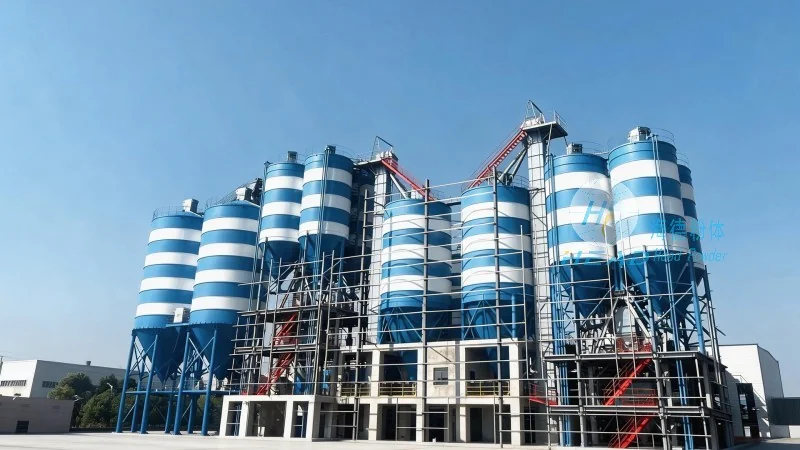
Overview of Weighing Feeding Powder Pneumatic Conveying Equipment
The weighing feeding powder pneumatic conveying equipment is designed to handle bulk powders with high accuracy and efficiency. It combines a weighing hopper or feeder with a pneumatic conveying system, enabling precise control over the material flow rate. This integration is essential for industries such as pharmaceuticals, food processing, and chemical manufacturing, where material consistency and quality are non-negotiable. The equipment is engineered to minimize material loss, reduce contamination risks, and enhance overall operational safety.
Key Components and Their Functions
The operation of the weighing feeding powder pneumatic conveying equipment relies on several key components, each contributing to the overall functionality. The primary components include the weighing hopper, the feeding mechanism, the pneumatic conveying system, and the control unit. The weighing hopper is equipped with load cells to measure the weight of the material, providing real-time data on the material level and flow rate. The feeding mechanism, often a rotary valve or screw feeder, regulates the material discharge from the hopper into the conveying line. The pneumatic conveying system, which may use positive or negative pressure, transports the material through the pipeline to the destination. The control unit integrates all these components, allowing for automated operation and precise control over the entire process.
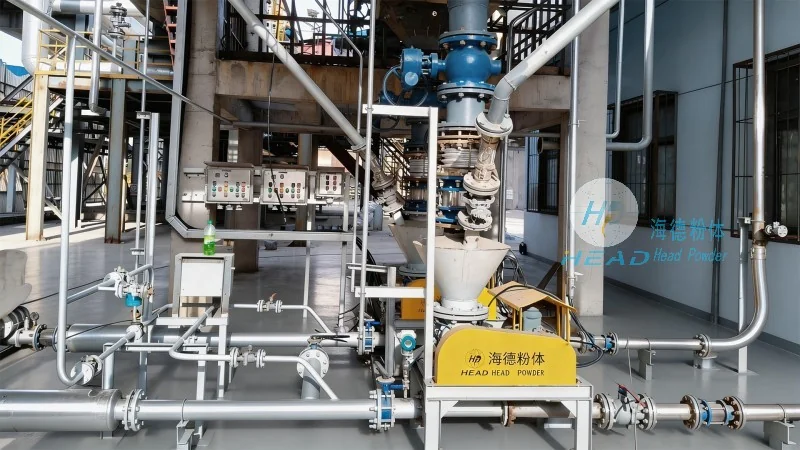
Operation Process: From Material Loading to Delivery
The operation process of the weighing feeding powder pneumatic conveying equipment begins with the loading of material into the weighing hopper. The hopper is designed to accommodate bulk quantities of powder, ensuring a stable and consistent feed. As material is added, the load cells within the hopper continuously monitor the weight, providing feedback to the control system. The control unit then adjusts the feeding mechanism to maintain the desired flow rate, ensuring that the material is conveyed at a consistent speed. The material is then transported through the pneumatic pipeline, where it is propelled by air pressure or vacuum, depending on the system design. The conveying line may include additional components such as filters, cyclones, or silos to separate the material from the air and direct it to the final destination. The entire process is automated, with the control unit monitoring and adjusting parameters in real-time to maintain optimal performance.
Working Principle: Combining Weighing and Pneumatic Conveying
The working principle of the weighing feeding powder pneumatic conveying equipment is based on the integration of weighing technology and pneumatic conveying mechanisms. The weighing hopper serves as a measurement unit, providing accurate data on the material weight and flow rate. This data is used by the control system to regulate the feeding mechanism, ensuring that the material is discharged at the correct rate. The pneumatic conveying system then transports the material through the pipeline, using air pressure or vacuum to move the powder particles. The combination of weighing and conveying allows for precise control over the material flow, minimizing variations and ensuring consistent delivery. This dual-function approach enhances the overall efficiency and reliability of the equipment, making it suitable for demanding industrial applications.
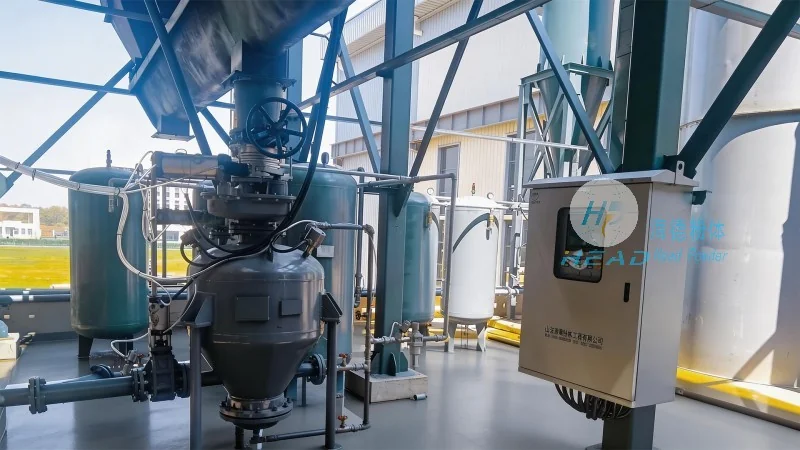
Advantages and Applications
The weighing feeding powder pneumatic conveying equipment offers several advantages over traditional material handling methods. Its ability to provide precise weighing and control over material flow reduces material waste and improves product quality. The pneumatic conveying system eliminates the need for mechanical components in the conveying line, reducing maintenance requirements and increasing operational reliability. Additionally, the equipment is suitable for handling a wide range of powders, including fine, abrasive, and hygroscopic materials, making it versatile for various industrial applications. Industries such as pharmaceuticals, food processing, chemical manufacturing, and mining benefit from the equipment's ability to handle bulk materials with high accuracy and efficiency.
Conclusion
In conclusion, the weighing feeding powder pneumatic conveying equipment is a sophisticated solution for bulk powder handling, combining weighing technology with pneumatic conveying mechanisms to provide precise control and efficient material transfer. The equipment's design and operation ensure high accuracy, minimal material loss, and enhanced operational safety, making it an essential component in modern material processing systems. With its ability to handle a wide range of powders and applications, the equipment from Shandong HeadPowder Engineering Co., Ltd. (headpowder) stands as a reliable choice for industries seeking to optimize their material handling processes.