Coconut shell powder, a versatile material derived from coconut shells, is widely used in various industries such as agriculture, construction, and energy. The efficient and reliable conveying of this powder is crucial for industrial processes, as it directly impacts productivity, safety, and cost-effectiveness. In this article, we will explore the primary methods of coconut shell powder conveying, highlighting the key considerations and applications for each approach.
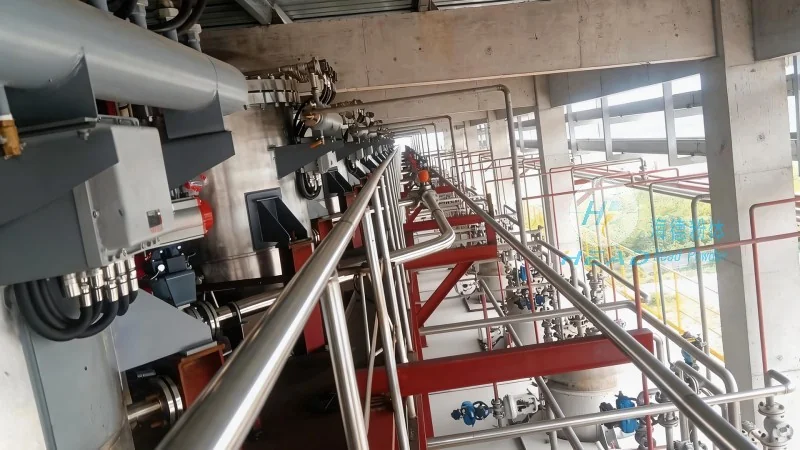
Understanding the Importance of Proper Conveying for Coconut Shell Powder
Before delving into specific conveying methods, it is essential to understand why proper handling of coconut shell powder is vital. This material is often fine and lightweight, making it susceptible to dust generation and air resistance during transport. Inadequate conveying systems can lead to material loss, equipment damage, and even health hazards due to dust inhalation. Therefore, selecting the right conveying method is a critical decision for any facility processing coconut shell powder.
Common Conveying Methods for Coconut Shell Powder
Several conveying methods are commonly employed in industrial settings for coconut shell powder, each with its own advantages and limitations. The choice of method depends on factors like the powder's characteristics, the distance to be conveyed, the required speed, and the available space. Below are some of the most prevalent options:
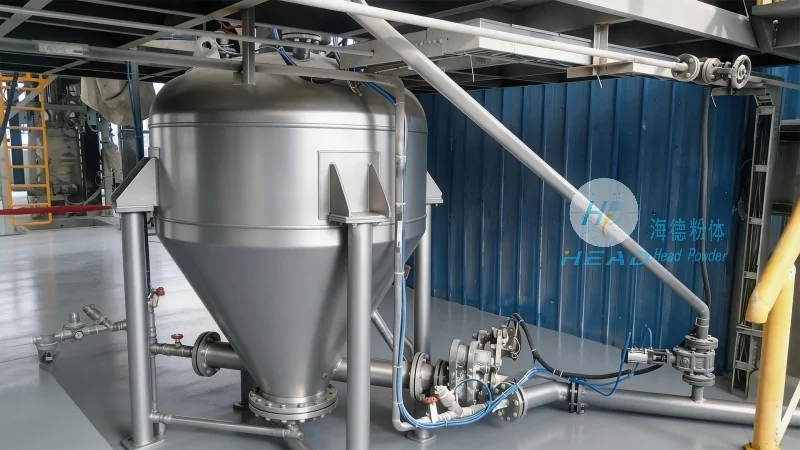
A. Air-Powered (Pneumatic) Conveying Systems
Air-powered or pneumatic conveying systems are widely used for transporting fine powders, including coconut shell powder. These systems utilize compressed air to move the material through a pipeline. There are two main types: dilute-phase and dense-phase pneumatic conveying. Dilute-phase systems are suitable for short distances and low to medium material loads, while dense-phase systems are ideal for longer distances and higher material concentrations. The primary advantage of pneumatic conveying is its ability to handle fine powders without the need for mechanical components that might cause clogging. However, it requires a significant amount of energy and may not be suitable for very large volumes or heavy materials.
B. Screw (Auger) Conveyors
Screw or auger conveyors are another popular choice for coconut shell powder conveying. These systems consist of a rotating screw inside a tube, which pushes the material forward. Screw conveyors are particularly effective for horizontal or slightly inclined transport and can handle a wide range of materials, including dry powders. They are relatively simple in design, low-maintenance, and can operate continuously. However, they may not be suitable for very fine powders that could cause excessive wear on the screw and tube, or for materials that are prone to bridging or clogging.
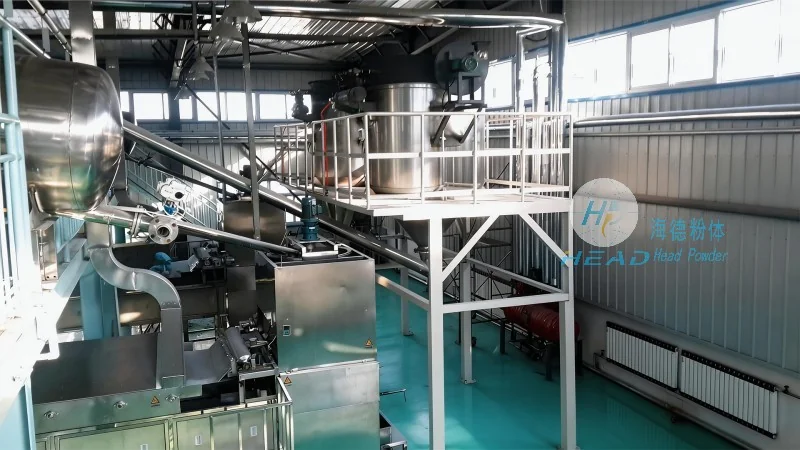
C. Belt Conveyors
Belt conveyors are widely used in bulk material handling, including the transport of coconut shell powder. These systems feature a continuous belt that moves over rollers or idlers, carrying the material from one point to another. Belt conveyors are suitable for both horizontal and inclined transport and can handle large volumes of material. They are highly efficient, reliable, and can be customized to fit specific operational needs. However, they require regular maintenance, particularly for the belt and drive system, and may not be suitable for very fine powders that could cause the belt to wear out quickly.
D. Bucket Elevators
Bucket elevators are vertical or inclined conveyors that use buckets attached to a chain or belt to lift and transport material. They are particularly effective for vertical transport of coconut shell powder, especially when the material needs to be moved to a higher level. Bucket elevators are capable of handling a wide range of materials, including fine powders, and can operate at high speeds. However, they require careful alignment and maintenance to prevent material spillage and ensure smooth operation.
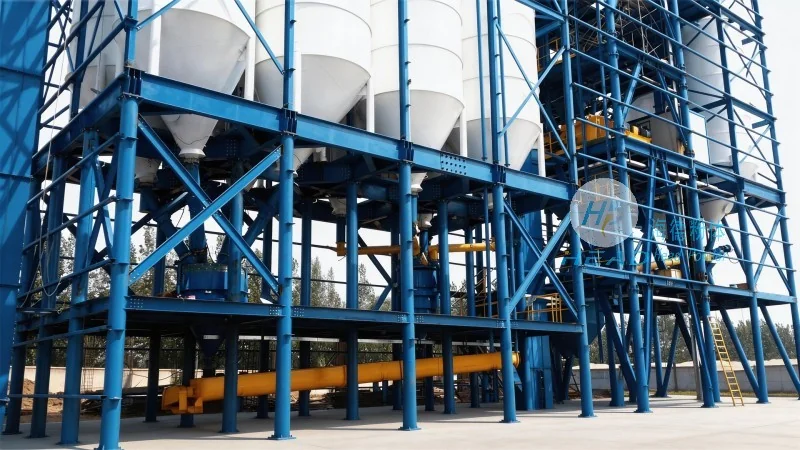
Choosing the Right Conveying Method for Your Needs
When selecting a conveying method for coconut shell powder, several factors must be considered to ensure optimal performance and efficiency. The first factor is the physical properties of the powder, such as particle size, moisture content, and flowability. Fine, dry powders may be better suited for pneumatic or screw conveyors, while larger or bulkier materials may be more efficiently handled by belt or bucket elevators. The second factor is the distance and layout of the conveying system. Short distances may allow for simpler systems like screw conveyors, while longer distances may require more complex systems like pneumatic or belt conveyors. The third factor is the required capacity and speed. High-volume applications may necessitate multiple conveyors or larger systems, while low-volume applications may use smaller, more compact systems. Finally, the budget and maintenance requirements must be considered. Some systems, like pneumatic conveyors, may have higher initial costs and energy consumption but lower maintenance costs, while others, like screw conveyors, may have lower initial costs but higher maintenance requirements.
Conclusion: Ensuring Efficient and Safe Conveying of Coconut Shell Powder
In conclusion, the proper conveying of coconut shell powder is essential for the smooth operation of industrial processes. By understanding the characteristics of the material and the available conveying methods, facilities can select the most suitable system to meet their specific needs. Whether using air-powered systems, screw conveyors, belt conveyors, or bucket elevators, the key is to ensure that the system is designed, installed, and maintained correctly to achieve optimal performance, safety, and cost-effectiveness. For more information on coconut shell powder conveying solutions, contact Shandong HeadPowder Engineering Co., Ltd., a leading provider of industrial conveying equipment based in China.




