For those in the material handling industry, understanding advanced pneumatic conveying technologies is crucial for optimizing production processes and enhancing operational efficiency. One such technology that has gained significant attention is the foam pneumatic conveying system. This article provides an overview of the foam pneumatic conveying system, detailing its structure and working principles, while highlighting the expertise of Shandong HeadPowder Engineering Co., Ltd., a leading manufacturer in this field.
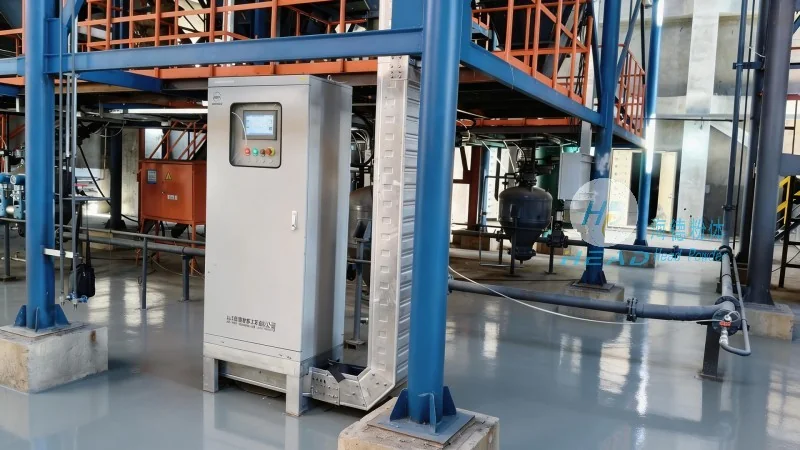
What is a Foam Pneumatic Conveying System?
A foam pneumatic conveying system is a specialized type of pneumatic transport equipment designed to move bulk materials through a pipeline using a mixture of air and foam. This method offers several advantages over traditional pneumatic conveying, including higher material transport capacity, reduced equipment wear, and improved material handling for delicate or abrasive substances. The system is particularly effective for transporting powders and granules over long distances with minimal product degradation.
Key Components of the Foam Pneumatic Conveying System
The foam pneumatic conveying system consists of several critical components that work in tandem to achieve efficient material transport. These components include:
1. Feeder: The feeder is responsible for introducing the bulk material into the conveying line at a controlled rate. It ensures a consistent flow of material, preventing blockages and maintaining system stability.
2. Foam Generator: The foam generator is a core component that mixes air with a liquid (typically water) to create a stable foam. This foam acts as a carrier medium, increasing the material's suspension and allowing for higher transport velocities.
3. Pneumatic Conveying Line: The conveying line is a sealed pipeline through which the foam and material mixture travels. The line is typically made of durable materials such as stainless steel or plastic to withstand the pressure and abrasion from the conveying process.
4. Receiver: The receiver is the terminal unit where the conveyed material is deposited. It is designed to separate the foam from the material, allowing for easy collection and disposal of the foam.
5. Control System: The control system monitors and regulates the operation of the foam generator, feeder, and conveying line. It ensures optimal performance by adjusting parameters such as air pressure, foam density, and material feed rate.
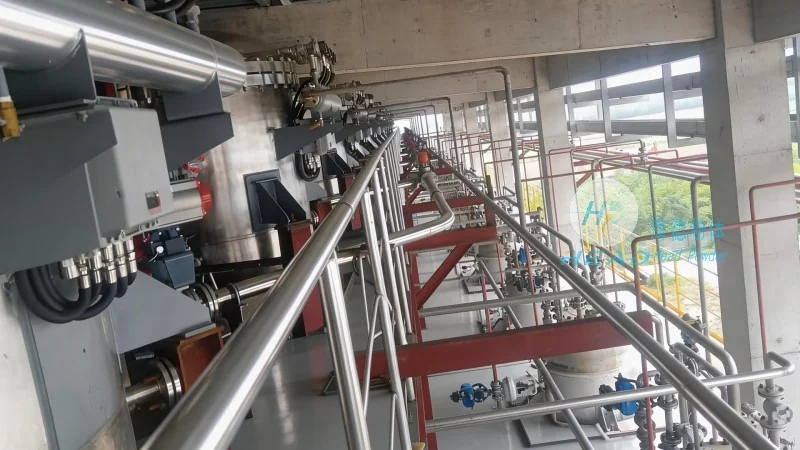
Working Principle of the Foam Pneumatic Conveying System
The operation of a foam pneumatic conveying system involves several steps. First, the bulk material is fed into the system via the feeder. Simultaneously, the foam generator creates a stable foam by mixing air and a liquid. The foam then carries the material through the conveying line under pressure. As the mixture reaches the receiver, the foam is separated from the material, and the material is collected. The separated foam can be recycled or disposed of as needed.
Advantages of Foam Pneumatic Conveying
Foam pneumatic conveying systems offer numerous benefits compared to traditional conveying methods. Some of the key advantages include:
1. Increased Transport Capacity: The use of foam as a carrier medium allows for higher material flow rates, enabling the system to handle larger volumes of material in a shorter time.
2. Reduced Equipment Wear: The foam cushioning effect minimizes the impact and friction on the conveying line and components, extending the lifespan of the equipment.
3. Improved Material Handling: The system is particularly suitable for delicate or abrasive materials, as the foam provides a gentle transport environment that prevents product degradation.
4. Energy Efficiency: By optimizing the air and foam mixture, the system can operate with lower energy consumption compared to other pneumatic conveying methods.
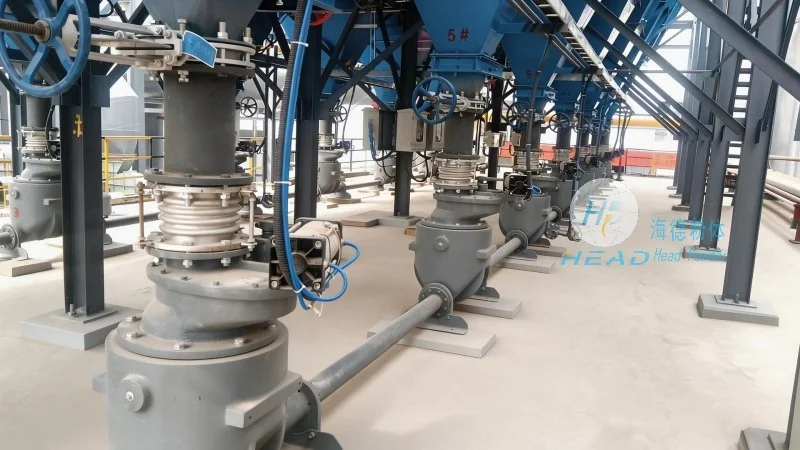
Applications of Foam Pneumatic Conveying Systems
Foam pneumatic conveying systems are widely used in various industries, including:
1. Pharmaceuticals: For transporting sensitive powders and granules in pharmaceutical manufacturing.
2. Food Processing: For handling food-grade powders and ingredients, ensuring hygiene and product quality.
3. Chemical Manufacturing: For conveying abrasive or corrosive materials in chemical plants.
4. Mineral Processing: For transporting bulk minerals and ores over long distances.
Shandong HeadPowder Engineering Co., Ltd. and Foam Pneumatic Conveying Systems
Shandong HeadPowder Engineering Co., Ltd., also known as headpowder, is a reputable company specializing in the design, manufacturing, and installation of foam pneumatic conveying systems. With years of experience in the industry, the company has developed advanced technologies and solutions tailored to meet the diverse needs of its clients. HeadPowder's expertise lies in creating customized systems that optimize material handling processes, enhance operational efficiency, and ensure compliance with industry standards. The company's commitment to quality and innovation has made it a trusted partner for businesses seeking reliable and efficient pneumatic conveying solutions.
Conclusion
Foam pneumatic conveying systems represent a significant advancement in material handling technology, offering enhanced efficiency and flexibility for various industrial applications. By understanding the structure and working principles of these systems, businesses can make informed decisions about implementing such technologies to improve their production processes. With the expertise of companies like Shandong HeadPowder Engineering Co., Ltd., the adoption of foam pneumatic conveying systems has become more accessible and effective, contributing to the growth and success of industries worldwide.




