The cement tanker material handling system serves as a critical infrastructure in the cement industry, facilitating the efficient transportation of bulk cement from production facilities to construction sites. This system integrates specialized equipment such as cement tankers, conveyor systems, and control units, all coordinated to ensure smooth and reliable material transfer. The design emphasizes safety, operational efficiency, and environmental responsibility, making it indispensable for modern cement logistics operations.
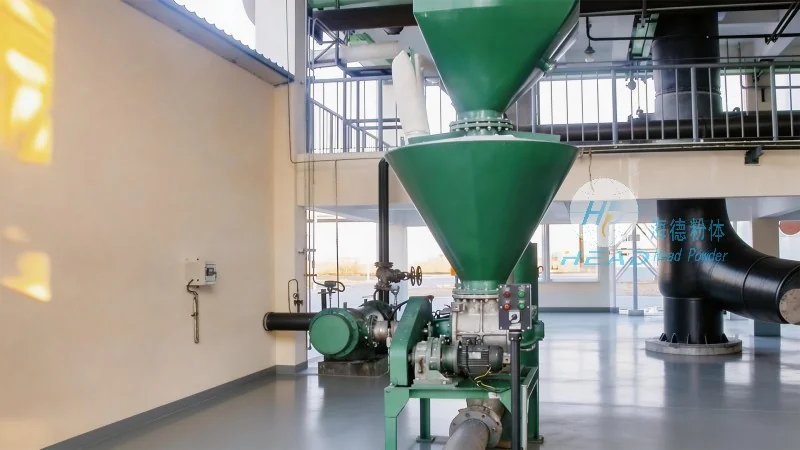
Key Components of the Material Handling System
The system comprises several interdependent components that work in unison to achieve its objectives. The primary component is the cement tanker, a large cylindrical vehicle equipped with a hopper and a discharge valve. This tanker is connected to a conveyor system—typically a screw or pneumatic conveyor—which transports the cement from the tanker to the destination. A control unit manages the entire process, monitoring pressure, flow rates, and other critical parameters to ensure optimal performance. Each component is engineered to withstand the high pressures and abrasive nature of cement, ensuring long-term reliability and minimal maintenance requirements.
Operation Process of the Cement Tanker Material Handling System
The operation of the cement tanker material handling system follows a systematic workflow starting with loading at the production site. Cement is stored in silos and transferred to the tanker via a loading hopper. Once fully loaded, the tanker travels to the construction site. Upon arrival, the tanker is positioned, and the discharge valve is opened. The control unit activates the conveyor system, which then transports the cement from the tanker to the storage silo or directly to mixing equipment at the construction site. The process is closely monitored to prevent overfilling or spills, ensuring compliance with safety and environmental regulations. The system is largely automated, reducing manual intervention and minimizing human error risks.
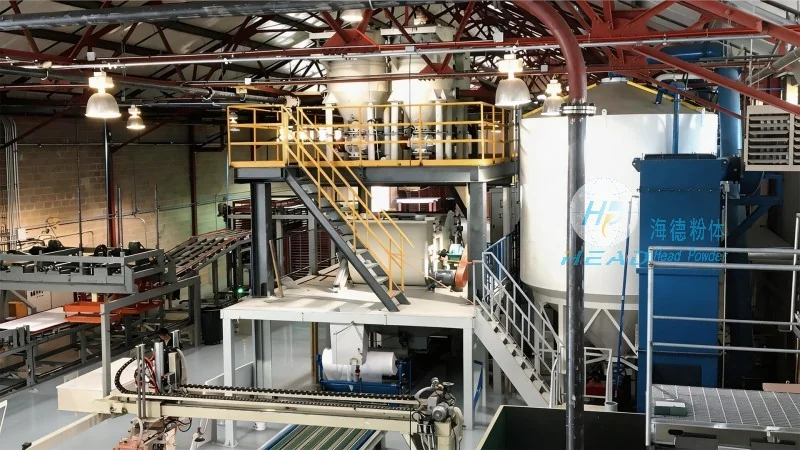
Working Principle of the Material Handling System
The working principle of the cement tanker material handling system is rooted in fluid dynamics and mechanical engineering. It operates by creating a pressure differential between the tanker and the destination, enabling cement flow through the conveyor system. For example, a screw conveyor uses rotating screws to push the cement forward, while a pneumatic conveyor employs compressed air to transport the material. The control unit regulates pressure and flow rates, ensuring consistent and safe material movement. Safety features like pressure relief valves and overflow sensors are integrated to prevent accidents and maintain operational integrity. The system is designed to be robust, efficient, and adaptable to various conditions, making it a reliable solution for cement transportation.
Advantages of the Cement Tanker Material Handling System
The cement tanker material handling system offers several key advantages over traditional transportation methods. It enables large quantities of cement to be transported in a single trip, reducing the number of trips and lowering costs. The system minimizes material loss or contamination, as cement remains contained within the tanker and conveyor system. Automated operation cuts labor costs and enhances safety by limiting human exposure to hazardous materials. The system’s design allows easy integration with existing logistics infrastructure, providing flexibility for diverse construction projects. Overall, it improves the efficiency and reliability of cement supply chains, supporting smooth construction execution.
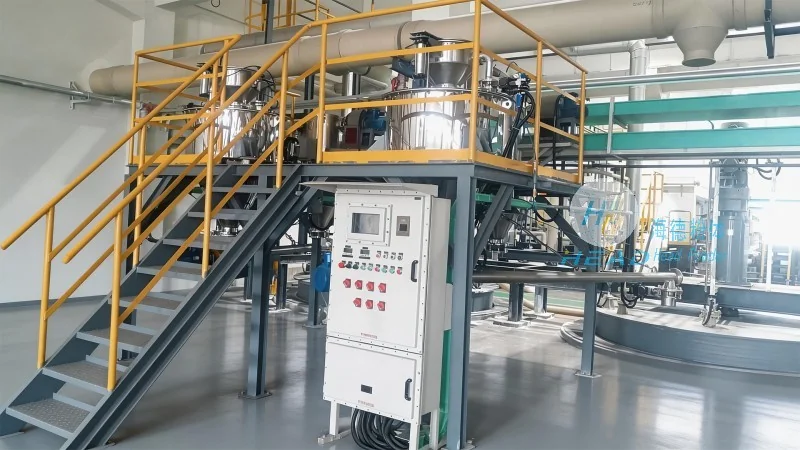
Applications and Industries Served
The cement tanker material handling system is widely utilized across multiple industries, including construction, infrastructure development, and industrial manufacturing. In construction, it supplies cement to building sites for concrete production. For infrastructure projects like roads and bridges, it ensures a steady cement supply for large-scale endeavors. Industrial manufacturers also use it to produce cement-based products, such as precast concrete components. The system’s versatility and reliability make it suitable for small residential projects to large commercial and industrial developments.
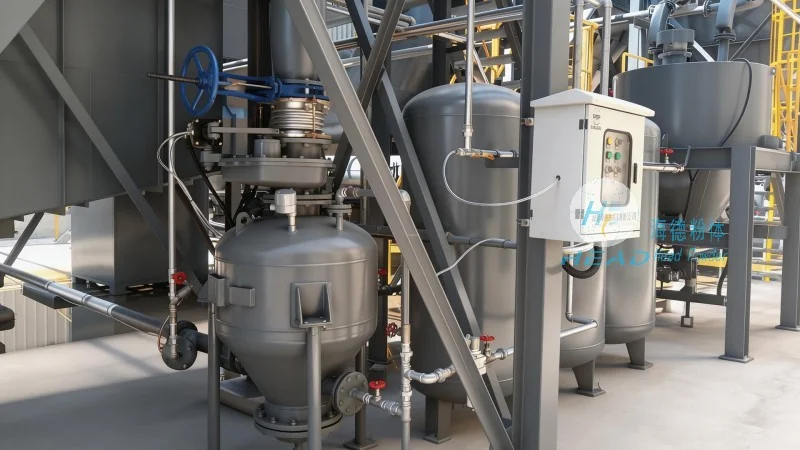
Maintenance and Safety Considerations
Maintaining the cement tanker material handling system is essential for long-term performance and safety. Regular maintenance includes inspecting the tanker’s hopper and discharge valve for wear, checking the conveyor system for blockages or damage, and verifying the control unit’s functionality. The system requires regular cleaning to prevent cement buildup, which can affect performance and safety. Safety is paramount, as cement poses respiratory and skin hazards. Operators must wear appropriate PPE (respirators, gloves) and follow strict protocols. The system incorporates emergency shut-off valves and pressure relief mechanisms to minimize risks. Regular safety training for operators is critical to ensure awareness of hazards and proper emergency response.
Conclusion
The cement tanker material handling system is a sophisticated and essential component of modern cement logistics, engineered to efficiently and safely transport bulk cement. Its operation process and working principle are optimized for efficiency, cost-effectiveness, and compliance with safety and environmental standards. The system’s components—tanker, conveyor, and control unit—work seamlessly to achieve operational goals. As a leading provider, Shandong HeadPowder Engineering Co., Ltd. specializes in designing, manufacturing, and implementing such systems, leveraging expertise to deliver reliable solutions. With a commitment to quality and innovation, HeadPowder upholds industry standards, supporting the growth of construction and industrial sectors worldwide.




