

Operation Process and Working Principle of PFA Material Conveying Lines
For industrial applications that require high-performance material handling, PFA (Polytetrafluoroethylene Alkyl Ester) material conveying lines offer reliable and efficient solutions. These systems are engineered to handle a wide range of materials, including powders, granules, and other bulk substances, while maintaining strict control over temperature, pressure, and flow rates. The design of PFA conveying lines leverages the unique properties of PFA, such as excellent chemical resistance, thermal stability, and low friction, making them ideal for demanding environments. As a leading manufacturer in the industry, Shandong HeadPowder Engineering Co., Ltd. specializes in the design, manufacturing, and supply of high-quality PFA material conveying lines, tailored to meet the specific needs of various industrial sectors.
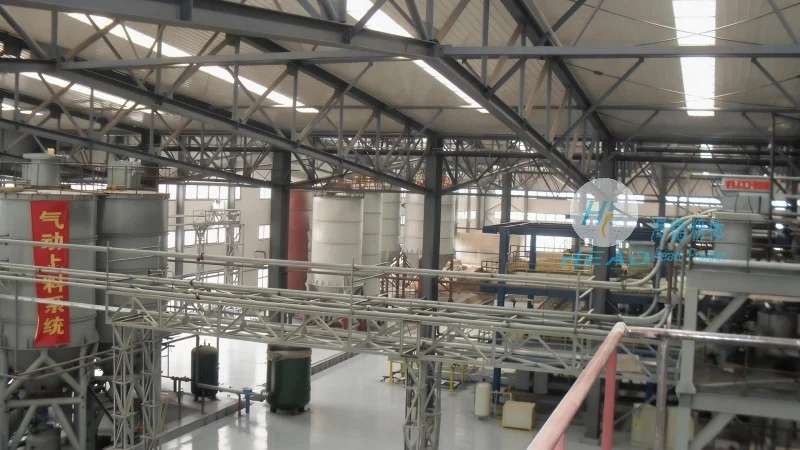
Components and Structure of PFA Conveying Lines
A typical PFA material conveying line consists of several key components, each playing a critical role in the overall operation. The main elements include the feeding hopper, which stores and feeds the material into the system; the conveyor pipe, made from PFA material to ensure compatibility with the conveyed substances; the drive unit, which provides the necessary power to move the material through the line; and the control system, which monitors and adjusts parameters like speed, pressure, and temperature. The PFA pipe is often manufactured using extrusion or co-extrusion techniques, ensuring a smooth inner surface that minimizes material buildup and reduces friction. This smooth surface also contributes to better flow characteristics and lower energy consumption during operation.
Working Principle of PFA Material Conveying Lines
The operation of PFA material conveying lines is based on the principle of pneumatic or mechanical transport, depending on the specific design. In pneumatic systems, compressed air or gas is used to create a pressure differential that propels the material through the PFA pipe. The material is typically fed into the system via a hopper, where it is then mixed with the carrier gas. As the gas flows through the pipe, it carries the material particles along, ensuring uniform distribution and consistent flow rates. Mechanical systems, on the other hand, use rotating components like screws or belts to move the material through the line. These mechanical conveyors are particularly effective for handling materials that are not easily transported by air, such as dense or abrasive powders. The PFA material used in the pipe and components provides excellent resistance to chemical corrosion and high temperatures, ensuring that the system can operate in harsh conditions without degradation.
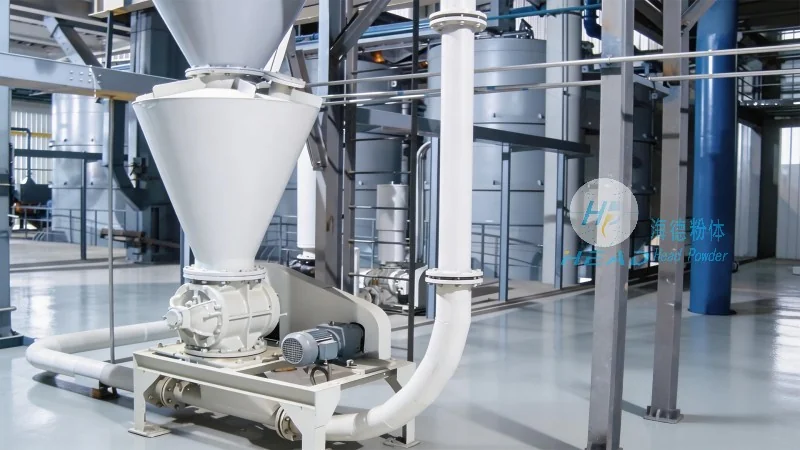
Operation Process of PFA Material Conveying Lines
The operation process of PFA material conveying lines involves several sequential steps that ensure efficient and safe material handling. First, the material is loaded into the feeding hopper, which is typically equipped with a level sensor to monitor the material level. Once the hopper is filled, the material is fed into the PFA conveyor pipe through a valve or feeder. The drive unit then activates, providing the necessary force to move the material through the line. The control system continuously monitors parameters such as pressure, temperature, and flow rate, adjusting the operation as needed to maintain optimal performance. As the material travels through the PFA pipe, it is transported to the discharge point, where it is collected in a storage bin or directly fed into the next processing stage. The entire process is designed to minimize downtime and maximize productivity, with the PFA material's properties ensuring that the system operates smoothly and reliably over extended periods.
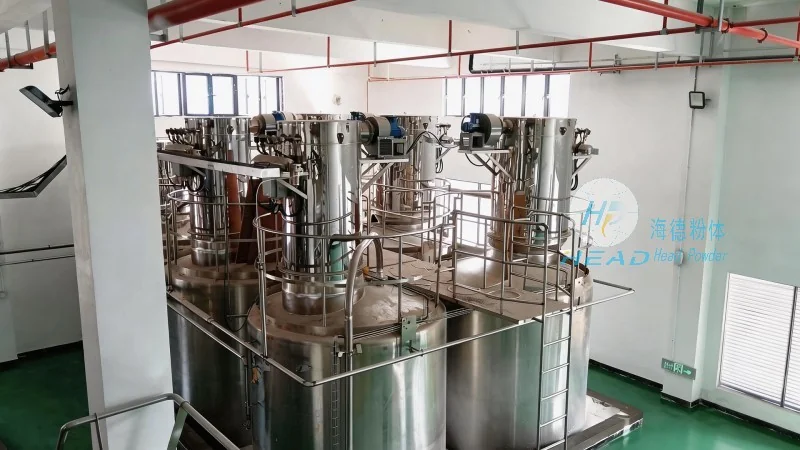
Advantages of PFA Material Conveying Lines
PFA material conveying lines offer several advantages over traditional conveying systems, making them a preferred choice for many industrial applications. One of the key benefits is the excellent chemical resistance of PFA, which allows the system to handle a wide range of corrosive materials without degradation. This makes PFA conveying lines suitable for industries such as chemical processing, pharmaceuticals, and food processing, where material compatibility is critical. Additionally, PFA's thermal stability enables the system to operate at high temperatures, up to around 260°C, without losing its mechanical properties. This is particularly important for materials that require high-temperature processing or handling. The low friction coefficient of PFA also reduces energy consumption and minimizes material wear, leading to lower maintenance costs and longer system life. Furthermore, the smooth inner surface of PFA pipes prevents material buildup and clogging, ensuring consistent flow rates and reducing the need for frequent cleaning.
Applications of PFA Material Conveying Lines
PFA material conveying lines are widely used in various industrial sectors due to their versatility and reliability. In the chemical industry, they are used to transport corrosive chemicals, solvents, and other hazardous materials, ensuring safe and efficient handling. In the pharmaceutical industry, PFA conveying lines are employed to handle active pharmaceutical ingredients (APIs) and other sensitive materials, maintaining strict contamination control. The food and beverage industry also utilizes PFA conveying lines for transporting powders, granules, and other food products, as PFA is FDA-approved and meets food safety standards. Additionally, PFA conveying lines are used in the electronics industry for transporting powders used in the manufacturing of semiconductors and other electronic components, where cleanliness and material purity are paramount. The ability of PFA to resist moisture and maintain its properties in humid environments also makes it suitable for applications in the aerospace and automotive industries, where materials are often exposed to harsh conditions.