

Operation Process and Working Principle of Inorganic Salt Crystal Material Conveying Line
Understanding the operation process and working principle of inorganic salt crystal material conveying lines is crucial for optimizing material handling in industrial settings. These systems are designed to efficiently transport crystalline materials, such as those used in chemical and pharmaceutical industries, ensuring smooth and reliable production flows. The following sections will delve into the key components, operational steps, and technical aspects that define the functionality of these specialized conveying systems.
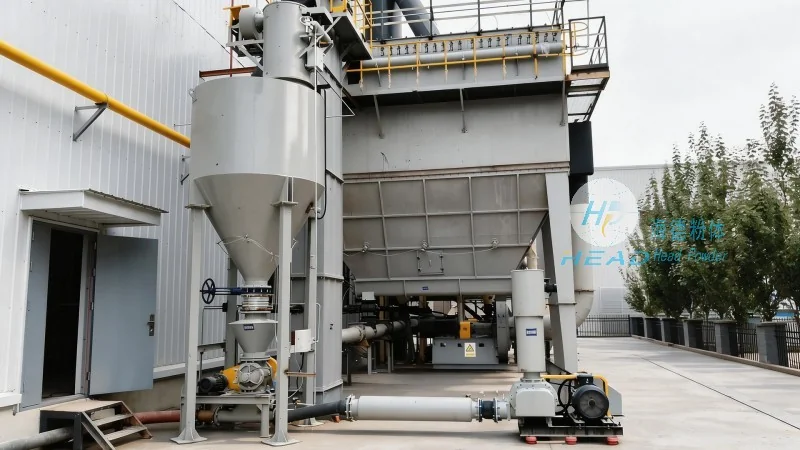
Key Components of the Conveying Line
The inorganic salt crystal material conveying line typically consists of several critical components that work in tandem to ensure effective material transport. These include feed hoppers, conveyor belts or screw conveyors, control systems, and discharge mechanisms. Each component plays a vital role in maintaining the integrity and flow of the crystalline material throughout the process. For instance, the feed hopper is responsible for storing and regulating the input of the salt crystals, while the conveyor system (either belt or screw) provides the mechanical force to move the material along the designated path. The control system, often integrated with sensors and automation technology, monitors the entire process, adjusting parameters as needed to prevent blockages or overloading. Finally, the discharge mechanism ensures that the material is delivered to the next stage of processing or storage without any loss or contamination. These components are meticulously designed and manufactured by Shandong HeadPowder Engineering Co., Ltd. (headpowder) to meet the specific requirements of industrial applications.
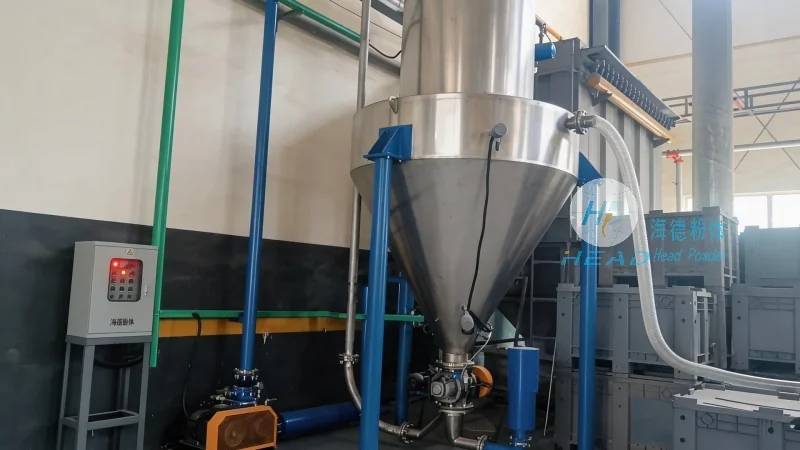
Operation Process: Step-by-Step Overview
The operation of an inorganic salt crystal material conveying line follows a systematic sequence of steps that ensure consistent and efficient material handling. The process begins with the loading of the salt crystals into the feed hopper. The hopper’s design, often equipped with a level indicator, allows operators to monitor the material volume and adjust the feed rate accordingly. Once the material is in the hopper, the control system activates the conveyor, which then transports the crystals through the line. The conveyor may include features such as inclines or bends, which are engineered to maintain the material’s flow without causing degradation or breakage of the crystals. As the material moves, sensors along the line detect any potential blockages or variations in flow, triggering automatic adjustments to maintain optimal performance. The discharge mechanism then collects the material and directs it to the next processing unit or storage area. This step-by-step approach ensures that the conveying line operates smoothly, minimizing downtime and maximizing productivity.
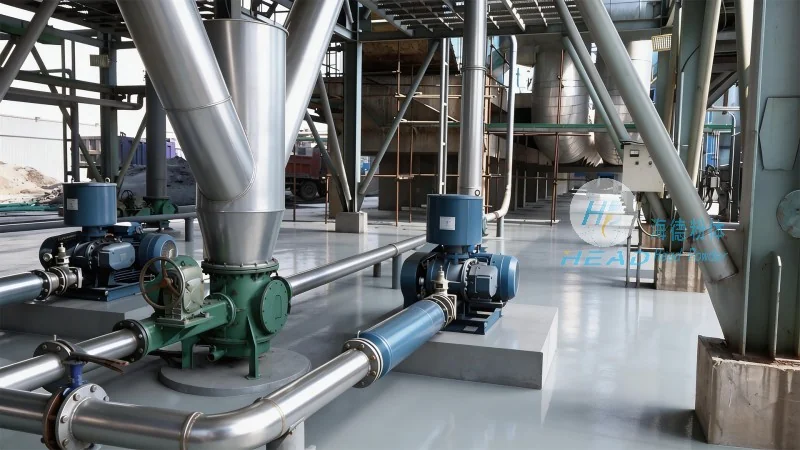
Working Principle: Mechanical and Control Integration
The working principle of the inorganic salt crystal material conveying line combines mechanical movement with advanced control systems to achieve precise material handling. The core mechanism involves the use of conveyor belts or screw conveyors, which apply a continuous force to move the crystalline material. The belt conveyor, for example, uses a motor-driven pulley system to pull the belt, which is equipped with a series of rollers to support the material and reduce friction. This design is particularly effective for transporting bulk materials like salt crystals, as it minimizes the risk of material degradation due to excessive pressure or friction. The screw conveyor, on the other hand, utilizes a rotating screw to push the material forward, making it suitable for materials with higher moisture content or those that require more controlled movement. Both systems are integrated with sensors, such as load cells and position sensors, which provide real-time data on the material flow and system performance. This data is then processed by the control system, which adjusts the speed of the conveyor or the feed rate to maintain optimal conditions. Additionally, the system may include safety features, such as emergency stop buttons and overload protection, to prevent accidents and ensure operational safety.
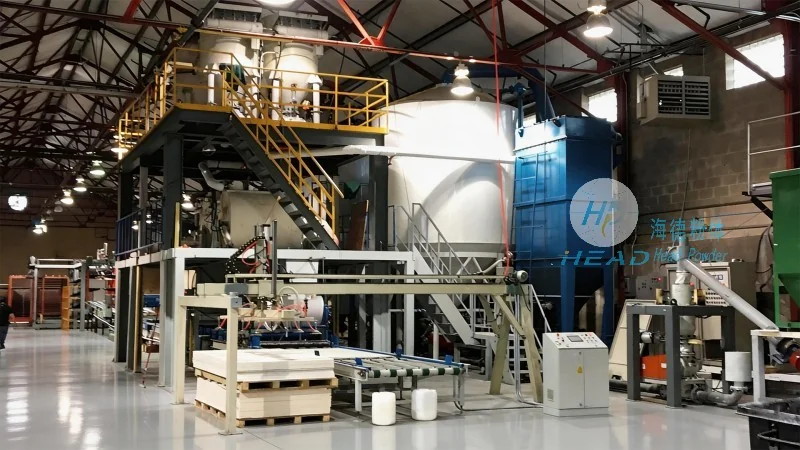
Benefits and Applications in Industrial Settings
The inorganic salt crystal material conveying line offers several benefits that make it an essential component in various industrial applications. One of the primary advantages is its ability to handle bulk materials efficiently, reducing the need for manual labor and minimizing the risk of material loss or contamination. The system’s design, which minimizes friction and impact, helps preserve the quality of the salt crystals, which is critical in industries such as pharmaceuticals or food processing. Additionally, the integration of automation and control systems allows for precise monitoring and adjustment, leading to improved productivity and reduced downtime. These conveying lines are commonly used in the chemical industry for transporting raw materials like sodium chloride or potassium chloride, as well as in the pharmaceutical sector for handling active ingredients and excipients. The reliability and efficiency of these systems make them a preferred choice for manufacturers seeking to streamline their production processes and enhance overall operational performance.