

Operation Process and Working Principle of PVC Powder Material Conveying Line
For industrial applications requiring efficient and reliable transport of PVC powder, the PVC powder material conveying line offers a robust solution. This system is engineered to handle the unique challenges associated with powder handling, ensuring consistent performance and minimal downtime. As a leading provider in the field, Shandong HeadPowder Engineering Co., Ltd. specializes in designing and manufacturing such systems that meet the highest standards of quality and durability.
About HeadPowder: Your Trusted Partner for Material Handling Solutions
HeadPowder, a division of Shandong HeadPowder Engineering Co., Ltd., is headquartered in Shandong, China. With years of experience in the material handling industry, the company has built a reputation for delivering innovative and efficient solutions tailored to the specific needs of clients. Our team of experts combines technical expertise with practical knowledge to develop conveying systems that optimize workflow and enhance productivity. By focusing on precision engineering and customer satisfaction, HeadPowder ensures that every product meets the rigorous demands of modern industrial operations.
The PVC Powder Conveying Line: Design and Functionality
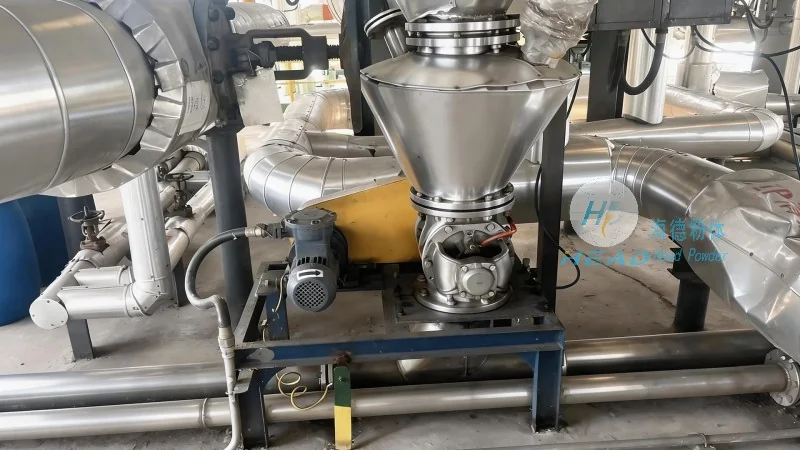
The PVC powder conveying line is a comprehensive system designed to transport PVC powder from storage to processing units with precision and efficiency. The system typically includes components such as hoppers, feeders, conveyors, and control panels, all integrated to work in harmony. The design prioritizes material flow optimization, ensuring minimal product degradation and consistent output. Key features include adjustable feed rates, variable speed conveyors, and advanced control systems that allow for real-time monitoring and adjustment. This ensures that the conveying process is both reliable and adaptable to varying production demands.
Operation Process of the PVC Powder Conveying Line
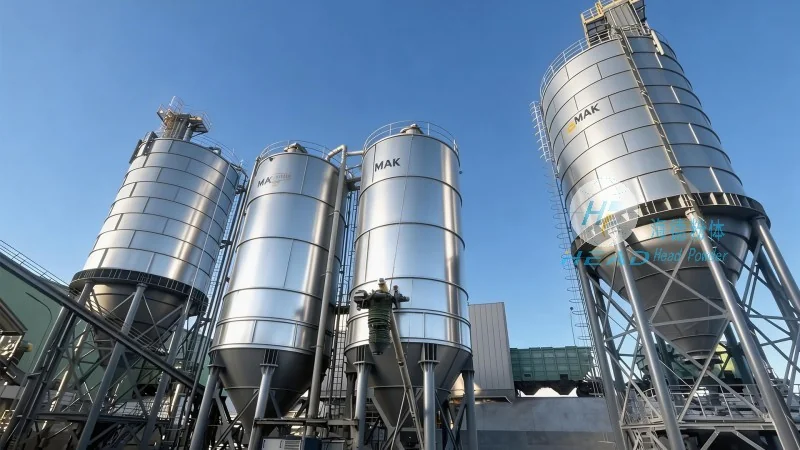
The operation of the PVC powder conveying line begins with the loading of PVC powder into the hopper. The hopper is equipped with a level sensor to monitor the material level, preventing overfilling or underfilling. Once the powder is ready, the feeder activates, controlling the flow rate into the conveyor. The conveyor then transports the powder to the processing unit, where it is further handled for manufacturing. The system includes safety features such as emergency stop buttons and overload protection to ensure operational safety. Regular maintenance checks are performed to maintain optimal performance, including cleaning of the hopper and conveyor to prevent material buildup and clogging.
Working Principle of the PVC Powder Conveying Line
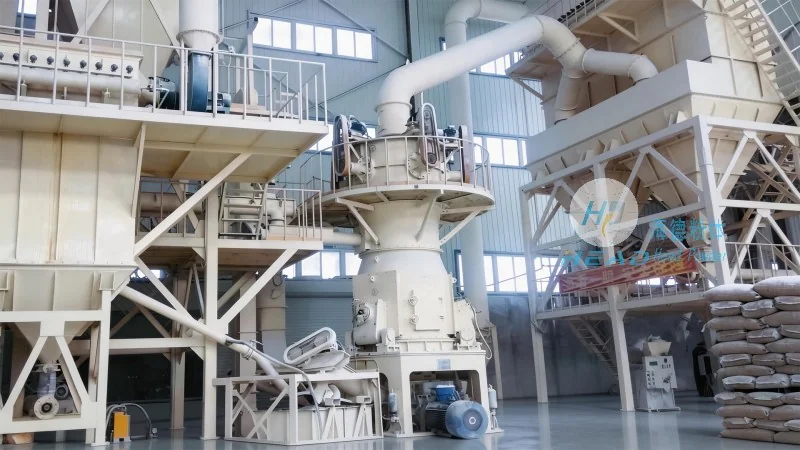
The working principle of the PVC powder conveying line is based on the principles of mechanical transport. The system utilizes a combination of gravity and mechanical force to move the powder through the system. The hopper provides a storage area where the powder is collected, and the feeder regulates the discharge rate. The conveyor, often a screw or belt conveyor, moves the powder along the designated path. The control panel manages the entire process, adjusting speeds and flow rates based on real-time data from sensors. This closed-loop system ensures that the conveying process is efficient and consistent, minimizing waste and maximizing throughput. The design also incorporates dust collection systems to maintain a clean and safe working environment, adhering to industrial safety standards.
Advantages and Benefits of the System
Implementing a PVC powder conveying line offers numerous advantages for industrial operations. The system enhances productivity by reducing manual handling and increasing the speed of material transport. It also improves product quality by minimizing exposure to air and moisture, which can affect the properties of PVC powder. The automated control systems provide precise monitoring and adjustment, ensuring consistent output and reducing the risk of errors. Additionally, the robust design of the system ensures long-term reliability, with minimal maintenance requirements. This results in lower operational costs and increased overall efficiency. The system is also scalable, allowing for expansion as production needs grow, making it a versatile solution for various industrial applications.