

What is an Ammonium Chloride Powder Conveyor? What is its Design Principle?
Ammonium chloride is a widely used chemical compound in various industrial applications, and the efficient handling of its powder form is crucial for many processes. A specialized piece of equipment designed for this purpose is the ammonium chloride powder conveyor. This article will explore what such a conveyor is and delve into the design principles that make it effective for transporting ammonium chloride powder.
Understanding the Ammonium Chloride Powder Conveyor
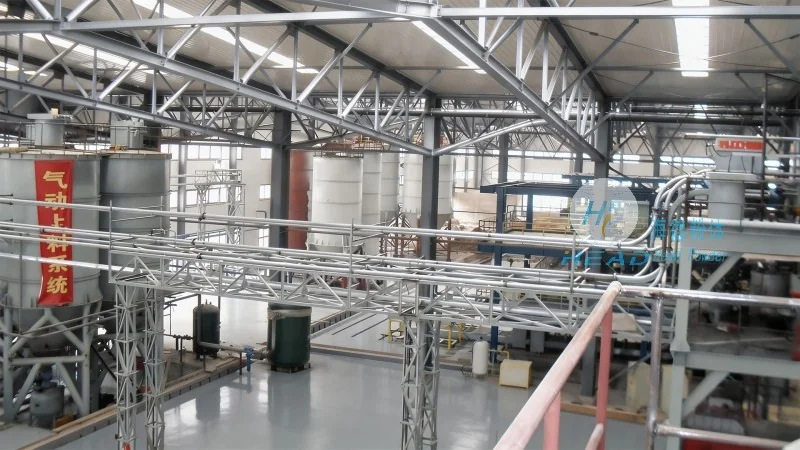
The ammonium chloride powder conveyor is a specialized system engineered to transport ammonium chloride in its powdered state from one location to another within industrial settings. It is essential for applications where the material needs to be moved without degradation, contamination, or loss. The conveyor is designed to handle the unique properties of ammonium chloride, such as its hygroscopic nature and potential for dust generation, ensuring safe and efficient operation.
Key Components of the Conveyor System
At the core of an ammonium chloride powder conveyor are several critical components that work together to ensure reliable performance. These include the hopper, which serves as the storage and feeding mechanism; the conveyor itself, which can be either a screw conveyor, pneumatic conveyor, or a combination of both; and the control system that regulates the flow and speed of the material. Each component is carefully selected and designed to accommodate the specific characteristics of ammonium chloride, such as its particle size, density, and flowability.
The Design Principles Behind the Conveyor
The design of an ammonium chloride powder conveyor is guided by several key principles aimed at optimizing performance, safety, and efficiency. One of the primary principles is the need for airtight and dust-proof construction to prevent the release of ammonium chloride dust into the environment, which is both a health hazard and a regulatory concern. The conveyor is typically constructed with materials that are resistant to corrosion and chemical reactions, as ammonium chloride can be corrosive under certain conditions.
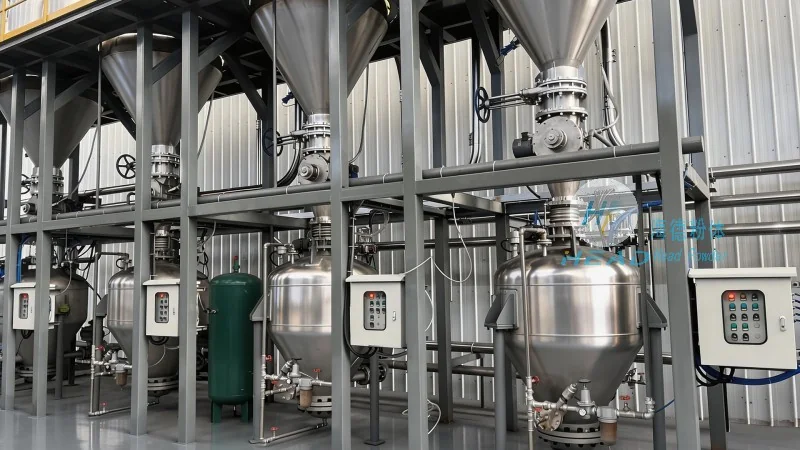
Another critical design principle is the consideration of the material's flow properties. Ammonium chloride is hygroscopic, meaning it absorbs moisture from the air, which can affect its flowability and cause clumping. The conveyor design incorporates features like agitators or vibrators to maintain consistent flow and prevent blockages. Additionally, the system is designed to minimize friction and wear, as the abrasive nature of the powder can cause damage to the conveyor components over time.
How the Conveyor Works: A Step-by-Step Overview
The operation of an ammonium chloride powder conveyor involves a series of steps that ensure the material is transported smoothly and safely. The process typically begins with the material being fed into the hopper from a storage silo or bulk container. The hopper is equipped with a feeding mechanism, such as a rotary valve or a gate, which controls the flow rate of the powder into the conveyor. The conveyor then transports the material through a pipeline or a series of connected sections, using either mechanical force (in the case of a screw or belt conveyor) or air pressure (in the case of a pneumatic conveyor).
In a pneumatic conveyor system, for example, compressed air is used to create a flow of air and powder mixture, which moves the material through the pipeline. The design of the pipeline, including the diameter and angle of the bends, is carefully calculated to minimize pressure loss and ensure consistent flow. The system also includes filters and dust collectors to capture any particles that may escape, further enhancing safety and compliance with environmental regulations.
Benefits of Using an Ammonium Chloride Powder Conveyor
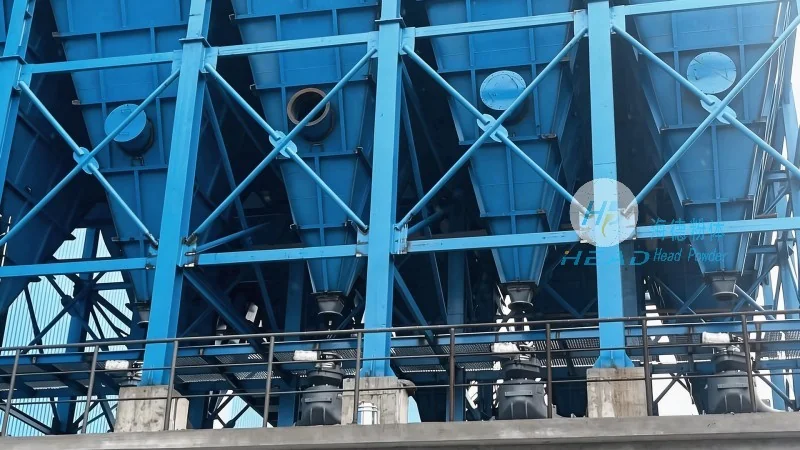
Implementing an ammonium chloride powder conveyor offers several significant benefits for industrial operations. First, it improves safety by containing the material and preventing dust exposure, which is crucial for protecting workers and the environment. Second, it enhances efficiency by providing a continuous and reliable method of transporting the powder, reducing downtime and labor costs associated with manual handling. Third, the design of the conveyor minimizes material loss and degradation, ensuring that the ammonium chloride remains in its optimal condition for downstream processes.
Customization and Adaptability
Given the diverse applications of ammonium chloride in industries such as agriculture, pharmaceuticals, and chemical manufacturing, the ammonium chloride powder conveyor is often customized to meet specific operational requirements. Manufacturers like Shandong HeadPowder Engineering Co., Ltd. offer tailored solutions that consider factors such as the volume of material to be transported, the distance of the transport, and the specific handling needs of the facility. This adaptability ensures that the conveyor system is optimized for each individual application, maximizing performance and cost-effectiveness.
Conclusion: The Importance of Proper Design and Implementation
In conclusion, the ammonium chloride powder conveyor is a vital piece of equipment for industries that handle ammonium chloride powder. Its design is based on principles that address the unique challenges posed by the material, including its hygroscopic nature, dust generation, and potential for corrosion. By understanding these design principles and the components that make up the system, industrial facilities can select and implement an effective conveyor that enhances safety, efficiency, and overall operational performance. With proper design and maintenance, an ammonium chloride powder conveyor can provide reliable service for years, contributing to the smooth operation of industrial processes.