

Operation Process and Working Principle of Quicklime Material Conveying Lines
Quicklime, also known as calcium oxide (CaO), is a critical industrial material widely used in various sectors including construction, steel production, and chemical manufacturing. The efficient and reliable transportation of quicklime from production sites to processing facilities is essential for maintaining production efficiency and ensuring product quality. This article provides a detailed overview of the operation process and working principle of quicklime material conveying lines, highlighting the key components, operational steps, and technical considerations involved in the system.
Key Components of Quicklime Conveying Systems
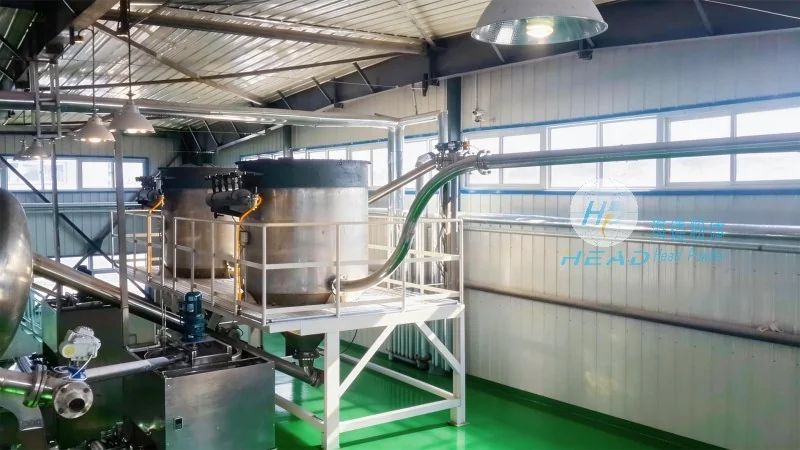
The quicklime material conveying line typically consists of several core components that work in tandem to ensure smooth material handling. These components include feed hoppers, conveyor belts or screw conveyors, pneumatic transport systems, and control panels. Each component plays a crucial role in the overall functionality of the system. For instance, feed hoppers are designed to store and regulate the flow of quicklime, preventing material buildup and ensuring a consistent feed rate. Conveyor belts or screw conveyors are used for horizontal or vertical material transport, depending on the layout of the production facility. Pneumatic transport systems, such as air slides or pneumatic conveyors, are often employed for long-distance or high-temperature material transport, providing flexibility and efficiency. Control panels equipped with sensors and automation systems monitor and control the entire conveying process, ensuring safety and optimal performance.
Operation Process of Quicklime Conveying Lines
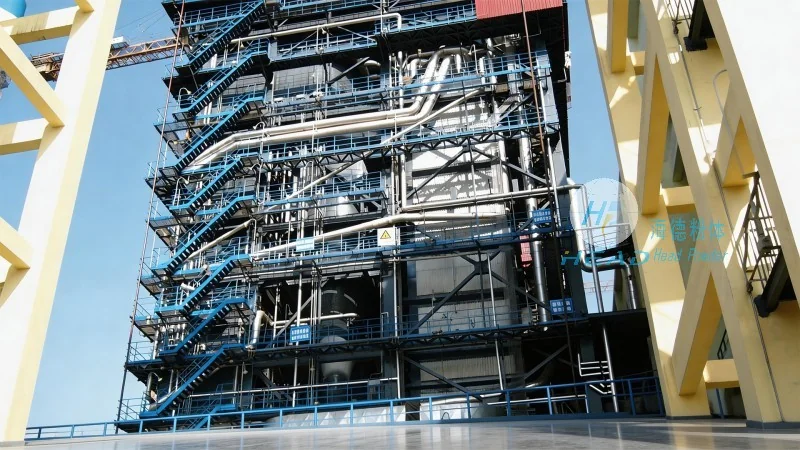
The operation process of a quicklime material conveying line involves several sequential steps that ensure the material is transported from the source to the destination efficiently. The process typically begins with the loading of quicklime into the feed hopper. The hopper is equipped with a gate or valve that controls the flow rate of the material. Once the material is released from the hopper, it is fed into the conveyor system. Conveyor belts or screw conveyors move the quicklime along the designated path, either horizontally or vertically, depending on the system design. For vertical transport, elevators or vertical conveyors are used to lift the material to higher levels. Pneumatic transport systems may be activated to transport the material over longer distances or through complex layouts. The material is then discharged at the receiving end, where it is stored in silos or directly fed into the next processing stage. Throughout the operation, sensors and control systems continuously monitor parameters such as flow rate, pressure, and temperature to ensure the system operates within safe and optimal conditions. Any deviations are immediately detected and corrected by the control panel, preventing system downtime and material loss.
Working Principle of Quicklime Conveying Systems
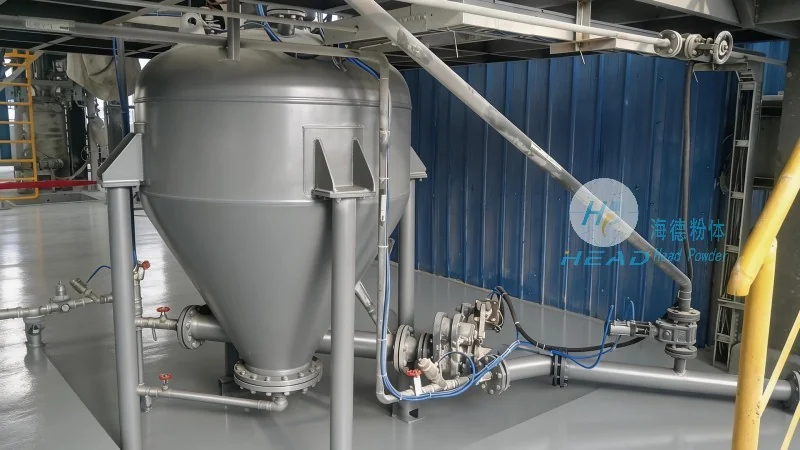
The working principle of quicklime material conveying lines is based on mechanical or pneumatic forces that move the material from the source to the destination. Mechanical conveying systems, such as belt conveyors and screw conveyors, rely on the friction between the material and the conveying surface to move the material forward. The conveyor belt or screw rotates, creating a moving surface that pulls the quicklime along its path. The speed of the conveyor and the angle of inclination determine the material's flow rate and the distance it can be transported. Pneumatic conveying systems, on the other hand, use compressed air to transport the material through a pipeline. The quicklime is fed into the pipeline, and the air pressure propels the material forward. The air flow rate and pressure are carefully controlled to ensure the material is transported efficiently without causing blockages or excessive wear on the system components. The choice between mechanical and pneumatic conveying depends on factors such as the material's characteristics, the distance to be covered, and the system's layout. Both systems are designed to handle the abrasive and reactive nature of quicklime, ensuring durability and reliability.
Technical Considerations for Quicklime Conveying Lines
When designing and operating quicklime material conveying lines, several technical considerations must be taken into account to ensure the system's efficiency and longevity. One of the primary considerations is the material's properties, such as its moisture content, particle size, and reactivity. Quicklime is highly reactive with water and can generate heat during handling, which may affect the conveying system's performance. Therefore, proper moisture control and temperature management are essential. The conveying system must be constructed from materials that are resistant to corrosion and wear, such as stainless steel or special alloys, to withstand the abrasive nature of quicklime. Additionally, the system must be equipped with proper sealing and dust control measures to prevent dust emissions and protect the environment. The control system should be robust and user-friendly, allowing operators to monitor and adjust the conveying parameters as needed. Regular maintenance and inspection are also crucial to ensure the system operates at peak performance and to prevent unexpected failures.
About Shandong HeadPowder Engineering Co., Ltd.
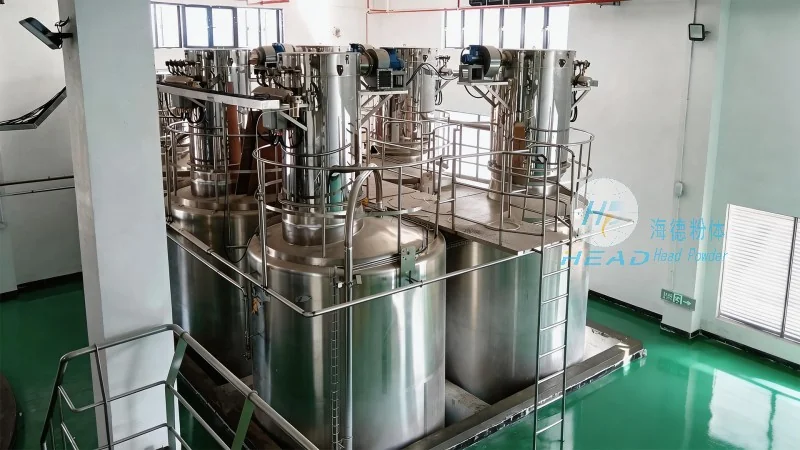
Shandong HeadPowder Engineering Co., Ltd., commonly known as HeadPowder, is a leading manufacturer and supplier of industrial material handling equipment, including quicklime material conveying lines. With years of experience in the industry, HeadPowder specializes in designing and manufacturing customized conveying systems tailored to the specific needs of clients. The company's products are known for their high quality, durability, and efficiency, meeting the stringent requirements of various industrial applications. HeadPowder's team of engineers and technicians work closely with clients to understand their production processes and provide solutions that enhance productivity and reduce operational costs. The company is committed to providing reliable and sustainable solutions for material handling, contributing to the growth and success of its clients' businesses. With a strong focus on innovation and customer satisfaction, HeadPowder has established itself as a trusted partner in the industrial material handling sector.