

Operation Process and Working Principle of Tonne Bag Material Conveying Lines
HeadPowder, a leading engineering company based in Shandong, China, specializes in the design, manufacturing, and installation of advanced material handling systems. This article provides a detailed overview of the operation process and working principle of tonne bag material conveying lines, highlighting the key components, operational steps, and technical aspects that ensure efficient material transport in industrial settings.
Understanding Tonne Bag Material Conveying Lines
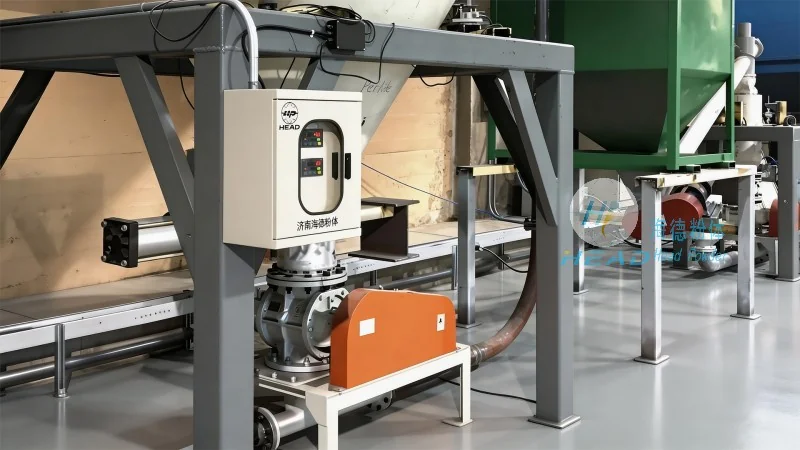
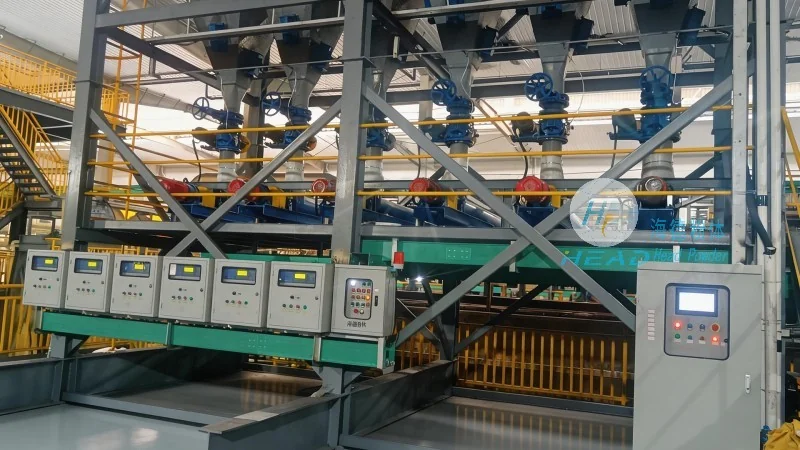
Tonne bag material conveying lines are specialized systems engineered to handle bulk materials in large quantities, typically stored in flexible containers like tonne bags or super sacks. These systems are widely used in industries such as mining, construction, agriculture, and chemical processing, where the efficient movement of heavy and bulky materials is critical for operational productivity. The design of these conveying lines is tailored to meet the specific requirements of each application, ensuring durability, reliability, and optimal performance under various operational conditions.
Key Components of a Tonne Bag Material Conveying Line
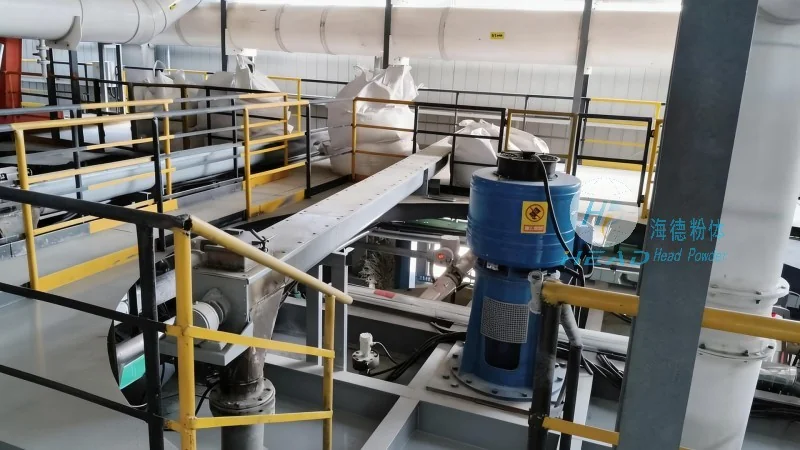
The tonne bag material conveying line consists of several essential components that work in tandem to facilitate material transport. The primary components include:
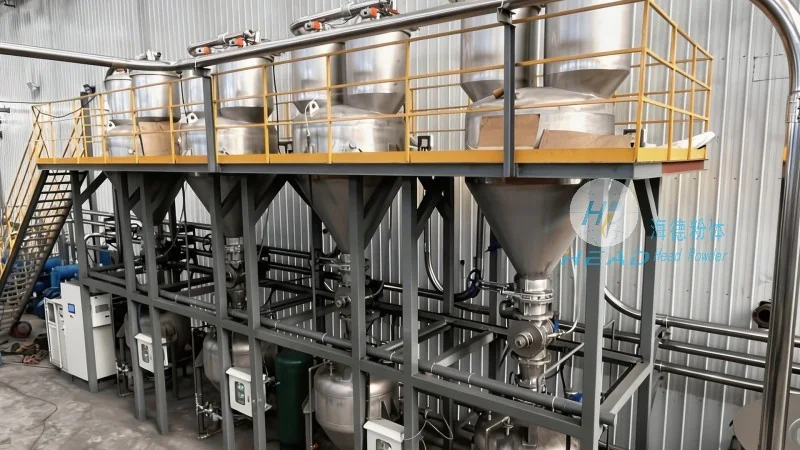
- Tonne Bag Loading Station: This is the initial stage where tonne bags are loaded with bulk materials. The loading station typically features a hopper or a loading hopper that allows for the smooth transfer of materials into the bags. The design of the loading station is crucial as it must ensure that the material is evenly distributed and that the bags are properly sealed to prevent spillage or contamination. The hopper may include a feeding mechanism, such as a screw feeder or a vibratory feeder, to control the flow rate of the material into the tonne bags. This ensures consistent bag filling and prevents overloading, which could lead to bag damage or material loss.
- Conveyor System: The conveyor system is the core of the tonne bag material conveying line. It can be either a belt conveyor or a screw conveyor, depending on the material characteristics and the required transport distance. The conveyor is responsible for moving the loaded tonne bags from the loading station to the unloading point. The choice of conveyor type is influenced by factors such as material density, flowability, and the need for vertical or horizontal transport. For example, a belt conveyor is suitable for horizontal or slight incline transport, while a screw conveyor is ideal for vertical or inclined transport of granular materials. The conveyor system may include idlers, pulleys, or a screw mechanism to provide the necessary traction and movement.
- Unloading Station: The unloading station is where the material is discharged from the tonne bags. This station may include a discharge hopper or a discharge mechanism that allows for controlled unloading of the material. The unloading process is designed to minimize dust generation and ensure that the material is transferred efficiently to the next stage of processing or storage. The unloading station may feature a bag opening mechanism, such as a hydraulic or pneumatic cutter, that safely opens the tonne bag without damaging the material inside. The discharge hopper is typically equipped with a gate or valve to regulate the flow rate of the material, preventing overloading of downstream equipment.
- Control System: A sophisticated control system is integrated into the tonne bag material conveying line to monitor and regulate the operation of all components. The control system uses sensors and automation technology to ensure that the conveyor operates at optimal speed, the loading and unloading processes are synchronized, and any potential issues are detected and addressed promptly. This system enhances the overall efficiency and safety of the conveying line. The control system may include a human-machine interface (HMI) that allows operators to monitor the status of the conveying line and adjust parameters as needed. It may also include alarm systems that trigger notifications in case of abnormal conditions, such as a blockage or a low material level.
The Operation Process of Tonne Bag Material Conveying Lines
The operation of a tonne bag material conveying line involves a series of coordinated steps that ensure the smooth and continuous transport of materials. The process typically begins with the preparation of the tonne bags, which are filled with bulk materials at the loading station. The filled bags are then transported by the conveyor system to the unloading station, where the material is discharged into a storage or processing facility.