Understanding the fundamental principles of sawdust particle pneumatic conveying systems is crucial for optimizing material handling processes in various industrial applications. These systems utilize air or gas as the conveying medium to transport dry, free-flowing materials like sawdust efficiently over long distances. The core technology involves creating a pressure differential that propels the particles through a pipeline, ensuring reliable and continuous material transport without the need for mechanical components like belts or buckets.
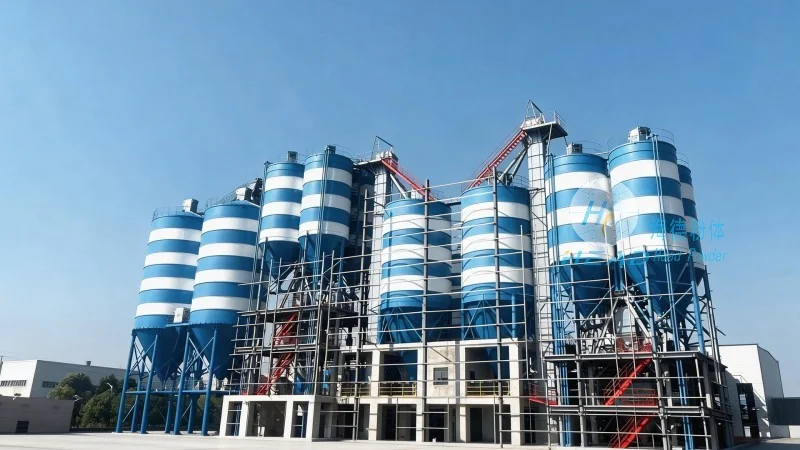
Key Components and Their Functions
The sawdust particle pneumatic conveying system typically consists of several critical components, each playing a vital role in the overall operation. The primary components include the material hopper, which stores the sawdust and feeds it into the system; the air compressor or blower, which generates the necessary airflow to move the particles; the conveying pipeline, which forms the path for the material transport; and the discharge hopper or collection unit, where the material is deposited at the destination. Additionally, control valves and filters are often integrated to regulate airflow and maintain system efficiency.
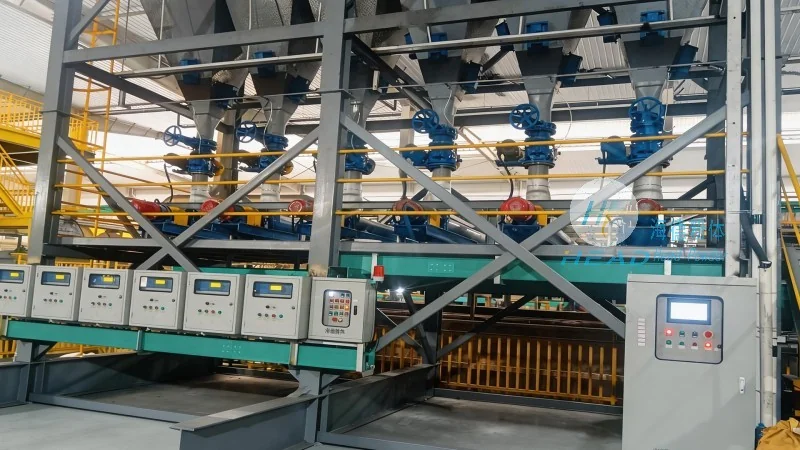
Working Principle of Pneumatic Conveying
The operation of a sawdust particle pneumatic conveying system is based on the principle of fluidization and pressure differential. When air is introduced into the material hopper at a controlled rate, it creates a low-pressure zone that draws the sawdust particles into the pipeline. The air flow then carries the particles through the conveying line, maintaining a consistent velocity to prevent particle deposition or blockage. The system can operate in either positive or negative pressure modes, depending on the application requirements. In positive pressure systems, the pipeline is pressurized above atmospheric pressure, while negative pressure systems maintain a vacuum relative to the environment. This flexibility allows the system to handle different material characteristics and transport distances effectively.
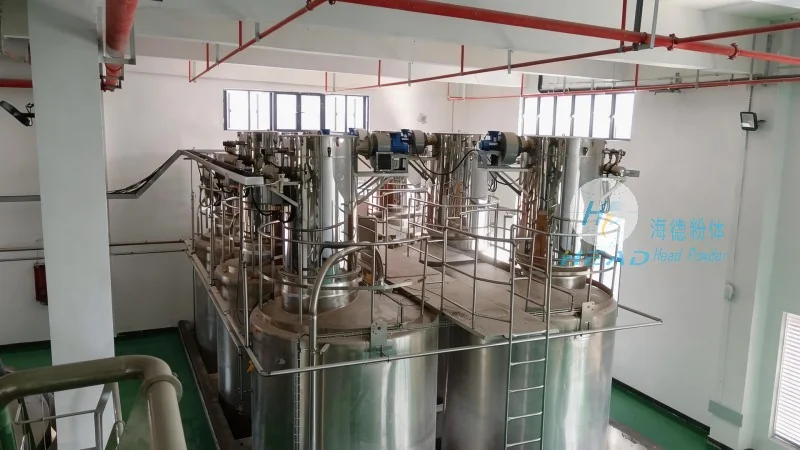
Advantages of Sawdust Pneumatic Conveying
Compared to traditional mechanical conveying methods, sawdust particle pneumatic conveying systems offer several advantages that enhance operational efficiency and material handling capabilities. One of the key benefits is the ability to transport materials over long distances without the need for intermediate transfer points, reducing downtime and labor costs. The system also provides a dust-free and hygienic environment, which is particularly important for sawdust applications where contamination control is critical. Additionally, pneumatic conveying systems are less prone to material degradation, as the particles are not subjected to friction or mechanical stress during transport. This helps maintain the quality and integrity of the sawdust, ensuring it meets the required specifications for downstream processes.
Application Considerations and System Design
When designing a sawdust particle pneumatic conveying system, several factors must be considered to ensure optimal performance and reliability. The first consideration is the material characteristics, such as particle size, density, and moisture content, as these parameters affect the air flow requirements and system design. For example, finer sawdust particles may require higher air velocities to prevent clogging, while larger particles may need additional equipment like feeders or agitators to ensure consistent flow. The second factor is the transport distance and elevation changes, as these determine the necessary pressure and airflow capacity. Engineers must calculate the required air pressure and volume to maintain the desired conveying velocity and prevent particle deposition. Additionally, the system layout, including the number and length of pipelines, and the placement of components, must be carefully planned to minimize pressure losses and ensure smooth material flow.
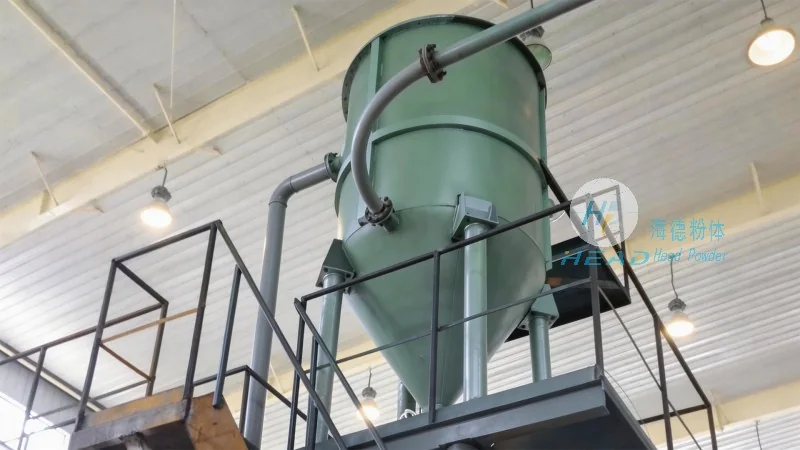
Maintenance and Operational Tips
Proper maintenance and operational practices are essential to maximize the lifespan and efficiency of a sawdust particle pneumatic conveying system. Regular inspection of components such as air compressors, filters, and pipelines is crucial to identify and address potential issues before they escalate into major problems. Filters should be cleaned or replaced regularly to prevent clogging and maintain airflow efficiency. The conveying pipeline should be checked for any signs of wear or damage, such as corrosion or cracks, which could lead to material leakage or system failure. Additionally, the system should be operated within the recommended parameters, including air pressure and flow rates, to avoid overloading or underloading the components. By following these maintenance and operational guidelines, users can ensure the reliable and efficient operation of the sawdust particle pneumatic conveying system, minimizing downtime and maximizing productivity.




