HeadPowder, a leading enterprise in the field of material handling technology, specializes in the design, manufacturing, and implementation of advanced pneumatic conveying systems. This article delves into the fundamental principles of a bicarbonate of soda pneumatic conveying system, highlighting its operational mechanics, key components, and practical applications within industrial settings.
Understanding the Core Components and Operational Mechanics
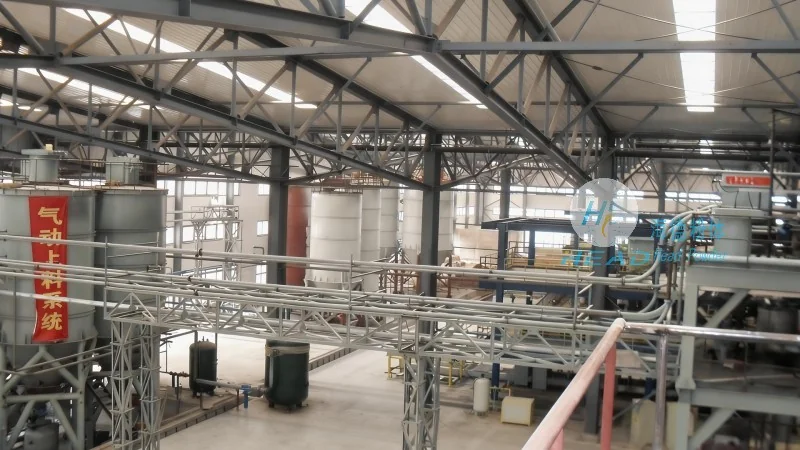
The bicarbonate of soda pneumatic conveying system operates on the principle of transporting bulk materials through a pressurized air stream. At the heart of this system are several critical components that work in concert to ensure efficient material transfer. The system typically includes a hopper for material storage, a feeder to control the flow rate, a conveying line (often equipped with bends and straight sections), and a receiver for the delivered material. The air compressor generates the necessary pressure to move the material, while the air filter and regulator maintain consistent air quality and pressure levels. A key feature is the use of a venturi or eductor to accelerate the air flow, which enhances the material's suspension and movement through the pipeline.
Key Advantages of Bicarbonate of Soda Pneumatic Conveying Systems
For industries dealing with bicarbonate of soda, the pneumatic conveying system offers several distinct advantages over traditional methods such as belt conveyors or bucket elevators. One of the primary benefits is the ability to handle fine powders without the risk of clogging or degradation. The system’s enclosed design minimizes dust emissions, ensuring compliance with environmental regulations and improving workplace safety. Additionally, the system allows for flexible routing, enabling materials to be transported over long distances or through complex layouts without the need for multiple transfer points. The low maintenance requirements and energy efficiency of modern pneumatic conveying systems also contribute to operational cost savings for businesses.
Application Scenarios and Industry Integration
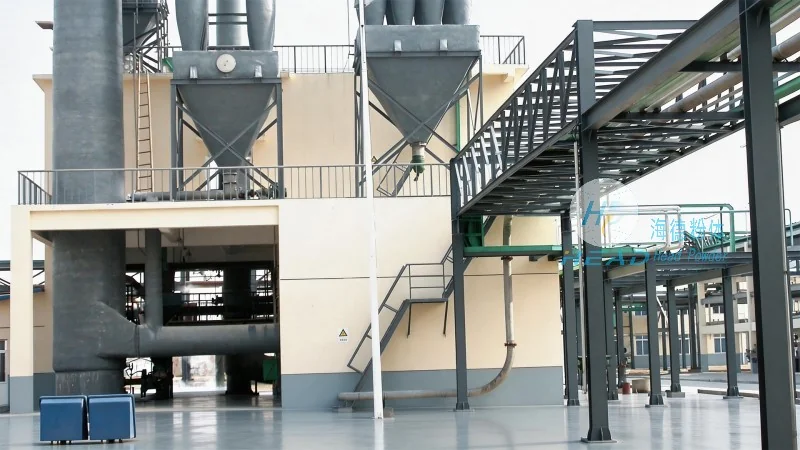
Bicarbonate of soda, commonly used in food processing, pharmaceuticals, and chemical manufacturing, benefits significantly from pneumatic conveying systems. In food processing facilities, the system ensures hygienic and dust-free transfer of ingredients, maintaining product quality and safety standards. In pharmaceutical applications, the enclosed and sterile design of the system prevents contamination, aligning with stringent regulatory requirements. The chemical industry utilizes these systems for transporting raw materials and intermediates, where precise control over flow and pressure is crucial for reaction processes. The versatility of the system makes it adaptable to various production scales, from small-scale batch operations to large-scale continuous production lines.
Technical Considerations and System Optimization
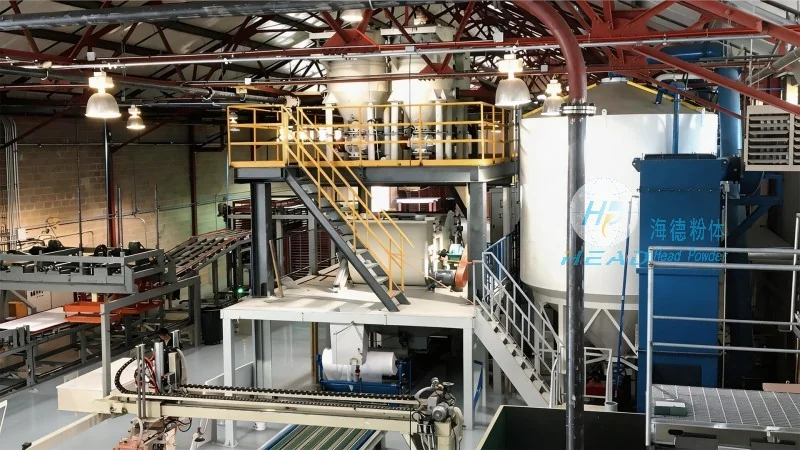
Implementing an effective bicarbonate of soda pneumatic conveying system requires careful consideration of several technical factors. The selection of the appropriate air pressure and flow rate is critical to prevent material degradation or pipeline blockages. The design of the conveying line, including the use of appropriate pipe diameters and bend radii, minimizes pressure losses and ensures smooth material flow. Regular maintenance, such as cleaning the filter and checking for air leaks, is essential to maintain system efficiency and longevity. Advanced control systems can be integrated to automate the feeding process, adjusting flow rates based on real-time demand, further optimizing operational performance. By addressing these technical aspects, businesses can maximize the efficiency and reliability of their pneumatic conveying systems.
Conclusion and Company Overview
HeadPowder Engineering Co., Ltd., based in Shandong, China, is a trusted provider of specialized pneumatic conveying solutions tailored to the unique needs of industries handling bicarbonate of soda. With a focus on innovation and customer-centric design, the company delivers systems that enhance operational efficiency, ensure product quality, and meet regulatory standards. The principles and components discussed in this article reflect the company’s commitment to advancing material handling technology, providing reliable and efficient solutions for a diverse range of industrial applications.




