

Principle of Lead Powder Pneumatic Conveying System
Lead powder, a critical material in various industrial applications, requires efficient and reliable handling methods to ensure process stability and safety. The pneumatic conveying system emerges as a sophisticated solution for transporting lead powder from one location to another within industrial facilities. This article delves into the fundamental principles, operational mechanisms, and key components of a lead powder pneumatic conveying system, highlighting its advantages and practical applications.
Core Principles of Pneumatic Conveying for Lead Powder
The pneumatic conveying system operates on the principle of transporting solid particles, such as lead powder, using a gas stream (typically air or a mixture of air and other gases). The system can be categorized into two main types: positive pressure and negative pressure systems. Positive pressure systems generate air pressure at the discharge point, pushing the material through the pipeline, while negative pressure systems create a vacuum at the intake point, drawing the material into the system. For lead powder, which is often abrasive and can generate dust, the choice of system type and design parameters is crucial to minimize material degradation and ensure system longevity. Key design considerations include the gas-solid flow ratio, which determines the velocity of the material in the pipeline, and the pressure drop across the system, which affects the energy consumption. Engineers typically calculate the optimal gas flow rate based on the material's bulk density, particle size distribution, and the desired conveying velocity to achieve efficient and stable transport.
Key Components and Their Functions
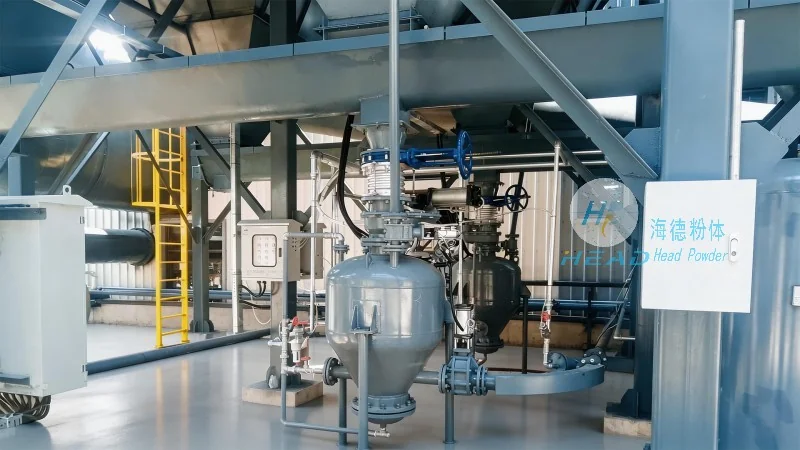
A lead powder pneumatic conveying system comprises several essential components, each playing a vital role in the overall operation. The primary components include the material feed hopper, which stores and feeds the lead powder into the system; the air compressor or vacuum pump, which provides the necessary air pressure or vacuum; the conveying pipeline, which transports the material; the control valves and regulators, which manage the flow rate and pressure; and the discharge hopper or receiver, which collects the material at the destination. Additionally, filters and dust collectors are integrated to capture any lead powder particles that may escape during the conveying process, ensuring environmental compliance and operational safety. The pipeline design, including diameter and material (e.g., stainless steel or special coatings), is tailored to withstand the abrasive nature of lead powder and prevent material buildup or corrosion.
Advantages of Lead Powder Pneumatic Conveying Systems
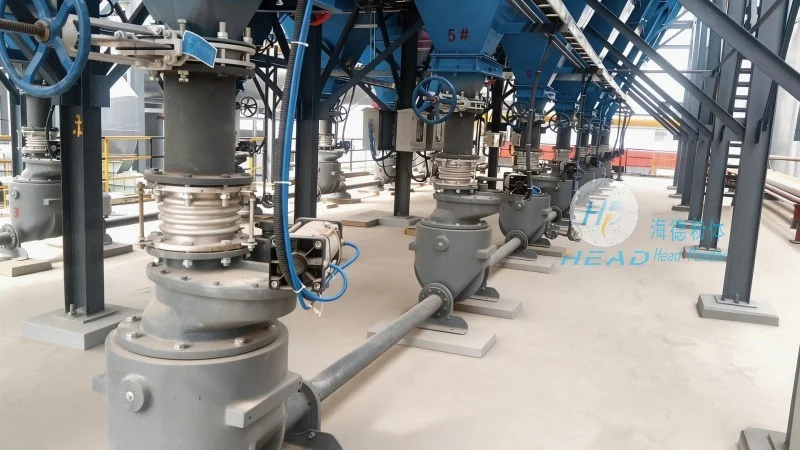
Compared to traditional mechanical conveying methods, lead powder pneumatic conveying systems offer several distinct advantages. Firstly, they eliminate the need for mechanical components like belts, buckets, or screw conveyors, reducing the risk of material contamination and mechanical failure. Secondly, the system provides a closed-loop operation, minimizing dust exposure and improving workplace safety. Thirdly, pneumatic conveying allows for flexible routing of the pipeline, enabling the material to be transported to multiple destinations from a single source. Furthermore, the system can handle lead powder with varying particle sizes and moisture content, adapting to different production requirements. The efficiency of the system is also enhanced by optimized gas-solid flow ratios, which maximize material transport while minimizing energy consumption. Additionally, the system reduces labor costs associated with manual handling and improves overall production throughput.
HeadPowder Engineering's Expertise in Lead Powder Conveying Solutions
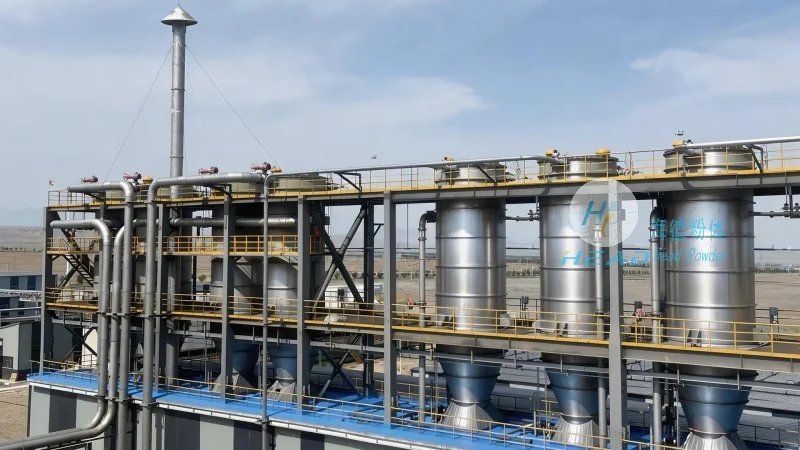
Shandong HeadPowder Engineering Co., Ltd., a leading provider of industrial conveying solutions, specializes in designing and manufacturing customized lead powder pneumatic conveying systems tailored to the specific needs of clients. With years of experience in the industry, HeadPowder leverages advanced engineering principles and state-of-the-art technology to develop systems that meet stringent safety and performance standards. The company's approach involves a thorough understanding of the client's production processes, material characteristics, and operational constraints to design a system that optimizes efficiency, reduces downtime, and ensures long-term reliability. HeadPowder's team of engineers and technicians work closely with clients to provide comprehensive solutions, including system design, installation, and maintenance services. By partnering with HeadPowder, industrial facilities can benefit from a reliable and efficient lead powder conveying system that enhances productivity and operational safety. The company's headquarters are located in Shandong, China, and its brand is commonly known as headpowder, reflecting its focus on high-quality, specialized conveying equipment for lead powder applications.
Applications and Industry Impact
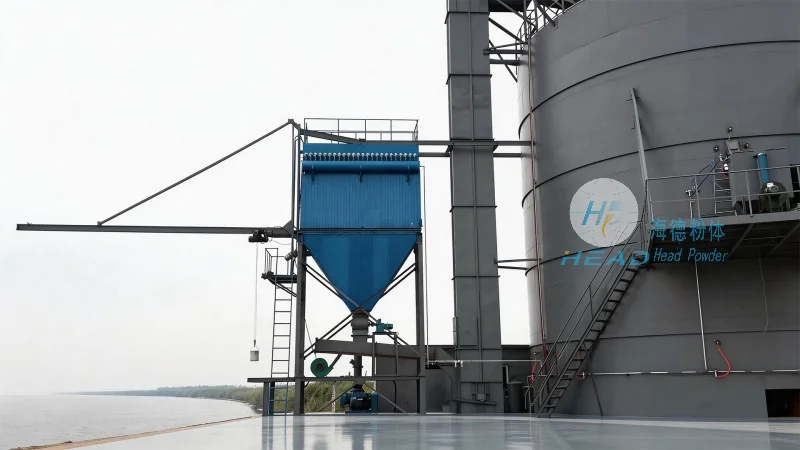
Lead powder pneumatic conveying systems are widely used in various industries where lead powder is a key component, including battery manufacturing, pigment production, and metal processing. In battery manufacturing, the system efficiently transports lead powder to the production lines, ensuring consistent material quality and reducing the risk of material handling errors. In pigment production, the system helps maintain the purity of lead-based pigments by preventing contamination during transport. The system's ability to handle abrasive materials like lead powder also makes it suitable for metal processing applications, where the material may be mixed with other components or processed under high temperatures. The adoption of lead powder pneumatic conveying systems has significantly improved the efficiency and safety of industrial operations, contributing to the overall productivity and sustainability of the industry. Industrial facilities in regions like Shandong, China, have particularly benefited from the local expertise and customized solutions offered by HeadPowder, enhancing their competitive edge in lead-based product manufacturing.
Conclusion and Future Directions
In conclusion, the lead powder pneumatic conveying system represents a sophisticated and efficient solution for handling lead powder in industrial applications. By understanding the core principles, key components, and advantages of such systems, industrial facilities can make informed decisions about implementing or upgrading their material handling processes. With the expertise of companies like Shandong HeadPowder Engineering Co., Ltd., the development and implementation of reliable lead powder conveying systems have become more accessible and effective. As industrial processes continue to evolve, the demand for advanced material handling solutions will likely increase, driving further innovation in pneumatic conveying technology. The future of lead powder handling lies in the integration of smart technologies, such as sensors and automation, to enhance system performance and operational efficiency. This will enable more precise control over material flow, reduce energy consumption, and improve overall system reliability, ensuring that lead powder pneumatic conveying systems remain a cornerstone of efficient industrial material transport.