HeadPowder, a leading engineering firm based in Shandong, China, specializes in the design and implementation of advanced pneumatic conveying systems for various industrial applications. This article delves into the fundamental principles behind the operation of a borax pneumatic conveying system, highlighting the technical aspects, components, and operational efficiency that define this critical process in material handling.
Introduction to Borax Pneumatic Conveying
Borax, a key industrial chemical with applications in glass manufacturing, detergents, and pharmaceuticals, is often handled in bulk quantities. Traditional methods of transporting borax, such as belt conveyors or trucks, can be inefficient, costly, and environmentally unfriendly. Pneumatic conveying offers a more streamlined solution, enabling the safe and efficient transport of borax from storage to processing units. The core principle of pneumatic conveying involves using air or other gases to move bulk materials through a pipeline system, eliminating the need for mechanical components that may cause wear and tear or contamination.
Key Components of a Borax Pneumatic Conveying System
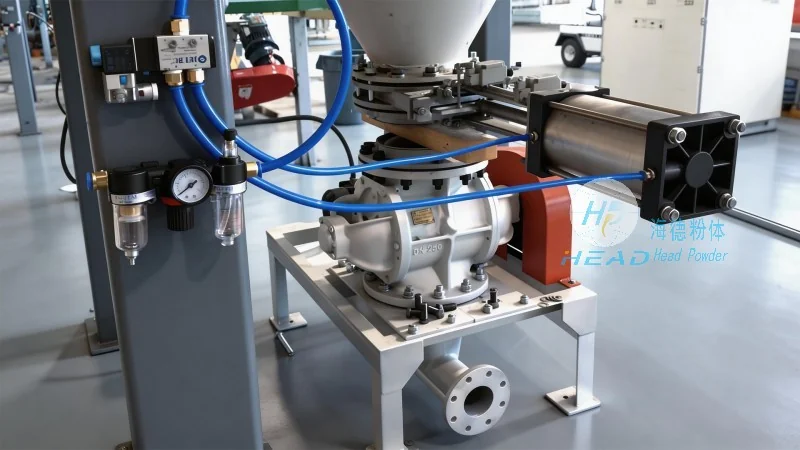
A borax pneumatic conveying system comprises several essential components, each playing a crucial role in the overall operation. The primary components include a material feeder, a conveying line, a pressure vessel or receiver, and a control system. The material feeder is responsible for feeding borax into the system at a controlled rate, ensuring consistent flow. The conveying line, typically made of stainless steel or other corrosion-resistant materials, transports the borax mixture through the system. The pressure vessel or receiver collects the conveyed material and may include features like a dust filter to maintain air quality. The control system monitors and regulates the pressure, flow rate, and other parameters to ensure optimal performance.
Working Principle of the System
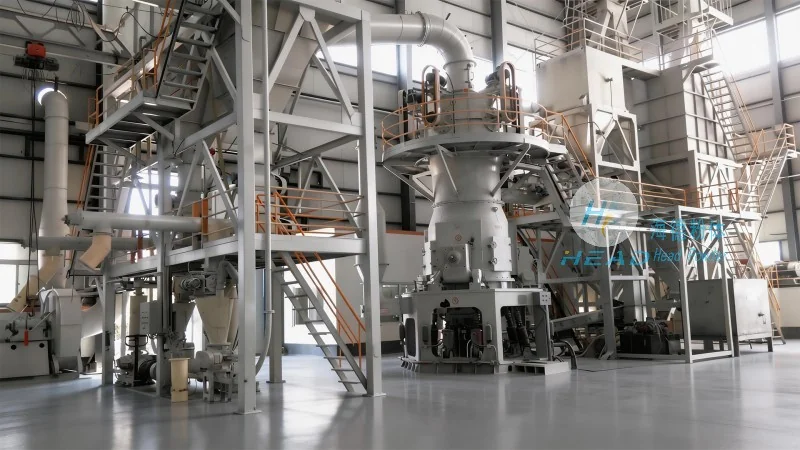
The operation of a borax pneumatic conveying system is based on the principle of fluidization and pneumatic transport. In the system, air is introduced into the conveying line at a high velocity, creating a stream that lifts and transports the borax particles. This process is often categorized as either pressure or vacuum conveying, depending on the system design. In pressure conveying, a positive pressure is maintained throughout the system, pushing the material forward. In vacuum conveying, a negative pressure is created at the receiving end, drawing the material through the line. For borax, which is a dry, free-flowing material, pressure conveying is commonly used due to its ability to handle long distances and multiple transfer points efficiently.
Advantages of Borax Pneumatic Conveying
Implementing a pneumatic conveying system for borax offers numerous advantages over traditional methods. Firstly, it significantly reduces labor costs by automating the material handling process. Secondly, it minimizes material loss and contamination, as the system is enclosed and sealed, preventing exposure to the environment. Thirdly, it enhances safety by eliminating the need for manual handling of bulk materials, reducing the risk of accidents and exposure to dust. Additionally, pneumatic conveying systems are highly flexible, allowing for easy integration with existing production lines and the ability to transport materials to multiple destinations from a single source. The energy efficiency of these systems also contributes to lower operational costs over time.
Application and Integration
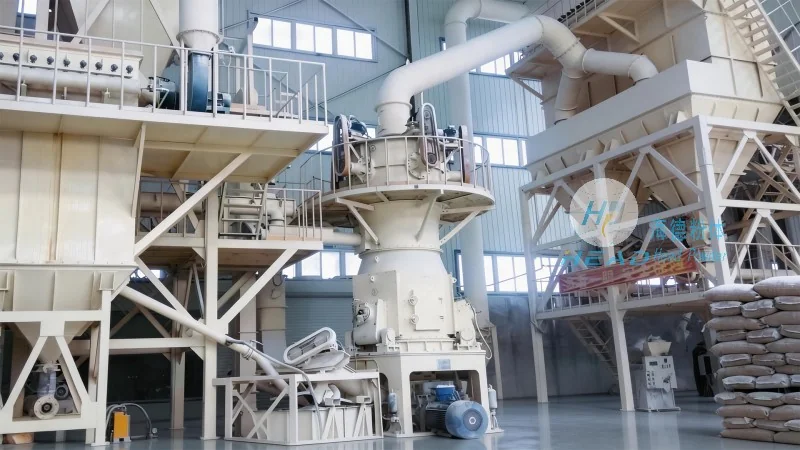
Borax pneumatic conveying systems are widely used in industrial settings where bulk material transport is required. In glass manufacturing, for example, borax is used as a flux to lower the melting point of silica. The pneumatic system ensures that borax is delivered to the furnace in a controlled manner, maintaining consistent quality and reducing downtime. Similarly, in detergent production, borax is a key ingredient, and the system ensures that it is mixed with other components accurately and efficiently. The flexibility of the system allows it to be adapted to various production scales, from small-scale operations to large industrial plants.
Conclusion
HeadPowder Engineering Co., Ltd., with its expertise in engineering and material handling solutions, provides comprehensive services for the design, installation, and maintenance of borax pneumatic conveying systems. By leveraging the principles of pneumatic transport, these systems offer a reliable and efficient method for handling borax, enhancing productivity and reducing operational costs. As industries continue to seek more sustainable and efficient material handling solutions, the borax pneumatic conveying system remains a critical component in modern industrial operations.




