

Principle of Clay Pneumatic Conveying Systems
Clay, a widely used material in various industrial applications, often presents unique challenges when it comes to material handling and transportation. Traditional methods such as belt conveyors or bucket elevators may struggle with the high moisture content and cohesive nature of clay, leading to blockages, material degradation, or operational inefficiencies. To address these challenges, the clay pneumatic conveying system has emerged as a highly effective solution, leveraging the principles of air movement to transport clay particles efficiently and reliably. This system, designed and manufactured by Shandong HeadPowder Engineering Co., Ltd., represents a cutting-edge approach to clay handling, combining advanced engineering with practical application to meet the demands of modern industrial processes.
Core Principles of Pneumatic Conveying
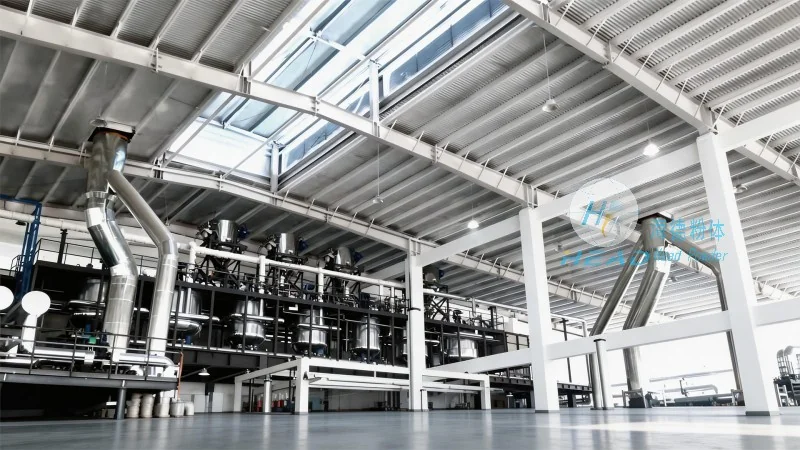
The fundamental principle of a pneumatic conveying system is the use of compressed air to create a flow that propels solid particles through a pipeline. In the case of clay, the system operates by generating a high-velocity air stream that entrains the clay particles, forming a dense phase or dilute phase flow depending on the system design and operational parameters. The key components of a typical clay pneumatic conveying system include a material feed hopper, a rotary airlock valve, a conveying pipeline, a receiver or silo, and a dust collection system. Each component plays a critical role in ensuring the smooth and continuous transport of clay, minimizing downtime and maximizing throughput.
Advantages of Using Pneumatic Conveying for Clay
Compared to traditional mechanical conveying methods, clay pneumatic conveying systems offer several distinct advantages. First, they eliminate the need for physical contact between the clay particles and the conveying equipment, reducing wear and tear on components and extending the system's lifespan. Second, the system can handle high moisture content clay without the risk of clogging or material degradation, as the air stream effectively dries and transports the particles. Third, pneumatic conveying systems are highly flexible, allowing for vertical, horizontal, or mixed-direction transport, and can be easily integrated into existing industrial processes. Additionally, they provide better control over material flow, enabling precise dosing and reducing material loss. These advantages make clay pneumatic conveying systems an ideal choice for industries such as ceramics, construction materials, and chemical processing, where efficient and reliable clay handling is crucial.
Key Components and Their Functions
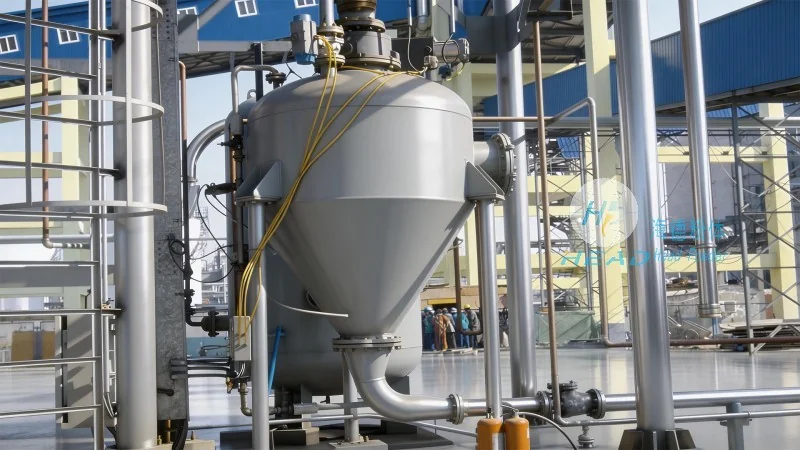
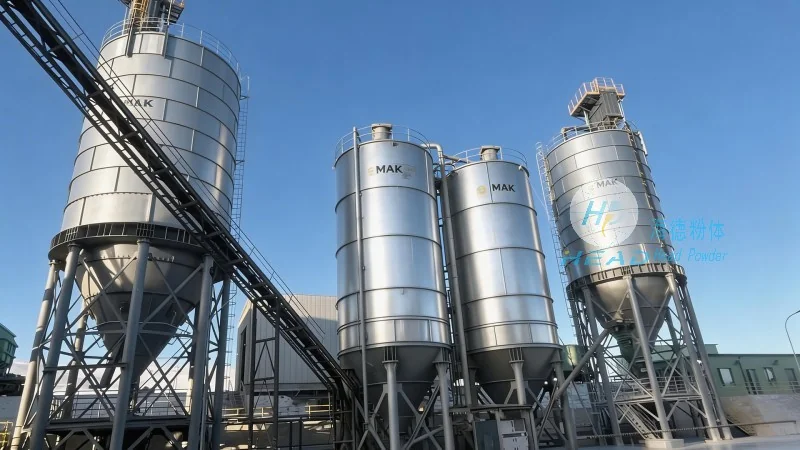
Understanding the individual components of a clay pneumatic conveying system is essential for optimizing its performance. The material feed hopper is responsible for storing and feeding the clay into the system, ensuring a consistent flow rate. The rotary airlock valve acts as a gate between the hopper and the conveying pipeline, preventing backflow and maintaining pressure stability. The conveying pipeline, typically made of corrosion-resistant materials like stainless steel or PVC, transports the clay-air mixture from the feed point to the receiver. The receiver or silo collects the conveyed clay, allowing for subsequent processing or storage. Finally, the dust collection system, often including filters and cyclones, removes any airborne clay particles, ensuring compliance with environmental regulations and maintaining a clean working environment.
Operational Considerations and Best Practices
For optimal performance and longevity of a clay pneumatic conveying system, several operational considerations must be observed. First, the air pressure and flow rate must be carefully controlled to match the characteristics of the clay being conveyed, such as particle size, moisture content, and bulk density. Excessive air pressure can lead to excessive energy consumption and potential damage to the pipeline, while insufficient pressure may result in clogging or reduced throughput. Second, regular maintenance is crucial, including cleaning of the hopper, airlock valve, and pipeline to prevent buildup of clay residue. Third, monitoring system performance, such as pressure drops and flow rates, helps identify potential issues early and prevent system failures. By adhering to these best practices, users can maximize the efficiency and reliability of their clay pneumatic conveying system, ensuring consistent operation and minimal downtime.
Applications in Industrial Settings
Clay pneumatic conveying systems are widely used in various industrial applications where clay handling is a critical step. In the ceramics industry, for example, these systems are used to transport raw clay from storage silos to production lines, ensuring a consistent supply of material for brick, tile, and pottery manufacturing. In the construction materials sector, they are employed to convey clay for the production of cement, mortar, and other building materials, improving the efficiency of material processing and reducing labor costs. Additionally, in the chemical processing industry, clay pneumatic conveying systems are used to transport clay as a raw material or as a filter medium, enhancing the overall productivity of chemical plants. The versatility and effectiveness of clay pneumatic conveying systems make them a valuable asset in these and other industries, contributing to improved operational efficiency and reduced material handling costs.