

Principles of Glutinous Rice Pneumatic Conveying System
Glutinous rice, also known as sticky rice, is a staple ingredient in many Asian cuisines, prized for its unique texture and flavor. The efficient handling and transportation of this fine powder is crucial for manufacturers in the food processing industry. Pneumatic conveying systems have emerged as a reliable solution for moving such delicate and hygienic materials. This article delves into the fundamental principles behind a glutinous rice pneumatic conveying system, exploring its components, operational mechanisms, and benefits.
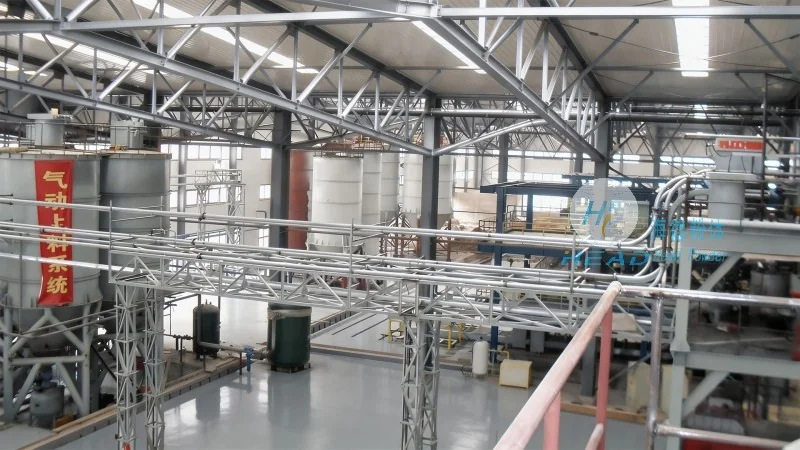
Core Components of a Pneumatic Conveying System
A typical pneumatic conveying system for glutinous rice consists of several key components that work in tandem to ensure smooth material transport. The primary elements include a hopper or feeder to store and meter the rice powder, a blower or air compressor to generate the necessary airflow, a pipeline network to direct the material and air, and a receiver or discharge unit to collect the conveyed material. Additionally, filters and cyclones may be integrated to separate the air from the powder and prevent dust accumulation, maintaining system efficiency and product quality.
How the System Works: The Pneumatic Conveying Process
The operation of a glutinous rice pneumatic conveying system relies on the principles of fluid dynamics and particle movement. When the blower starts, it creates a pressure differential within the pipeline. The rice powder is introduced into the system, either by gravity or through a rotary valve, and is then entrained by the moving air stream. As the air flows through the pipeline, it carries the rice particles along, maintaining a consistent flow rate. The system can operate in either positive or negative pressure modes, depending on the application and material characteristics. Positive pressure systems push the air and material through the line, while negative pressure systems draw the material into the system using suction. For glutinous rice, a positive pressure system is often preferred to avoid moisture absorption and maintain product integrity.
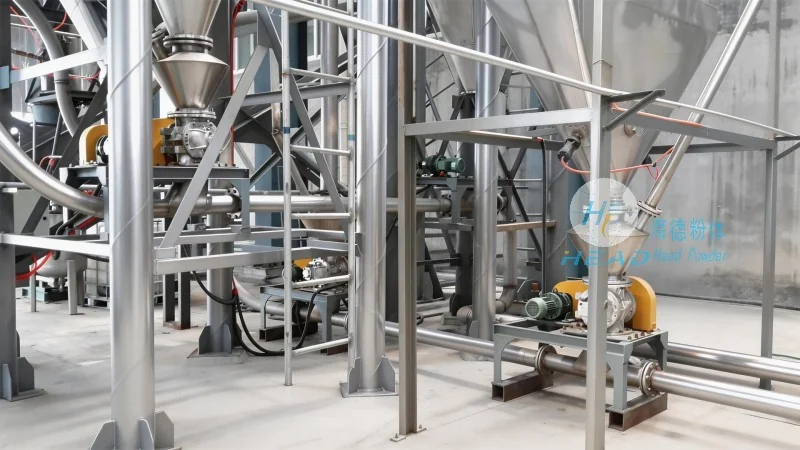
Advantages of Pneumatic Conveying for Glutinous Rice
Implementing a pneumatic conveying system for glutinous rice offers numerous advantages over traditional methods like bucket elevators or belt conveyors. Firstly, it provides a fully enclosed system, which is essential for maintaining hygiene standards in food processing. The enclosed design prevents contamination from external sources and minimizes dust dispersion, ensuring compliance with food safety regulations. Secondly, pneumatic conveying systems are highly flexible, allowing for changes in material flow direction and process layout without major structural modifications. This adaptability is particularly valuable in dynamic production environments where product lines may be adjusted frequently. Thirdly, the system offers excellent control over material flow rates and pressure, enabling precise dosing and preventing overloading or clogging. This precision is critical for maintaining consistent product quality and reducing waste. Furthermore, pneumatic conveying systems are relatively low in maintenance compared to mechanical alternatives, as they have fewer moving parts and are less prone to wear and tear. The energy efficiency of these systems also contributes to cost savings over time, making them a sustainable choice for manufacturers.
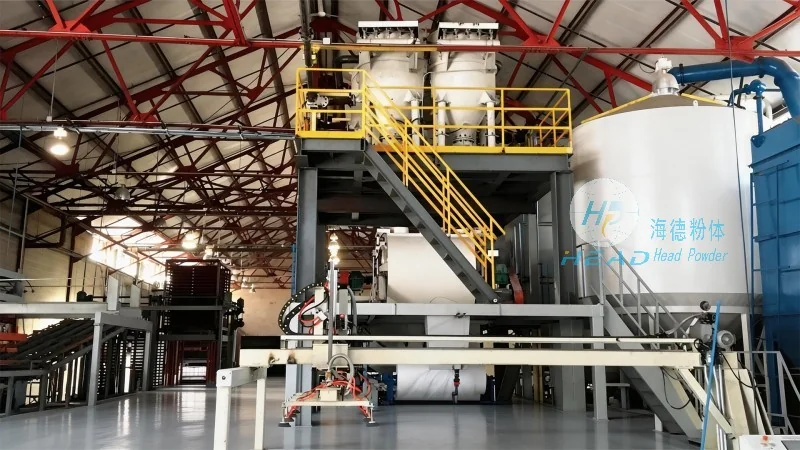
Application Considerations and Best Practices
When designing a pneumatic conveying system for glutinous rice, several factors must be considered to optimize performance and ensure longevity. Particle size and moisture content are key variables that influence system design. Fine, dry particles like glutinous rice are well-suited to pneumatic conveying, as they can be easily entrained by the air stream. However, high moisture content or agglomerated particles may require additional processing steps, such as drying or pre-screening, to improve flow characteristics. The system's capacity and flow rate must be matched to the production requirements, ensuring that the conveyor can handle the expected volume without bottlenecks. Proper sizing of the blower and pipeline diameter is critical to maintain sufficient air velocity to prevent particle settling and ensure reliable transport. Regular maintenance, including cleaning filters and checking for air leaks, is essential to maintain system efficiency and prevent downtime. Implementing a monitoring system to track pressure and flow rates can also help identify potential issues early, allowing for timely adjustments and reducing the risk of system failures.
About HeadPowder: Shandong HeadPowder Engineering Co., Ltd.
HeadPowder, or Shandong HeadPowder Engineering Co., Ltd., is a leading manufacturer specializing in the design and supply of pneumatic conveying systems tailored to the needs of the food processing industry. With a focus on innovation and quality, the company has established itself as a trusted partner for manufacturers handling sensitive materials like glutinous rice. HeadPowder's expertise lies in customizing systems to meet specific operational requirements, ensuring that clients receive solutions that are both efficient and cost-effective. The company's commitment to hygiene and compliance with industry standards makes their products ideal for food processing applications. Based in Shandong, China, HeadPowder leverages local manufacturing capabilities to deliver high-quality equipment while maintaining competitive pricing. Their team of engineers and technicians work closely with clients to understand their unique challenges and provide tailored solutions that enhance production efficiency and product quality.