

Principle of Ceramic Pneumatic Conveying Systems
HeadPowder, a leading provider of industrial conveying solutions, specializes in the design and implementation of ceramic pneumatic conveying systems. This article explores the fundamental principles behind these systems, detailing how they efficiently transport ceramic materials while maintaining material integrity and operational efficiency.
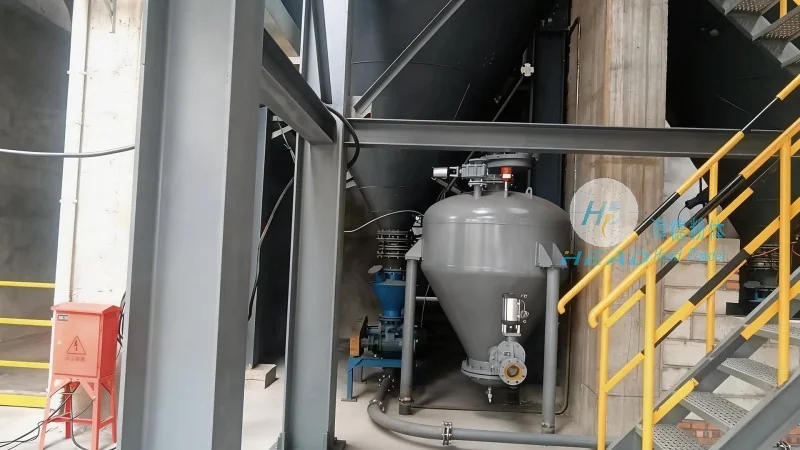
Understanding Ceramic Pneumatic Conveying Systems
Ceramic pneumatic conveying systems utilize air or other gases to transport bulk ceramic materials from one location to another. The core principle involves creating a pressure differential that propels the material through a pipeline. This method is particularly advantageous for handling delicate or abrasive ceramic powders and granules, as it minimizes material degradation compared to mechanical conveying methods.
The Core Components and Their Functions
Effective ceramic pneumatic conveying systems consist of several key components, each playing a critical role in the material transport process. These components include the hopper or feed device, the air supply system, the conveying line, and the receiver or discharge unit. The hopper is responsible for storing and feeding the ceramic material into the system, ensuring a consistent flow. The air supply system generates the necessary pressure or vacuum to move the material through the pipeline. The conveying line, typically made of materials resistant to abrasion and corrosion, transports the material from the feed point to the discharge point. Finally, the receiver collects the material and may include features like dust collection or filtration to maintain environmental standards.
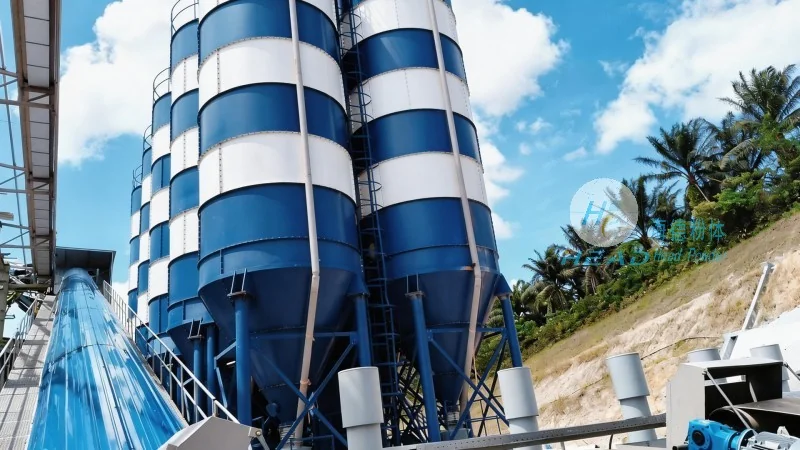
How the Conveying Process Works
The operation of a ceramic pneumatic conveying system begins with the material being introduced into the hopper. From there, it is fed into the conveying line under the influence of air pressure or suction. The air flow, often generated by a blower or vacuum pump, creates a stream that carries the ceramic particles along the pipeline. The velocity of the air is carefully controlled to ensure that the material is transported without causing excessive wear on the system components or damaging the ceramic particles themselves. This controlled flow is crucial for maintaining the quality of the ceramic material, which is often sensitive to impact or friction.
Advantages of Ceramic Pneumatic Conveying
Compared to traditional mechanical conveying methods, ceramic pneumatic conveying offers several significant advantages. First, it eliminates the need for moving parts in the conveying line, reducing maintenance requirements and extending the system's lifespan. Second, it minimizes material degradation, as the particles are not subjected to the friction and impact associated with mechanical systems. This is particularly important for high-value ceramic products where purity and particle size distribution are critical. Third, the system can handle a wide range of ceramic materials, from fine powders to larger granules, with consistent performance. Additionally, pneumatic conveying systems are flexible and can be easily integrated into existing production lines, allowing for modular expansion as production needs change.
Applications in the Ceramic Industry
Ceramic pneumatic conveying systems are widely used in various applications within the ceramic industry. These include the transport of raw materials such as clay, feldspar, and quartz from storage silos to processing equipment. They are also employed in the conveying of finished ceramic products, such as tiles, sanitaryware, and pottery, from production lines to packaging or storage areas. Furthermore, these systems are used in the handling of ceramic powders for applications like ceramic coatings, refractory materials, and advanced ceramic components, where precise control over material flow and particle size is essential.
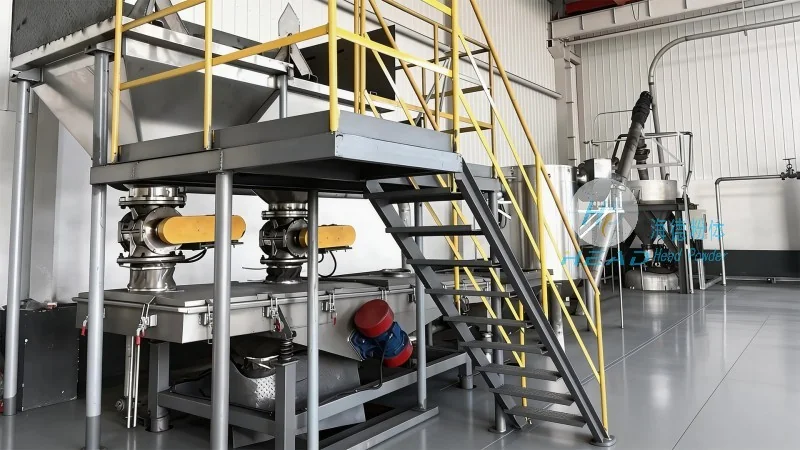
HeadPowder's Expertise in Ceramic Pneumatic Conveying
Shandong HeadPowder Engineering Co., Ltd., operating under the brand name HeadPowder, has established itself as a trusted provider of ceramic pneumatic conveying solutions. With a deep understanding of the unique challenges associated with handling ceramic materials, the company designs systems tailored to the specific needs of each client. HeadPowder's expertise lies in selecting the appropriate conveying method—whether pressure or vacuum-based—based on the material characteristics, distance to be conveyed, and environmental requirements. The company's engineers work closely with clients to ensure that the system not only meets operational efficiency goals but also adheres to safety and environmental standards. HeadPowder's commitment to quality and innovation has made it a preferred choice for businesses seeking reliable and efficient ceramic material handling solutions.
Conclusion
Ceramic pneumatic conveying systems represent a sophisticated and efficient method for transporting ceramic materials. By leveraging the principles of air movement and pressure differentials, these systems offer superior material handling capabilities compared to traditional methods. With the expertise of companies like Shandong HeadPowder Engineering Co., Ltd., businesses can implement reliable ceramic pneumatic conveying solutions that enhance productivity, maintain material quality, and reduce operational costs. As the demand for high-quality ceramic products continues to grow, the importance of efficient material handling systems like these will only increase, making them a critical component of modern ceramic manufacturing processes.