

Operation Process and Working Principle of Coal Ash Material Conveying Lines
Coal ash, a byproduct of coal combustion in power plants, requires efficient and reliable handling systems to ensure safe and effective transport. The coal ash material conveying line is a specialized industrial solution designed to manage the movement of these materials from their source to disposal or processing sites. Understanding the operation process and working principle of such systems is crucial for optimizing performance and maintaining operational efficiency. These systems are typically engineered by Shandong HeadPowder Engineering Co., Ltd., a leading provider of industrial conveying solutions, to ensure they meet the unique demands of coal ash handling.
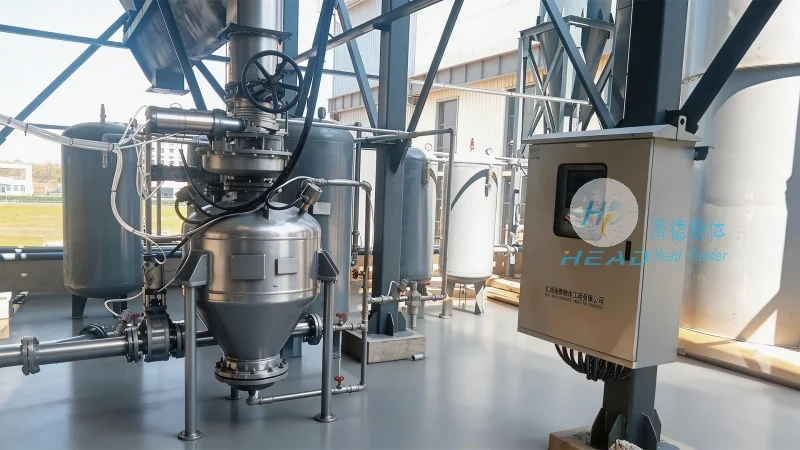
Overview of Coal Ash Conveying Systems
Coal ash conveying lines are engineered to handle the unique characteristics of coal ash, including its abrasive nature, varying particle sizes, and potential moisture content. The design of the system is tailored to the specific requirements of the coal ash, such as the volume to be transported, the distance, and the environmental conditions at the site. The systems are commonly used in power plants, industrial facilities, and waste management sites to ensure the safe and efficient transport of coal ash.
Key Components and Their Functions
The core components of a coal ash conveying line include the feed hopper, conveyor system, control mechanisms, and discharge unit. The feed hopper collects and stores the coal ash before it is transferred to the conveyor. It is equipped with a gate or valve to regulate the flow of material into the system. The conveyor itself, which can be a belt conveyor or a screw conveyor, is responsible for the actual transport of the coal ash. Belt conveyors are preferred for longer distances and larger volumes due to their high capacity and ability to handle heavy loads. Screw conveyors are ideal for shorter distances and when the material needs to be elevated or moved vertically.
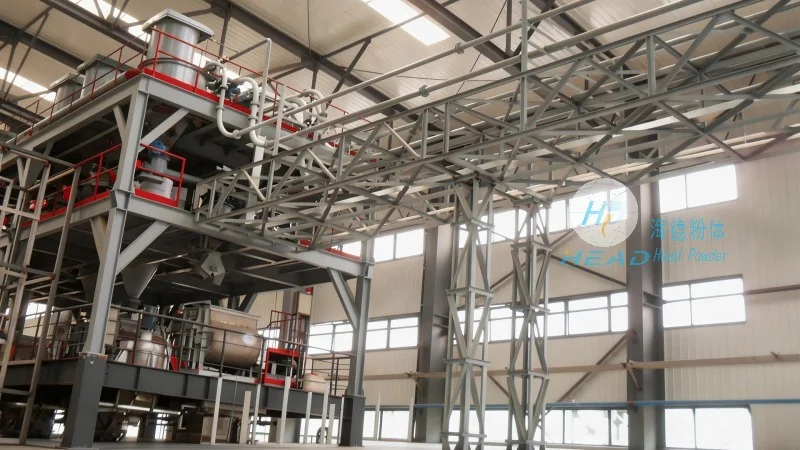
Control mechanisms are integrated into the system to monitor and adjust the flow rate, ensuring optimal efficiency. These controls may include sensors to detect the level of material in the hopper and adjust the feed rate accordingly, as well as safety switches to prevent overloading or blockages. The discharge unit at the end of the conveyor is designed to release the coal ash into a storage bin or directly to a processing facility. Proper sealing and dust control measures are incorporated to minimize environmental impact and ensure worker safety.
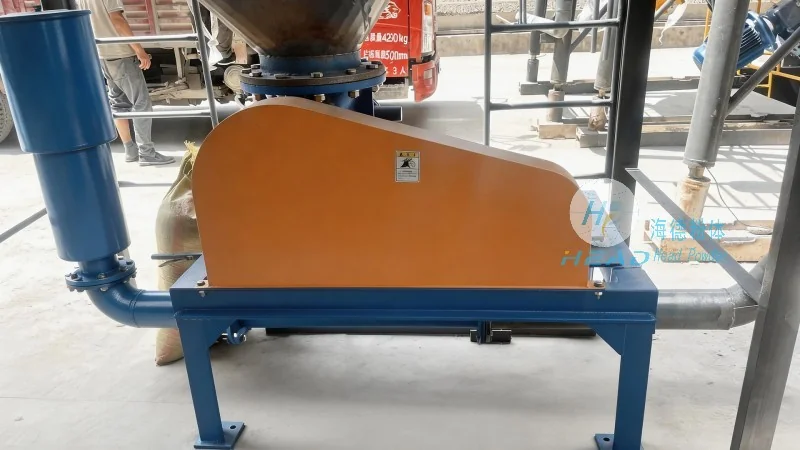
Operation Process of Coal Ash Conveying Lines
The operation process begins with the collection of coal ash from the source, such as a boiler or storage silo. The material is then transferred to the feed hopper through a chute or conveyor. The control system activates the conveyor, and the coal ash is moved along the specified path. As the material travels through the conveyor, it may encounter idlers or pulleys, which support the belt and ensure smooth movement. The speed of the conveyor is adjusted based on the volume and distance, with higher speeds used for longer distances to reduce transport time.
During operation, the system continuously monitors the flow to prevent blockages or overloading. If a blockage occurs, the control system stops the conveyor and alerts operators. Similarly, if the hopper level is low, the system adjusts the feed rate. The discharge unit then receives the coal ash, which is either stored or transported to a processing plant. The entire process is automated to minimize manual intervention and reduce accident risks.