

Operation Process and Working Principle of Bentonite Material Conveying Lines
For industrial applications, the efficient and reliable transportation of bentonite materials is crucial. The bentonite material conveying line, as a specialized system, plays a vital role in ensuring smooth material handling processes. This article provides an in-depth look at the operation process and working principle of such lines, highlighting key components and operational mechanisms. Developed by Shandong HeadPowder Engineering Co., Ltd. (headpowder), these systems are designed to meet the specific needs of various industries, ensuring optimal performance and reliability.
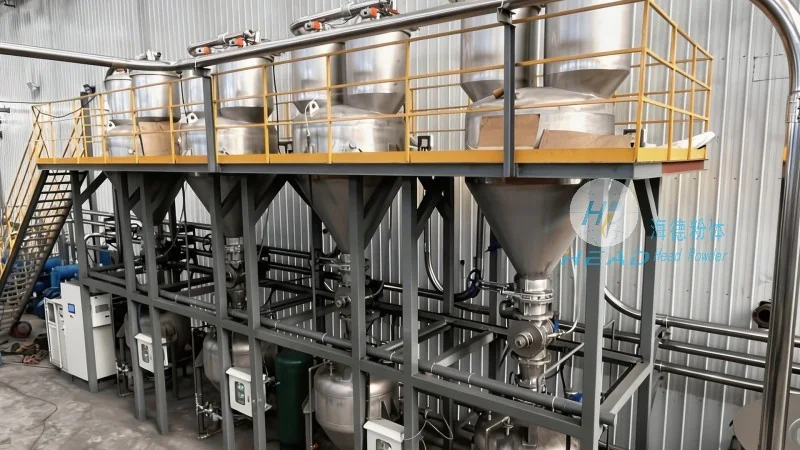
Key Components of Bentonite Material Conveying Systems
The bentonite material conveying line typically consists of several essential components that work in tandem to achieve effective material transport. These components include feeders, conveyors (such as belt conveyors or screw conveyors), control systems, and safety devices. Each component is designed to handle the unique characteristics of bentonite, including its fine particle size and potential for dust generation. The feeders are responsible for uniformly feeding the bentonite material into the conveyor system, ensuring consistent flow rates. The conveyors then transport the material through the system, while the control systems monitor and regulate the operation, maintaining optimal performance. Safety devices, such as dust suppression systems and emergency stop mechanisms, are integrated to protect both personnel and equipment from potential hazards.
Operation Process of Bentonite Material Conveying Lines
The operation of a bentonite material conveying line involves a series of sequential steps that ensure the material is transported from the source to the destination efficiently. The process begins with the loading of bentonite material into the feeding hopper. The feeder then regulates the flow of material, feeding it into the conveyor at a controlled rate. The conveyor transports the material through the system, possibly elevating or moving it horizontally depending on the design. At intermediate points, the material may be processed or transferred to other equipment. The control system continuously monitors parameters such as flow rate, pressure, and temperature, adjusting the operation as needed to maintain stability. The process concludes when the material reaches the discharge point, where it is collected and prepared for further use. Throughout the operation, the system ensures minimal material loss and optimal energy efficiency.
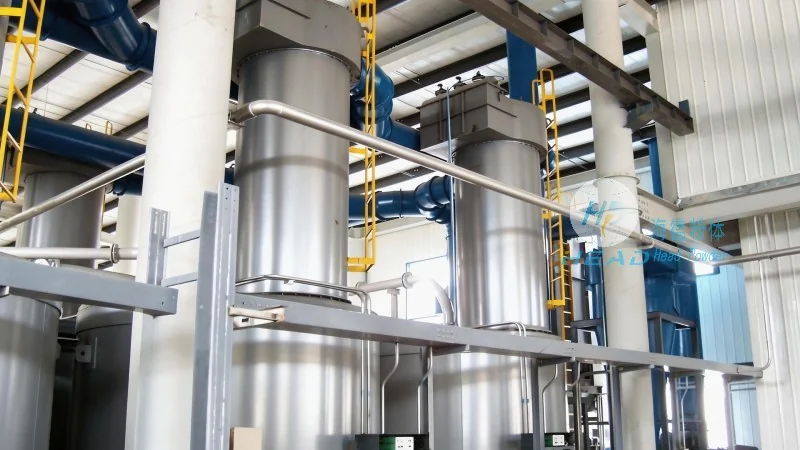
Working Principle of Bentonite Material Conveying Lines
The working principle of a bentonite material conveying line is based on mechanical energy transfer and material handling mechanisms. The system utilizes various forces, including gravity, friction, and mechanical drive, to move the bentonite material through the conveying line. For example, belt conveyors use a rotating drum and tension system to move the belt, which carries the material. Screw conveyors, on the other hand, use a rotating screw to push the material forward. The control system manages the speed and direction of the conveyors, ensuring that the material is transported at the correct velocity. The integration of sensors and feedback mechanisms allows for real-time monitoring and adjustment, enhancing the overall efficiency and reliability of the system. The design of the conveying line is tailored to the physical properties of bentonite, such as its density and flow characteristics, to minimize blockages and ensure smooth operation.
Benefits of Using Bentonite Material Conveying Lines
Implementing a bentonite material conveying line offers numerous benefits for industrial operations. These systems enhance productivity by reducing manual handling and increasing the speed of material transport. They also improve safety by minimizing human exposure to the material and associated hazards. Additionally, the automated control systems reduce the risk of errors and ensure consistent material quality. The efficient design of the conveying line minimizes energy consumption and operational costs, making it a cost-effective solution for long-term material handling needs. The reliability of these systems ensures consistent performance, even under varying load conditions, which is crucial for maintaining production schedules.
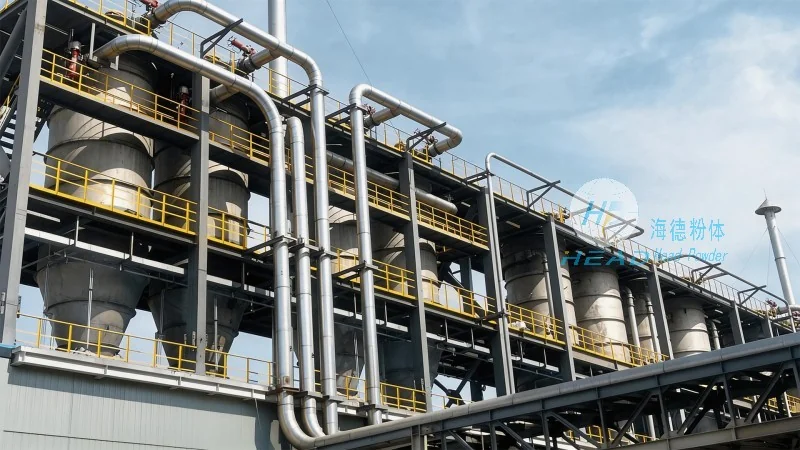
Applications and Industries Served by Bentonite Material Conveying Lines
Bentonite material conveying lines are widely used in various industries that rely on bentonite as a key raw material. These include the paper industry, where bentonite is used as a filler or coating; the foundry industry, which uses bentonite in casting processes; and the chemical industry, where bentonite is employed in filtration and adsorption applications. Each industry has specific requirements for material handling, and the conveying lines are customized to meet these needs. For example, in the paper industry, the conveying line may need to handle fine bentonite particles and ensure uniform distribution in the paper-making process. In the foundry industry, the system must be capable of handling larger volumes of bentonite and transporting it to molding equipment. The adaptability of the bentonite material conveying line makes it suitable for a wide range of applications, ensuring that industrial processes can be optimized for efficiency and effectiveness.
Maintenance and Operational Considerations for Bentonite Material Conveying Lines
Proper maintenance is essential to ensure the long-term performance and reliability of bentonite material conveying lines. Regular inspections and cleaning of components, such as conveyors and feeders, are necessary to prevent blockages and maintain optimal operation. The control systems should be checked regularly to ensure they are functioning correctly and providing accurate feedback. Lubrication of moving parts is also important to reduce wear and tear and extend the lifespan of the equipment. Additionally, the system should be monitored for signs of wear, such as increased vibration or noise, which may indicate the need for maintenance or replacement of parts. Proper training of operators on the operation and maintenance of the conveying line is crucial to prevent accidents and ensure efficient performance. By following these maintenance practices, industrial facilities can maximize the operational life of their bentonite material conveying lines and minimize downtime.