Shandong HeadPowder Engineering Co., Ltd., commonly referred to as headpowder, is a leading provider of advanced cement material conveying systems. Headquartered in Shandong, China, the company has built a strong reputation for delivering reliable, efficient, and durable solutions for the cement industry. The cement material conveying line is a critical infrastructure in cement production facilities, responsible for the seamless transport of raw materials, clinker, and other bulk substances. This system is essential for maintaining the smooth operation of cement plants, as it ensures that materials are moved from one processing stage to another with precision and minimal loss.
Working Principle of the Cement Material Conveying Line
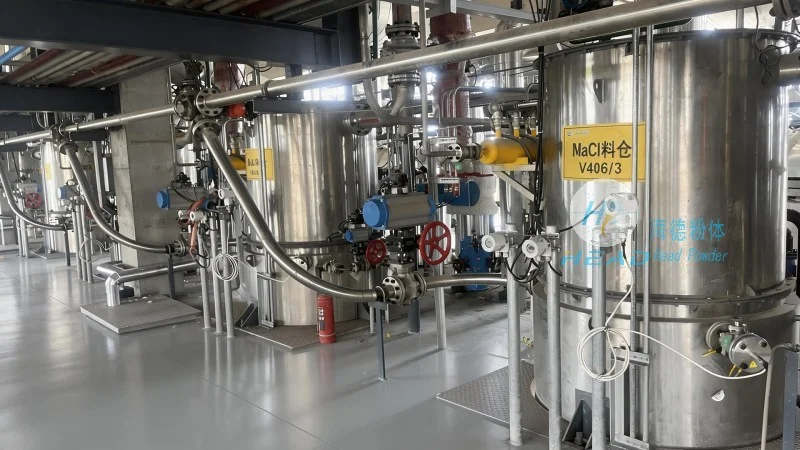
The working principle of a cement material conveying line is based on mechanical and control technologies that work in tandem to achieve continuous material transport. The system typically comprises several key components, including feeders, conveyors, and control panels. Feeders are used to regulate the initial flow of materials, ensuring a consistent and controlled input to the conveying system. These feeders may be hoppers, rotary valves, or other devices designed to handle different material types and sizes. The conveyors, which can be belt conveyors, screw conveyors, or pneumatic systems, are responsible for transporting the materials through the system. Belt conveyors are commonly used for bulk materials due to their high capacity and ability to handle heavy loads over long distances. Screw conveyors are ideal for fine powders or granular materials, as they provide gentle and controlled movement. Pneumatic conveyors use air pressure to move materials, which is suitable for dusty or hazardous materials. The control panel, equipped with sensors and monitoring devices, oversees the entire operation, adjusting parameters such as speed, pressure, and flow rate to maintain optimal performance. This integrated control system ensures that the conveying line operates efficiently, preventing issues like blockages, overloading, or material degradation.
Operation Process of the Cement Material Conveying Line
The operation process of a cement material conveying line involves a series of coordinated steps that ensure the system runs smoothly and continuously. The process begins with the preparation of raw materials, which are fed into the system through feeders. These feeders regulate the flow rate, preventing excess material from entering the conveyor and causing blockages. The materials then enter the primary conveyor, which transports them to intermediate storage or processing units. The system may include multiple conveyors connected in series, allowing for vertical and horizontal movement as required. For example, a belt conveyor may lift materials vertically to a higher elevation, followed by a horizontal conveyor to transport them to a storage silo. At each stage, sensors monitor the material level, flow rate, and pressure, providing real-time data to the control panel. The control panel adjusts the conveyor speed or feed rate based on these readings, ensuring that the system operates at its peak efficiency. Operators can also intervene manually if necessary, adjusting settings to address any issues that arise. This combination of automated control and manual oversight ensures that the conveying line operates reliably, minimizing downtime and maximizing productivity. The process concludes when the materials reach their final destination, such as a storage silo or a processing unit, where they are prepared for the next stage of cement production.
Key Components and Their Functions
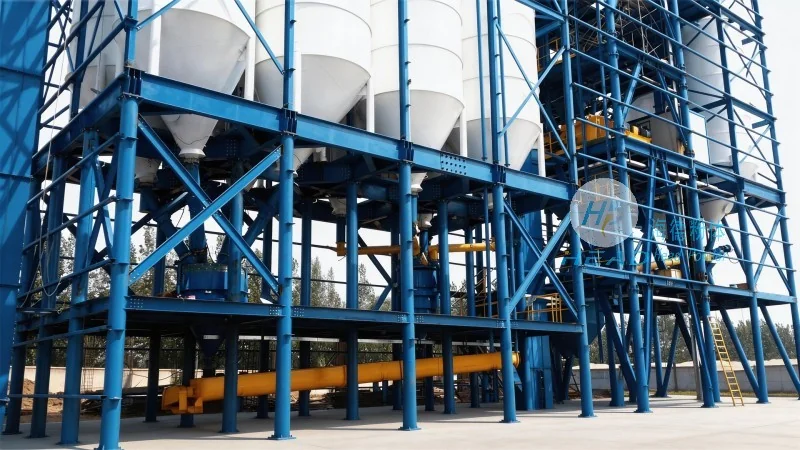
Several key components make up a cement material conveying line, each with a specific function to ensure the system operates effectively. The feeders are the first component, responsible for regulating the initial flow of materials. They ensure that the material is fed at a consistent rate, preventing overloading or underfeeding of the conveyor. The conveyors are the core of the system, responsible for transporting the materials through the process. Belt conveyors are commonly used for bulk materials due to their high capacity and ability to handle heavy loads. Screw conveyors are ideal for fine powders or granular materials, as they provide gentle and controlled movement. Pneumatic conveyors use air pressure to move materials, which is suitable for dusty or hazardous materials. The control panel is another critical component, equipped with sensors and monitoring devices that oversee the entire operation. It adjusts parameters such as speed, pressure, and flow rate to maintain optimal performance. The sensors monitor the material level, flow rate, and pressure, providing real-time data to the control panel. The control panel uses this data to make adjustments, ensuring that the system operates efficiently. The system may also include intermediate storage units, such as silos or hoppers, which temporarily store materials before they are transported to the next stage. These storage units help to regulate the flow of materials and prevent bottlenecks in the process. The control panel manages the operation of these storage units as well, ensuring that they are filled and emptied as needed. Overall, each component works together to ensure the smooth and efficient operation of the cement material conveying line.
Advantages of Using a Cement Material Conveying Line
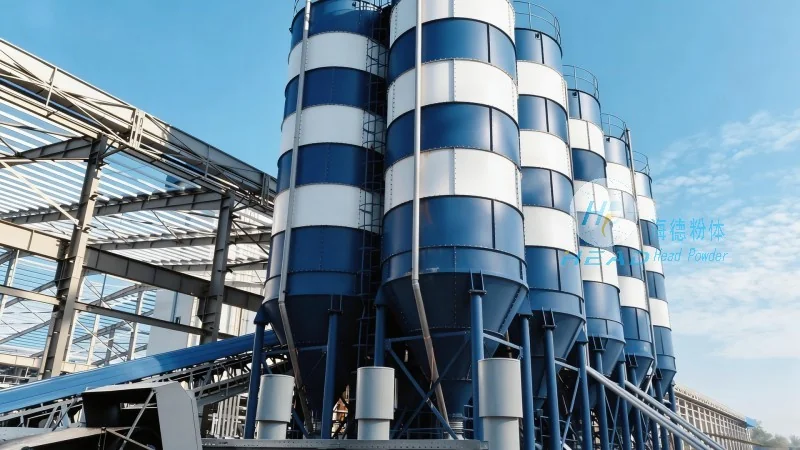
Implementing a cement material conveying line offers several advantages for cement production facilities. First, it improves efficiency by ensuring that materials are transported continuously and without interruption. This reduces downtime and increases overall productivity. The system also minimizes material loss, as it uses enclosed conveyors and controlled flow rates to prevent spillage or degradation. This is particularly important for fine powders, which can be easily lost or contaminated if not handled properly. The system also enhances safety by reducing the need for manual handling of bulk materials. Manual handling of heavy or dusty materials can be hazardous, and the conveying line eliminates this risk by automating the process. Additionally, the system provides better control over the material flow, allowing operators to adjust settings as needed to optimize performance. This flexibility is crucial for adapting to changes in production demand or material types. The system also reduces energy consumption by using efficient conveyors and control systems. Belt conveyors, for example, are energy-efficient and can transport large volumes of material with minimal power consumption. The control panel optimizes the system's operation, ensuring that energy is used only when necessary. Overall, the cement material conveying line is a cost-effective and efficient solution for cement production facilities, offering improved productivity, safety, and control.
Conclusion
In conclusion, the cement material conveying line is a critical component in cement production facilities, responsible for the efficient and reliable transport of raw materials and other bulk substances. Shandong HeadPowder Engineering Co., Ltd. specializes in designing and manufacturing advanced conveying systems that meet the needs of modern cement plants. The operation of the conveying line is based on a combination of mechanical and control technologies, ensuring smooth and continuous material transport. The system includes key components such as feeders, conveyors, and control panels, each working together to achieve optimal performance. The advantages of using a cement material conveying line include improved efficiency, reduced material loss, enhanced safety, and better control over the material flow. By implementing such a system, cement production facilities can increase productivity, reduce costs, and improve overall operational performance. Headpowder, with its headquarters in Shandong, China, is committed to providing high-quality conveying solutions that help cement plants achieve their production goals efficiently and reliably.




