

Operation Process and Working Principle of Water Glass Material Conveying
Water glass, also known as sodium silicate, is a widely used industrial chemical in various sectors including construction, glass manufacturing, and water treatment. The efficient and reliable conveyance of water glass materials is crucial for maintaining production efficiency and ensuring product quality. This article provides a detailed overview of the operation process and working principle of water glass material conveying systems, highlighting the expertise of Shandong HeadPowder Engineering Co., Ltd. as a leading provider in the field.
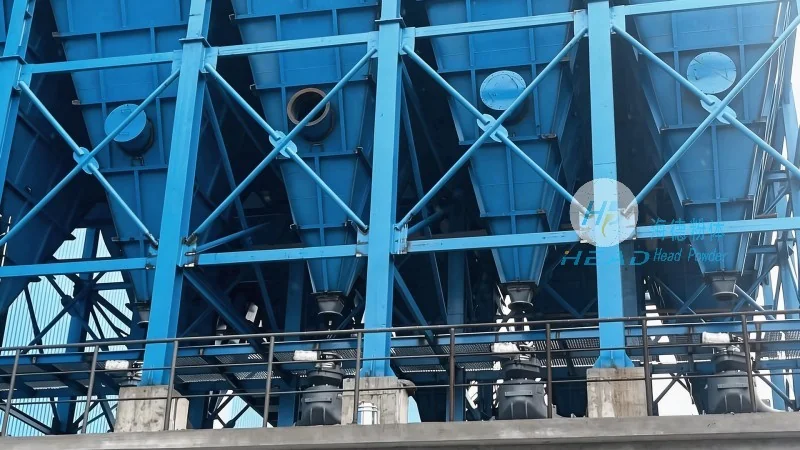
Company Introduction: HeadPowder
Shandong HeadPowder Engineering Co., Ltd., commonly known as HeadPowder, is a professional enterprise based in Shandong, China. With years of experience in the design, manufacturing, and installation of material handling equipment, HeadPowder specializes in customized solutions for diverse industrial applications. The company's commitment to quality and innovation has established it as a trusted partner for clients seeking reliable water glass conveying systems.
The Operation Process of Water Glass Material Conveying
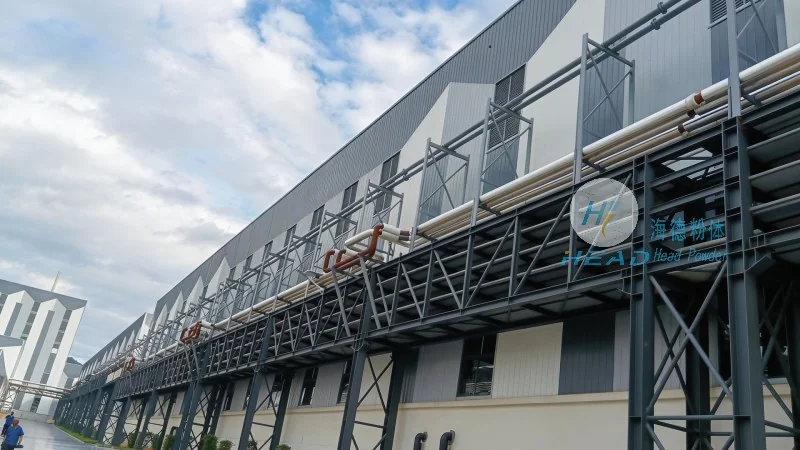
The operation process of water glass material conveying typically involves several key steps to ensure smooth and efficient material transport. The process begins with the loading of water glass from storage silos or bulk containers into the conveying equipment. This is often achieved through a hopper or feeder that controls the flow rate of the material. Once loaded, the water glass is transported through a pipeline system, which may include vertical or horizontal sections depending on the layout of the facility. The conveying system utilizes appropriate mechanisms such as screw conveyors, pneumatic systems, or belt conveyors to move the material from the loading point to the discharge point. At the discharge end, the water glass is released into a storage tank or directly into the next production stage. Throughout the process, monitoring systems are employed to track the flow rate, pressure, and temperature, ensuring optimal performance and preventing any potential issues.
The Working Principle of Water Glass Material Conveying Systems
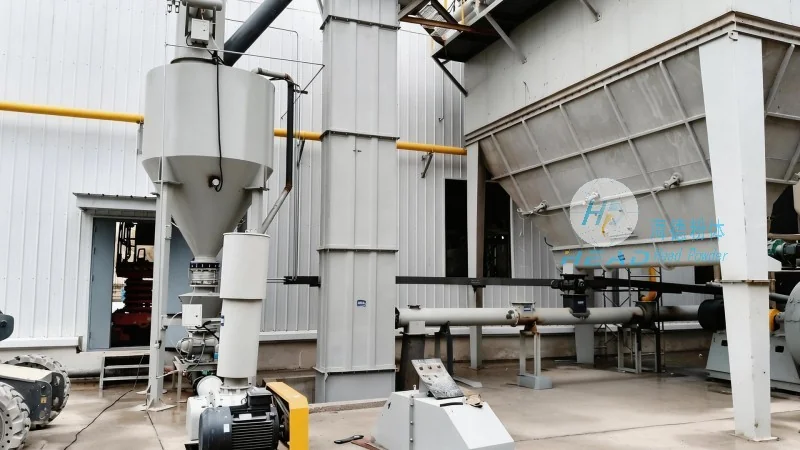
The working principle of water glass material conveying systems is based on the application of mechanical or pneumatic forces to move the material through the conveying pipeline. For mechanical systems like screw conveyors, the rotating screw (or auger) creates a continuous movement that pushes the material forward. The screw's design, including its pitch and diameter, is tailored to handle the specific characteristics of water glass, such as its viscosity and particle size. In pneumatic conveying systems, compressed air is used to create a flow that transports the material in a slurry or dry form. The system typically includes a blower, a hopper, and a pipeline with appropriate fittings to ensure the material is conveyed efficiently. The working principle also involves controlling the air pressure and flow rate to maintain consistent material transport and prevent blockages or degradation of the material.
Key Considerations for Water Glass Conveying
When designing and operating water glass conveying systems, several factors must be considered to ensure optimal performance and longevity. First, the physical properties of water glass, such as its density, viscosity, and moisture content, must be taken into account. These properties affect the choice of conveying equipment and the design of the pipeline system. Second, the material's chemical stability is crucial, as water glass can react with certain metals or components in the conveying system, leading to corrosion or degradation. Therefore, materials like stainless steel or specialized coatings are often used for the construction of the equipment. Third, the system must be equipped with proper sealing and filtration to prevent dust emissions and maintain a clean environment. Additionally, regular maintenance and inspection are essential to identify and address any issues before they escalate, ensuring the system operates efficiently over the long term.
Conclusion
Efficient water glass material conveying is a critical component of industrial operations, and the expertise of companies like Shandong HeadPowder Engineering Co., Ltd. plays a vital role in ensuring the smooth and reliable transport of this essential material. By understanding the operation process and working principle of water glass conveying systems, industries can optimize their production processes, reduce downtime, and enhance overall productivity. HeadPowder's commitment to quality and innovation continues to provide clients with reliable solutions tailored to their specific needs, supporting the advancement of industrial applications that rely on water glass.