

Operation Process and Working Principle of Edible Salt Material Conveying
HeadPowder, a leading engineering company based in Shandong, China, specializes in the design, manufacturing, and installation of advanced material handling systems. The company's expertise lies in providing efficient and reliable solutions for the transportation of bulk materials, including edible salt, in various industrial applications. This article delves into the operational process and working principles of edible salt material conveying systems, highlighting the key components, mechanisms, and benefits of such systems.
Company Overview
Shandong HeadPowder Engineering Co., Ltd. is a reputable enterprise dedicated to the development of innovative material handling technologies. With a strong focus on quality and customer satisfaction, the company has established itself as a trusted partner in the industry. HeadPowder's team of experienced engineers and technicians ensures that each project is tailored to meet specific client requirements, delivering solutions that enhance productivity and safety in material handling operations.
Introduction to Edible Salt Material Conveying Systems
Edible salt, a vital ingredient in food processing and industrial applications, requires efficient and hygienic transportation to maintain its quality and purity. Conveying systems designed for edible salt must adhere to strict standards to prevent contamination and ensure consistent flow. These systems typically involve a combination of equipment such as feeders, conveyors, and storage tanks, all working in harmony to achieve seamless material movement. The primary goal of edible salt material conveying is to minimize downtime, reduce labor costs, and improve overall operational efficiency.
Key Components of the Conveying System
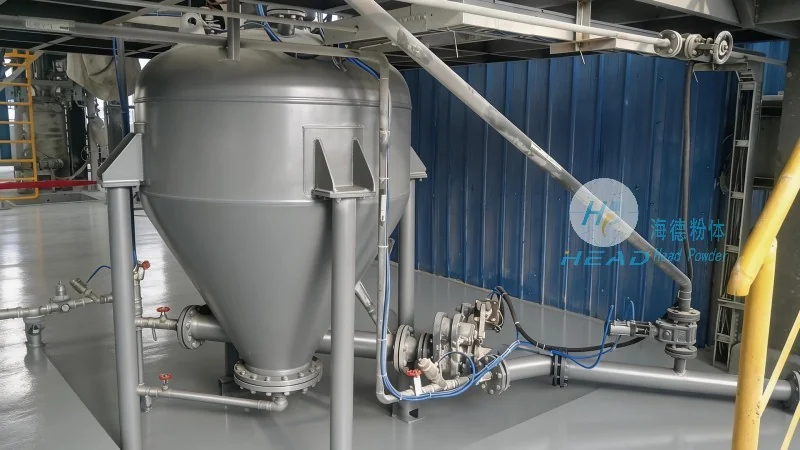
The edible salt material conveying system consists of several critical components that work together to facilitate the smooth transport of the material. The first component is the feed hopper, which serves as the initial storage and feeding unit. This hopper is designed to hold a sufficient quantity of edible salt and regulate the flow rate into the subsequent conveying equipment. The feed hopper is equipped with a level indicator and a discharge valve to control the material release, ensuring a steady supply to the conveyor.
The second key component is the conveyor itself, which can be either a belt conveyor or a screw conveyor, depending on the specific application and material characteristics. For edible salt, a belt conveyor is often preferred due to its ability to handle dry, free-flowing materials without causing excessive friction or damage. The conveyor belt is made from food-grade materials, such as polyurethane or rubber, which are resistant to corrosion and easy to clean. The belt is supported by rollers and guided by idlers to maintain proper alignment and prevent slippage.
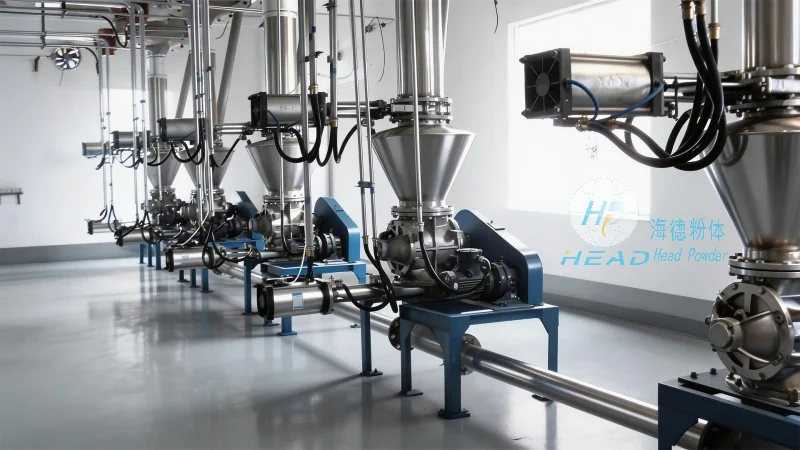
The third component is the drive system, which provides the necessary power to move the conveyor belt or screw. This system typically includes a motor, gearbox, and control panel. The motor converts electrical energy into mechanical energy, which is then transmitted to the conveyor via the gearbox. The control panel allows operators to adjust the speed and direction of the conveyor, ensuring precise control over the material flow. Additionally, the drive system may include safety features such as emergency stop buttons and overload protection to prevent equipment damage and ensure operator safety.
Operation Process of the Conveying System
The operation of an edible salt material conveying system involves a series of steps that ensure the material is transported from the storage area to the processing or packaging unit. The process begins with the loading of edible salt into the feed hopper. The hopper is filled to a predetermined level, and the discharge valve is opened to allow the material to flow into the conveyor. The conveyor then transports the edible salt to the next stage of the process, such as a storage silo or a packaging machine.
During the conveying process, the system continuously monitors the material flow rate and level in the hopper. If the hopper level drops below a certain threshold, the discharge valve is automatically closed, and the conveyor stops to prevent emptying. Conversely, if the hopper becomes too full, the system triggers an alarm to alert operators to adjust the feed rate. This feedback mechanism ensures that the conveyor operates at an optimal speed, minimizing energy consumption and maximizing efficiency.
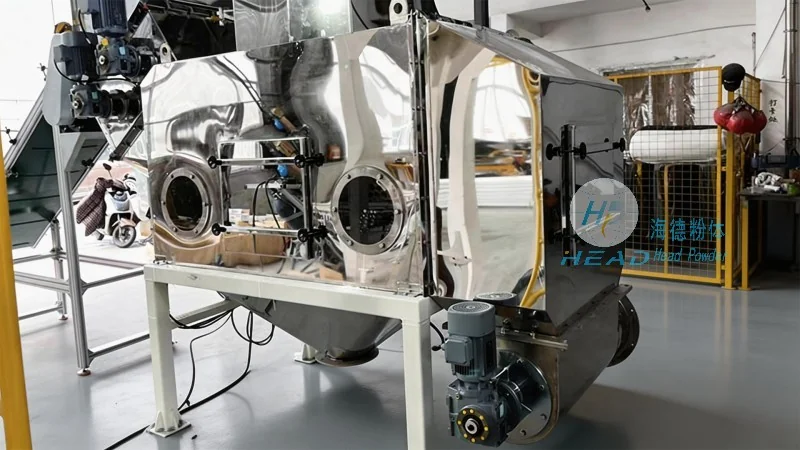
The edible salt is then transferred to the next stage of the process, where it may be further processed or packaged. The conveying system may include additional components such as a screening or sorting unit to remove impurities or oversized particles. These units are integrated into the system to ensure that only high-quality edible salt is transported to the final destination.
Working Principle of the Conveying System
The working principle of an edible salt material conveying system is based on the mechanical movement of the conveyor belt or screw, which transports the material from one point to another. The conveyor belt system operates by rotating the belt, which moves the edible salt along the length of the conveyor. The speed of the belt is controlled by the drive system, which adjusts the motor speed to achieve the desired flow rate. The screw conveyor system, on the other hand, uses a rotating screw to push the material forward. The screw's pitch and diameter determine the conveying capacity and the pressure exerted on the material.
The system's control panel plays a crucial role in regulating the operation of the conveying equipment. It monitors various parameters such as speed, temperature, and pressure, and adjusts the system settings accordingly. For example, if the temperature of the edible salt rises above a safe limit, the system may reduce the conveyor speed or activate a cooling mechanism to prevent overheating. Similarly, if the pressure on the conveyor belt exceeds the allowable limit, the system may slow down the conveyor to avoid damage.
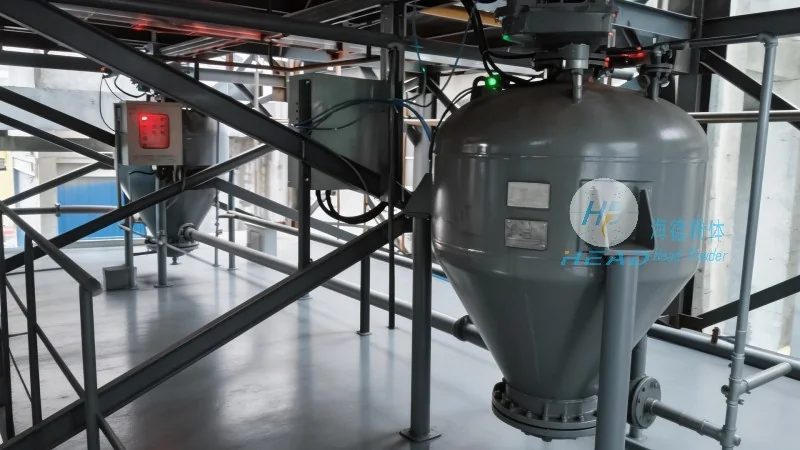
The edible salt material conveying system also incorporates safety features to protect both the equipment and the operators. These features include emergency stop buttons, which can be activated by operators in case of an emergency, and overload protection, which shuts down the system if the load exceeds the rated capacity. Additionally, the system may include a dust collection system to prevent the release of airborne particles, ensuring a clean and safe working environment.
Benefits and Applications of Edible Salt Material Conveying Systems
The implementation of edible salt material conveying systems offers numerous benefits to industrial operations. These systems enhance productivity by reducing manual labor and minimizing downtime. The automated process ensures consistent material flow, which improves the efficiency of downstream processes such as packaging and processing. Additionally, the hygienic design of the equipment prevents contamination, maintaining the quality and purity of the edible salt.
Edible salt material conveying systems are widely used in various industries, including food processing, chemical manufacturing, and pharmaceuticals. In the food industry, these systems are essential for transporting edible salt from storage to production lines, ensuring that the product meets the strict quality standards required by regulatory bodies. In chemical manufacturing, the systems are used to transport salt-based chemicals, which are used in the production of various products such as fertilizers and detergents. In the pharmaceutical industry, the systems are employed to transport salt-based raw materials, which are used in the formulation of medications and supplements.
HeadPowder's edible salt material conveying systems are designed to meet the specific needs of each application. The company's engineers work closely with clients to understand their requirements and develop customized solutions that optimize performance and efficiency. By leveraging advanced technology and rigorous quality control, HeadPowder ensures that its conveying systems are reliable, durable, and cost-effective, providing long-term value to its clients.